In today’s fast-paced world, educators are continually seeking innovative ways to engage students and enhance their learning experiences.
One powerful approach that has gained traction in classrooms is the use of visual aids.
These tools not only capture attention but also make complex concepts more accessible and relatable.
As we explore the world of visual aids designed for class activities, we will uncover how they can transform a standard lesson into an enriching and memorable experience.
The essence of visual aids lies in their ability to bridge the gap between theory and practice. Imagine a science class discussing the intricate workings of the human body. Instead of relying solely on textbooks, a teacher might incorporate colorful diagrams or 3D models. These visuals can spark curiosity and foster a deeper understanding of the subject matter. When students can see and interact with the material, they are more likely to engage with it on a personal level.
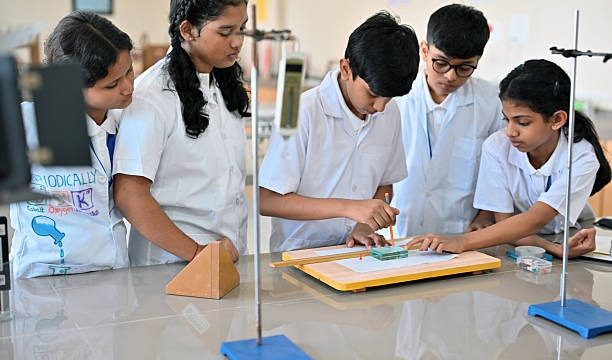
Incorporating visual aids into class activities also encourages collaborative learning. Group projects that involve creating posters, infographics, or presentations allow students to work together and share their ideas. This collaborative effort not only enhances their understanding of the topic but also builds essential social skills. The process of discussing and debating their thoughts while creating something visual can lead to a richer, more nuanced comprehension of the material.
Another aspect worth considering is the diversity of learning styles present in any classroom. Some students may thrive on auditory instruction, while others may find visual representation more beneficial. By integrating different types of visual aids, educators can cater to a wider array of learning preferences. Charts, videos, and images can complement verbal explanations, ensuring that all students have the opportunity to grasp the lesson fully. This inclusivity can foster a sense of belonging, allowing every student to feel valued and understood.
As we delve deeper into the types of visual aids available, we discover a world of creativity waiting to be explored. Simple tools like posters and flashcards can be incredibly effective in reinforcing vocabulary or key concepts. They serve as constant reminders of what has been learned, allowing students to revisit the material at their own pace. Meanwhile, interactive whiteboards and digital presentations can bring lessons to life, enabling educators to incorporate multimedia elements that captivate students’ attention.
Technology has opened up new avenues for visual aids, making it easier than ever to create engaging content. With a plethora of apps and software available, teachers can design custom visuals that align perfectly with their lesson plans. For example, a history teacher might use timeline software to help students visualize historical events in chronological order. This not only aids retention but also fosters a sense of connection to the past.
A gentle reminder of the role of art in education is also essential. Incorporating artistic elements into visual aids can enhance their appeal and impact. When students create illustrations or engage in creative projects, they tap into their imagination and express themselves in unique ways. This artistic engagement can make the learning process feel more personal and enjoyable, reinforcing the connection between the material and their own lives.
As we think about the implementation of visual aids, it’s important to consider the environment in which learning takes place. A well-organized classroom with visual elements displayed prominently can create an inviting atmosphere that encourages exploration. Colorful charts, student-created artwork, and educational posters can stimulate curiosity and dialogue. When students enter a space that feels alive with learning, they are more likely to embrace the educational journey ahead.
The impact of visual aids extends beyond the classroom walls. When students are encouraged to share their projects and findings with their peers, they develop communication skills that will serve them well in the future. Presenting their work not only reinforces their understanding but also builds confidence. This practice of sharing knowledge helps cultivate a community of learners who support and uplift one another.
As we navigate the complexities of modern education, it’s clear that visual aids play a vital role in enhancing the learning experience. They serve as a bridge to understanding, a tool for collaboration, and a means of fostering creativity. By embracing these resources, educators can create a dynamic and inclusive environment where every student has the opportunity to thrive.
In conclusion, the integration of visual aids into class activities is not merely a trend; it is a thoughtful approach to education that recognizes the diverse needs of students. By nurturing curiosity, encouraging collaboration, and promoting creativity, visual aids can transform the learning experience into something truly remarkable. As we continue to explore innovative teaching methods, let us remember the power of visuals to illuminate the path of knowledge for our students. Together, we can create a vibrant educational landscape that inspires and empowers the next generation.