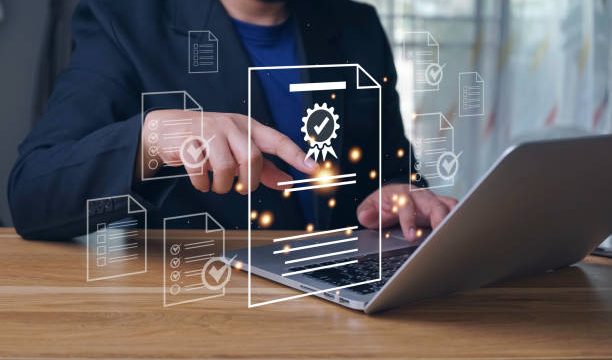
In today’s fast-paced world, the importance of digital competence cannot be overstated.
As we navigate our daily lives, we find ourselves immersed in a landscape shaped by technology.
From social media interactions to online shopping and virtual meetings, our lives are intricately woven into the digital fabric.
This makes developing digital skills not just beneficial, but essential for lifelong learning and personal growth.
A gentle embrace of technology
Digital competence encompasses a range of skills that allow us to effectively navigate digital environments. It’s more than just knowing how to use a smartphone or send an email; it involves understanding how technology can enhance our learning, communication, and even our creativity. Embracing these skills can lead to a more enriched life, filled with opportunities for personal and professional development.
Imagine waking up in the morning, sipping your favorite tea, and scrolling through an online course about a topic you’ve always wanted to explore. Perhaps it’s photography, coding, or even sustainable living. With just a few clicks, you can access a world of knowledge that was once reserved for classrooms. This is the beauty of being digitally competent; it opens doors to learning that is flexible and tailored to your interests.
The art of self-directed learning
One of the most empowering aspects of digital competence is the ability to engage in self-directed learning. In a world where information is at our fingertips, we have the power to choose what we want to learn and how we want to learn it. This autonomy encourages curiosity and fosters a lifelong love for learning.
Consider how online platforms provide a vast array of resources. From webinars to podcasts, eBooks to video tutorials, the options are endless. By developing digital skills, you can curate your own learning journey, exploring subjects that resonate with you. This self-directed approach not only boosts your knowledge but also enhances your confidence in navigating new challenges.
Creating connections in a virtual space
Another vital aspect of digital competence is the ability to connect with others. In our increasingly digital world, networking has transformed. Social media platforms, professional networks, and online communities allow us to connect with like-minded individuals across the globe. These connections can lead to collaborations, mentorships, and friendships that enrich our personal and professional lives.
The beauty of these virtual connections lies in their diversity. Engaging with people from different backgrounds and cultures broadens our perspectives and encourages empathy. As we share ideas and experiences, we cultivate a sense of belonging in an ever-expanding digital community. This not only enhances our learning but also contributes to our overall well-being.
Finding balance in a digital world
While the benefits of digital competence are clear, it’s essential to find balance in our technology use. With constant notifications and the allure of endless scrolling, it’s easy to feel overwhelmed. Being digitally competent means not only knowing how to use technology but also understanding when to unplug and take a step back.
Creating a healthy relationship with technology involves setting boundaries. Perhaps you designate certain hours for work and learning, reserving time for self-care and offline activities. This balance allows you to enjoy the benefits of digital competence while also nurturing your mental and emotional well-being.
The role of adaptability
As technology continues to evolve, so too must our skills. Being digitally competent means being adaptable, ready to embrace new tools and platforms as they emerge. This adaptability is crucial in a world where change is the only constant. By cultivating a mindset of flexibility, you can approach new technologies with curiosity rather than fear.
Think of it as an adventure. Each new tool you encounter is an opportunity to learn and grow. Whether it’s a new app that streamlines your workflow or a platform that offers innovative ways to connect with others, being open to change can enhance your digital competence and enrich your life.
Incorporating digital skills into daily life
Developing digital competence doesn’t have to be a daunting task. It can be woven seamlessly into your daily routine. Start by identifying areas where you would like to improve. Perhaps you want to enhance your social media presence for professional purposes or learn how to create engaging content for your blog.
Taking small steps can lead to significant progress. Set aside a few minutes each day to explore tutorials or engage with online communities. As you build your skills, you may find that your confidence grows, inspiring you to tackle more complex challenges.
Celebrating progress and growth
As you embark on your journey toward digital competence, take the time to celebrate your achievements, no matter how small. Each new skill you acquire is a step toward a more fulfilling life. Reflect on how far you’ve come and acknowledge the effort it takes to learn and grow.
Remember, the path to digital competence is not a race. It’s a personal journey that unfolds at your own pace. Embrace the ups and downs, and allow yourself the grace to learn from mistakes. This mindset will not only enhance your digital skills but also enrich your overall experience of lifelong learning.
In conclusion, digital competence is a vital component of personal and professional development in today’s world. By embracing technology, engaging in self-directed learning, fostering connections, and finding balance, you can cultivate a rich tapestry of knowledge and skills. As you navigate this journey, remember to celebrate your progress and remain adaptable to the changes ahead. In doing so, you will not only enhance your digital competence but also create a fulfilling and enriched life that embraces the beauty of lifelong learning.