As students navigate the winding paths of their academic journeys, building confidence in the classroom becomes a cornerstone of their success.
The right study skills can transform not just performance but also the way students view themselves and their abilities.
By adopting a few thoughtful techniques and embracing a positive mindset, students can cultivate a sense of self-assurance that enhances their learning experience.
One of the most effective ways to foster confidence is through organization. When students have a clear structure in place for their study habits, they often feel more in control. This sense of control can alleviate feelings of anxiety that may arise when faced with assignments or exams. Creating a dedicated study space, free from distractions, is a wonderful starting point. This space can be adorned with personal touches—a favorite quote, a plant, or a cozy blanket—to make it feel inviting and conducive to learning.
Establishing a study schedule can also help students manage their time effectively. By breaking tasks into manageable chunks and setting specific goals for each study session, students can celebrate small victories along the way. This incremental approach not only enhances comprehension but also reinforces the belief that they can tackle challenges piece by piece. When students see their progress, no matter how small, it can spark a sense of accomplishment that fuels their motivation.
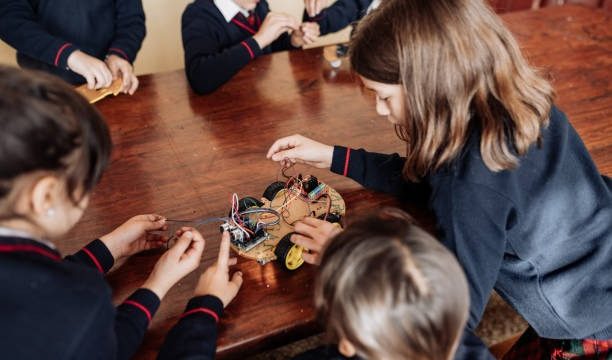
A gentle yet powerful shift toward active learning can also bolster confidence. Instead of passively reading or highlighting texts, engaging with the material through discussions, teaching concepts to a peer, or applying knowledge in practical scenarios can deepen understanding. This active participation transforms the learning experience from a solitary endeavor into a collaborative one, where students can find support and encouragement from their peers. Sharing ideas and perspectives fosters a sense of belonging and reinforces the notion that everyone has unique contributions to make.
In the realm of study skills, self-reflection plays a crucial role. Taking time to assess what study methods work best for individual learning styles can lead to more effective results. Students might find that they retain information better through visual aids, while others may prefer auditory learning. By experimenting with different techniques, students can discover their strengths and preferences. This journey of self-discovery not only enhances academic performance but also nurtures a sense of identity and confidence in their unique abilities.
Another key aspect of building confidence in the classroom lies in embracing mistakes as part of the learning process. Often, fear of failure can hinder students from fully engaging with their studies. However, when students learn to view mistakes as opportunities for growth, they can approach challenges with a more positive mindset. Celebrating errors as stepping stones rather than setbacks encourages resilience and fosters a willingness to take risks. This shift in perspective can be liberating, allowing students to explore new ideas and concepts without the weight of perfectionism.
Incorporating mindfulness techniques into study routines can also contribute to a more confident classroom experience. Mindfulness encourages students to stay present and focused, which can be particularly helpful during stressful periods. Simple practices such as deep breathing exercises or short meditation sessions can ground students, allowing them to clear their minds before diving into their studies. By cultivating a calm and centered state of mind, students can approach their work with clarity and confidence.
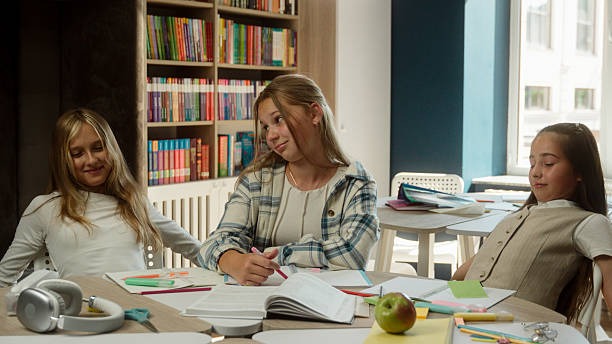
While academic success is often measured by grades, it’s essential to remember that confidence encompasses more than just performance. Developing strong interpersonal skills can also play a significant role in a student’s self-assurance. Engaging in group projects, participating in class discussions, and forming study groups can help students build relationships and develop communication skills. These interactions not only provide valuable support but also create a sense of community, reinforcing the idea that they are not alone on their academic journey.
Encouraging a growth mindset can also be transformative. When students understand that intelligence and ability can be developed through effort and persistence, they are more likely to embrace challenges and remain resilient in the face of obstacles. This mindset shift fosters a love for learning that extends beyond the classroom, empowering students to pursue their passions with confidence. Encouraging them to set personal goals, reflect on their achievements, and recognize their progress can further solidify this mindset.
As students become more confident in their study skills, they may find themselves more willing to seek help when needed. Understanding that asking for assistance is a strength rather than a weakness can be a game-changer. Whether it’s approaching a teacher for clarification or seeking support from friends, knowing that it’s okay to ask for help can alleviate feelings of isolation and promote a collaborative learning environment. This openness reinforces the idea that learning is a shared journey, where everyone can contribute and grow together.
Ultimately, the journey to building confidence in the classroom is a personal one, shaped by individual experiences and perspectives. By cultivating effective study skills, embracing a positive mindset, and fostering connections with peers, students can create a supportive and enriching learning environment. As they develop confidence in their abilities, they not only enhance their academic performance but also lay the foundation for a fulfilling and successful future.
In the end, it’s the small, consistent steps that lead to significant transformations. By nurturing a culture of self-acceptance and resilience, students can face their academic challenges with renewed vigor. The classroom becomes not just a place of learning but a space for growth, exploration, and self-discovery, where confidence flourishes and potential is realized.