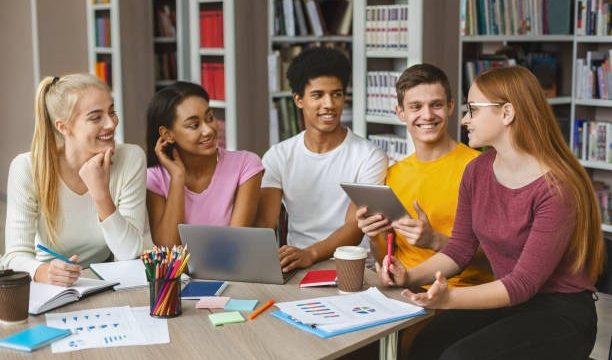
Developing Social Communication Skills in Autistic Students
In today’s interconnected world, the ability to communicate effectively is more important than ever. For autistic students, developing social communication skills can be both a journey and a challenge. This journey is unique for each individual and often requires patience, understanding, and creativity. It’s essential to approach this topic with warmth and an open heart, recognizing that each child has their own pace and style of learning.
The foundation of social communication is built on understanding and expressing thoughts, feelings, and ideas in a way that resonates with others. For autistic students, this can mean navigating a complex landscape of social cues, body language, and verbal communication. While the path may sometimes seem daunting, there are numerous gentle strategies that can help foster these essential skills in a supportive environment.
Creating a nurturing atmosphere is vital. It begins with recognizing that every interaction is an opportunity for learning. By providing a safe space where students feel comfortable expressing themselves, we allow them to explore the nuances of communication without fear of judgment. This environment can be cultivated at home, in the classroom, or even within the community. Encouraging open dialogue about emotions, preferences, and experiences can help establish trust and pave the way for deeper connections.
Engaging in role-playing can be a delightful way to practice social scenarios. By acting out various situations—such as meeting new friends, participating in group activities, or even navigating conflicts—students can gain valuable insights into social dynamics. Role-playing allows them to experiment with different responses and observe the reactions of others in a controlled setting. It’s a playful approach that can transform learning into a fun and memorable experience.
Storytelling also plays a significant role in enhancing social communication skills. Sharing stories—whether through books, films, or personal anecdotes—can help students understand different perspectives and emotional contexts. Discussing characters’ motivations and feelings can foster empathy and encourage students to think critically about their own interactions. This exploration of narratives provides a framework for understanding the complexities of social relationships, making it easier for students to navigate their own experiences.
Visual supports can be incredibly beneficial as well. Many autistic students respond positively to visual cues, which can help clarify abstract concepts and social norms. Picture schedules, social stories, or even simple diagrams illustrating social interactions can serve as valuable tools. These resources can offer students a clear roadmap for understanding expectations in various situations, reducing anxiety and helping them feel more prepared to engage with others.
Another gentle approach is to focus on shared interests. Finding common ground with peers can be a powerful catalyst for communication. When students engage in activities that genuinely excite them—be it art, science, or sports—social interactions often flow more naturally. Facilitating opportunities for students to connect over shared passions can inspire meaningful conversations and friendships, creating a sense of belonging that is so crucial for emotional well-being.
Encouraging mindfulness can also enhance social communication skills. By teaching students to be present in the moment, they can become more aware of their surroundings and the people within them. Mindfulness practices, such as deep breathing or simple meditation, can help students manage anxiety and focus on the nuances of social interactions. This increased awareness can empower them to respond more thoughtfully and engage more fully in conversations.
As we guide autistic students on their journey to develop social communication skills, it’s important to celebrate small victories. Progress may come in various forms, from initiating a conversation to expressing feelings more openly. Recognizing and acknowledging these achievements can boost confidence and motivate students to continue their efforts. Creating a positive reinforcement system, whether through praise, rewards, or simply heartfelt encouragement, can make a significant difference in their learning experience.
Collaboration with families and educators is another essential element of fostering social skills. By working together, we can create a consistent approach that reinforces learning across different environments. Families can share insights about their child’s preferences and challenges, while educators can provide strategies that have been effective in the classroom. This partnership can help create a holistic support system, ensuring that students feel understood and empowered both at home and in school.
As we navigate the complexities of communication, it’s crucial to approach each student as an individual with unique strengths and challenges. Patience is key; progress may be gradual, and that’s perfectly okay. Each step taken toward improving social communication skills is a step toward greater independence and confidence. By fostering an environment of understanding, creativity, and support, we can help autistic students thrive in their social interactions.
In conclusion, the journey of developing social communication skills in autistic students is a deeply personal and transformative experience. By creating a nurturing environment, utilizing imaginative strategies, and embracing collaboration, we can empower these students to express themselves and connect with others more fully. It’s about celebrating the little moments of connection and understanding that build a foundation for lasting relationships. With love, patience, and encouragement, we can help pave the way for a brighter, more connected future.