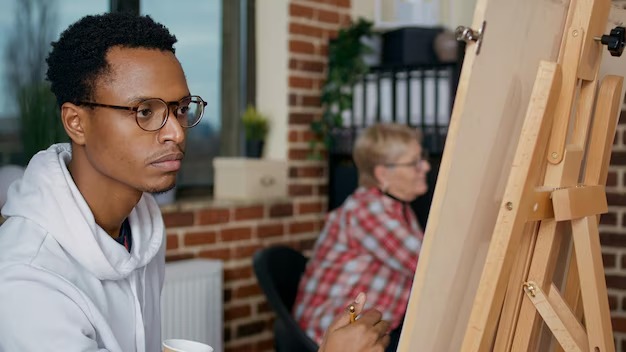
As students navigate their academic journeys, many find themselves drawn to creative fields, where passion and innovation can flourish.
Whether it’s graphic design, writing, film, or music, these industries often require a unique approach to showcasing one’s talents.
Crafting a resume that resonates with potential employers can be a daunting task, but with the right strategies, students can present themselves as compelling candidates.
Here are some gentle tips to help you create a resume that reflects your creativity and potential.
Embracing your uniqueness is vital in creative fields. Unlike traditional sectors, where a standard format might suffice, creative industries thrive on individuality. Your resume should not only list your experiences but also convey your personal brand. Consider using design elements that reflect your aesthetic sensibilities. If you’re a graphic design student, for instance, incorporating your design style into the resume layout can demonstrate your skills in a tangible way. Choose colors, fonts, and layouts that resonate with your artistic vision, but remember to keep it professional and readable. A well-crafted resume is not just a document; it’s a canvas to showcase your creativity.
When highlighting your experiences, think beyond conventional job roles. Internships, freelance projects, volunteer work, and even personal projects can be equally valuable. Each experience contributes to your portfolio and demonstrates your commitment to your craft. For students in creative fields, showcasing a diverse set of projects can be particularly impactful. Consider including a brief description of each role, focusing on the skills you developed and the outcomes of your contributions. This not only illustrates your capabilities but also tells a story about your journey as a creative professional.
Storytelling is at the heart of creativity, and your resume should reflect that narrative. Instead of simply listing experiences, weave them together to create a cohesive story about your growth. Perhaps you started with a passion project that led to an internship, which ultimately inspired your current pursuits. Sharing this journey can help potential employers connect with you on a personal level. Remember, they are not just looking for skills; they want to understand who you are as a creative individual.
In addition to your work experiences, it’s essential to highlight your skills. Creative fields often require a blend of technical and soft skills. For example, if you’re a filmmaker, proficiency in editing software is crucial, but so is the ability to work collaboratively. When listing skills, consider tailoring them to the specific role you are applying for. This targeted approach shows that you have taken the time to understand the job requirements and are genuinely interested in the position.
As you compile your experiences and skills, don’t overlook the importance of education. For many students, academic achievements are a significant part of their journey. Include relevant coursework, projects, and any honors or awards you’ve received. This not only showcases your academic background but also reinforces your commitment to developing your skills in your chosen field.
In creative industries, networking can be a powerful tool. While your resume is an important document, it’s equally crucial to build connections. Attend workshops, seminars, and networking events where you can meet professionals in your desired field. Engaging with others can lead to valuable insights and potential job opportunities. Don’t hesitate to reach out to mentors or industry professionals for advice on your resume and career path. Their experiences can provide guidance that helps you refine your approach.
As you prepare your resume, consider the role of online portfolios. In creative fields, a digital presence can complement your traditional resume. An online portfolio allows you to showcase your work visually, providing a platform for potential employers to see your style and capabilities. If you have a blog, a website, or a social media presence dedicated to your creative work, include links in your resume. This not only demonstrates your ability to navigate digital platforms but also emphasizes your commitment to your craft.
As you finalize your resume, the importance of clarity cannot be overstated. While creativity is essential, ensure that your resume is easy to read and navigate. Use clear headings and logical sections to guide the reader through your experiences. Avoid clutter and excessive information; instead, focus on the most relevant details that highlight your qualifications. A clean, well-organized resume can make a lasting impression.
Before sending out your resume, take the time to proofread and seek feedback. Spelling and grammatical errors can detract from your professionalism. Consider asking a trusted friend, mentor, or career advisor to review your resume. Their fresh perspective can help you catch any errors and provide constructive criticism to enhance your presentation.
As you embark on your journey in creative fields, remember that your resume is just one part of the equation. Authenticity and passion are your greatest assets. Allow your personality and creativity to shine through in every aspect of your applications. The right opportunity will come along when you present your true self to potential employers.
In the world of creativity, every detail matters. Your resume is not just a list of experiences; it’s an invitation for employers to explore your artistic journey. By embracing your uniqueness, weaving a cohesive narrative, and showcasing your skills, you can create a resume that stands out in a sea of applications. With a little patience and thoughtful preparation, you’ll be well on your way to finding exciting opportunities in the creative fields you love.