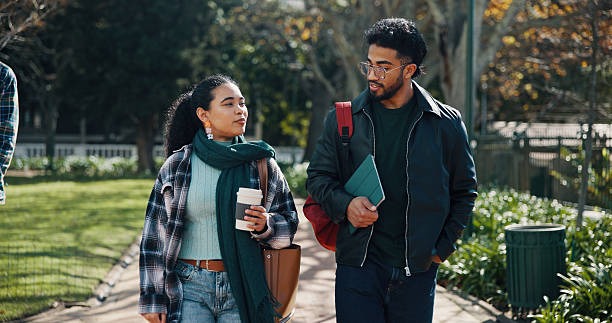
Building friendships can be a beautiful journey, but for students with autism, this path can often feel challenging. The nuances of social interaction may present hurdles that can leave young people feeling isolated or misunderstood. However, with patience, understanding, and creative strategies, we can help bridge the gap and foster meaningful connections.
Creating an environment that nurtures friendships begins with understanding the unique perspectives and experiences of students on the autism spectrum. Every individual is different, and recognizing their individuality is essential. Some may thrive in structured environments, while others might find themselves more comfortable in relaxed, open settings. Tailoring approaches to suit their preferences can make a world of difference.
A gentle way to start fostering friendships is through shared interests. Many students with autism have specific passions or hobbies that they enjoy. These interests can serve as a natural entry point for social interactions. For instance, if a student loves a particular video game, organizing a gaming session can be an excellent way to encourage socialization. When students engage in activities they are passionate about, they are often more relaxed and willing to interact with peers.
Encouraging participation in group activities is another valuable strategy. Schools often offer clubs or extracurricular activities that can provide a supportive space for students to meet peers with similar interests. Whether it’s an art club, a science team, or a sports group, these environments often foster camaraderie. It’s important to ensure that the activities are inclusive and welcoming, allowing everyone to shine in their own way.
As friendships begin to blossom, it’s helpful to emphasize the importance of communication. Students with autism may sometimes struggle with understanding social cues or expressing their thoughts. Encouraging open dialogue can help demystify social interactions. Practicing conversation skills in a safe, low-pressure environment can empower students to feel more confident when interacting with others. Role-playing different scenarios can be a fun and effective way to prepare for real-life situations.
Building friendships also involves learning how to navigate conflicts or misunderstandings. It’s essential for students to understand that disagreements can happen in any relationship. Teaching conflict resolution skills can be invaluable. Discussing the importance of empathy, active listening, and compromise can equip students with the tools they need to handle challenges when they arise.
Another gentle approach to fostering friendships is through peer mentoring programs. Pairing students with autism with empathetic peers can create a supportive dynamic. These mentors can help guide social interactions, offer encouragement, and model positive behaviors. This relationship can be mutually beneficial, as mentors also learn valuable lessons about empathy and understanding.
Creating a sense of belonging is vital for any student, especially those with autism. Schools and communities can work together to promote inclusivity. Organizing events that celebrate diversity, such as cultural fairs or awareness days, can foster an environment where everyone feels valued. Highlighting the strengths and talents of each student can help build self-esteem and encourage friendships to flourish.
In addition to school-based initiatives, families play a crucial role in supporting social development. Encouraging playdates or small gatherings can help students practice their social skills in a comfortable setting. These interactions can be structured or unstructured, depending on what the students prefer. The key is to keep the atmosphere relaxed and enjoyable, allowing friendships to develop organically.
Technology can also be a helpful tool in facilitating friendships. Many students with autism find comfort in online interactions. Using social media platforms or gaming communities can create opportunities for connection, especially for those who may feel more comfortable communicating through screens. However, it’s essential to guide students on safe and respectful online behavior, ensuring they maintain healthy boundaries.
As friendships begin to grow, it’s important to celebrate the small victories. A simple acknowledgment of a successful interaction or a new connection can boost confidence and encourage further social engagement. Positive reinforcement can reinforce the idea that friendships are not only possible but also rewarding.
It’s also vital to recognize that not every attempt at friendship will lead to a lasting connection. This reality can be difficult, but it’s a normal part of social development. Teaching resilience and the importance of perseverance can help students navigate the ups and downs of relationships. Encouraging them to remain open to new experiences can lead to unexpected friendships down the road.
Ultimately, supporting students with autism in building friendships is about creating an environment filled with understanding and compassion. By embracing their unique perspectives and providing gentle guidance, we can help these young individuals navigate the complexities of social interactions.
As we foster connections, we also cultivate a greater sense of community. When students feel supported and understood, they are more likely to thrive not just academically but socially as well. Together, we can create a welcoming space where friendships can blossom and where every student feels like they belong.
In this journey, let’s remember that friendship is a two-way street. Encouraging empathy and kindness in all students will create a culture of acceptance and understanding. Through collaboration, patience, and love, we can help students with autism build lasting friendships that enrich their lives and the lives of those around them. Each small step taken in this direction is a step toward a more inclusive and compassionate world.