Creating a nurturing environment for children with learning disabilities is essential for their growth and development. Peer interactions play a significant role in this journey, as friendships and social connections can bolster self-esteem and enhance learning experiences. By promoting positive peer interactions, we can help these children thrive socially and emotionally.
Understanding the unique challenges faced by children with learning disabilities is crucial. These challenges may include difficulties in communication, processing information, or social cues. Consequently, they might struggle to form connections with their peers. However, with gentle encouragement and thoughtful strategies, we can foster an inclusive atmosphere where all children feel valued and understood.
Building a foundation of empathy is one of the first steps in promoting positive peer interactions. Teaching children about diversity and the various ways people learn helps cultivate an understanding that differences are a natural part of life. When children learn to appreciate each other’s unique qualities, they are more likely to form genuine friendships. Engaging in discussions about empathy, kindness, and acceptance can lay the groundwork for a supportive peer culture.
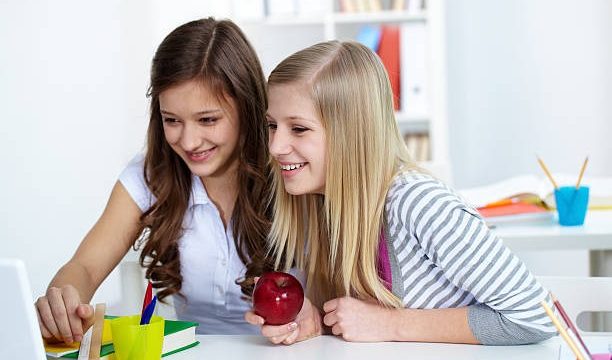
Creating opportunities for interaction is equally important. Structured activities that promote teamwork, collaboration, and communication can provide a safe space for children to connect. Group projects, cooperative games, and shared learning experiences allow children to discover each other’s strengths and foster a sense of belonging. These interactions can be particularly beneficial for children with learning disabilities, as they often highlight the importance of support and cooperation.
Encouraging open communication among peers can also make a significant difference. Children should feel comfortable expressing their thoughts and feelings, especially when it comes to understanding their friends’ challenges. Simple conversations about how to support one another can go a long way in breaking down barriers. When children learn to communicate openly, they create a strong foundation for lasting friendships.
Creating an inclusive environment in schools and community settings is another vital aspect of promoting positive peer interactions. This inclusivity can be achieved through various means, such as adaptive programs, peer mentoring, and awareness campaigns. By integrating children with learning disabilities into mainstream activities, we not only foster friendships but also encourage understanding and acceptance among all children.
Peer mentoring programs can be particularly effective. Pairing children with learning disabilities with compassionate peers can create a bridge of understanding. These mentors can offer guidance, support, and friendship, helping their peers navigate social situations with confidence. This relationship often benefits both parties, as mentors develop empathy and leadership skills while mentees gain a sense of belonging and support.
In addition to structured programs, informal playdates can be a wonderful way to strengthen peer relationships. Encouraging parents to arrange casual outings or gatherings allows children to interact in a relaxed setting. These experiences can lead to genuine connections and friendships that extend beyond the classroom. When children play together, they learn to communicate, collaborate, and resolve conflicts, all of which are essential skills for building lasting relationships.
Fostering a sense of community is also crucial. Encouraging families to engage in community events can create a supportive network for children with learning disabilities and their peers. Whether it’s a local festival, sports event, or art fair, these gatherings provide opportunities for children to socialize and interact in a friendly environment. A strong community can help children feel included and supported, reinforcing the idea that they are not alone in their experiences.
Celebrating achievements, no matter how small, can significantly enhance a child’s self-esteem and encourage positive peer interactions. Acknowledging progress in social skills, academic achievements, or personal growth can motivate children to continue building connections with their peers. When children feel proud of their accomplishments, they are more likely to engage with others and seek out friendships.
Parents and educators play a vital role in modeling positive interactions. Demonstrating kindness, patience, and understanding in their own relationships sets a powerful example for children. When children observe adults treating each other with respect and compassion, they are more likely to emulate those behaviors in their interactions with peers.
It’s also essential to address any negative behaviors that may arise. Bullying or exclusion can have a profound impact on children with learning disabilities. Teaching children about the importance of kindness and respect can help create a culture of acceptance. When negative behaviors are addressed promptly and compassionately, it fosters a sense of safety and belonging for all children.
Creating an environment where children feel comfortable to express themselves is fundamental. Encouraging self-advocacy is a valuable skill for children with learning disabilities. Helping them learn to articulate their needs and feelings empowers them to communicate effectively with their peers. When children feel confident in expressing themselves, they are more likely to engage positively with others.
As we navigate the journey of promoting positive peer interactions, it’s important to be patient and understanding. Building friendships and social skills takes time, and every child’s journey is unique. By providing consistent support and encouragement, we can help children with learning disabilities flourish in their social environments.
In summary, promoting positive peer interactions for children with learning disabilities requires a multifaceted approach. By fostering empathy, creating opportunities for interaction, encouraging open communication, and building an inclusive community, we can help these children form meaningful relationships. With love, understanding, and support, we can create a world where every child feels valued, included, and empowered to connect with their peers. Together, we can make a significant difference in the lives of children with learning disabilities, fostering a brighter future filled with friendships and support.