Creating a classroom environment where students engage with one another in respectful and thoughtful ways is a goal that many educators strive to achieve.
It’s not just about maintaining order; it’s about fostering a community where every student feels valued and heard.
The interactions that take place among students can shape their social skills, emotional intelligence, and overall educational experience.
Encouraging respectful student interaction is an essential step toward nurturing a positive learning atmosphere.
Building a foundation of respect begins with the educators themselves. When teachers model respectful behavior, students are more likely to mirror that conduct. This can be as simple as demonstrating active listening during discussions, acknowledging students’ contributions, and addressing conflicts with calmness and understanding. When students see their teachers engaging with one another and them in a respectful manner, it sets a standard for how they should interact with each other.
Creating a culture of respect also means establishing clear expectations for behavior within the classroom. This can involve co-developing classroom rules with students to ensure they feel a sense of ownership over their learning environment. When students have a say in the guidelines that govern their interactions, they are more likely to adhere to them. It’s important to revisit these expectations regularly, especially after a conflict arises, to remind everyone of the values that promote a positive atmosphere.
A small shift toward balance can make a significant difference in how students communicate. Encouraging open dialogue is crucial, as it allows students to express their thoughts and feelings in a safe space. Regularly incorporating activities that promote sharing can help students practice respectful communication. This could take the form of circle time, where each student has the opportunity to speak without interruption. Such practices foster patience and understanding, teaching students the importance of giving others the floor.
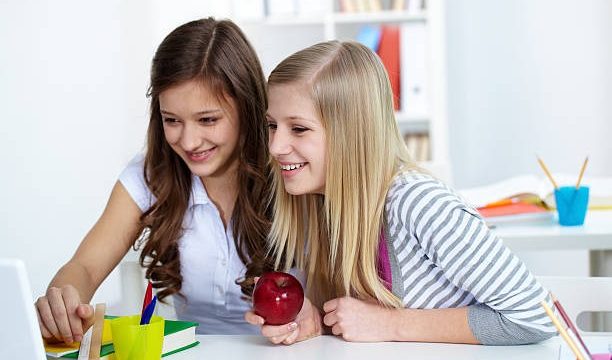
Another effective way to nurture respectful interactions is by integrating collaborative learning into the curriculum. When students work together on projects, they learn to appreciate diverse perspectives. Group work can be a powerful tool for building relationships, as it encourages students to engage with one another’s ideas and collaborate toward common goals. It is essential, however, to guide these interactions by providing students with strategies for effective teamwork, such as how to compromise or how to express disagreement respectfully.
Encouraging empathy is also vital in promoting respectful student interaction. Incorporating lessons that focus on understanding different viewpoints can help students develop a sense of compassion for one another. Literature and storytelling are particularly effective tools for cultivating empathy. Discussing characters’ motivations and feelings can lead to rich conversations about the importance of understanding others. When students learn to consider the feelings and perspectives of their peers, they are more likely to communicate with kindness and respect.
Creating opportunities for students to engage in service projects can further enhance their sense of respect for one another. When students work together to serve their community, they often develop a deeper appreciation for their classmates. These shared experiences can create bonds that strengthen their relationships and encourage them to treat one another with dignity. Whether it’s a school garden project or volunteering at a local charity, these activities can be a catalyst for fostering respect and collaboration.
Celebrating diversity is another essential aspect of encouraging respectful interactions. In a multicultural classroom, recognizing and appreciating the unique backgrounds and experiences of each student can create a more inclusive environment. Activities such as cultural sharing days or discussions around global issues can allow students to learn from one another, fostering respect for differing perspectives. When students feel that their identities are acknowledged and valued, they are more likely to engage positively with their peers.
While promoting respectful interactions is important, it is equally essential to address conflicts when they arise. Teaching students conflict resolution skills can empower them to handle disagreements constructively. Providing them with tools to express their feelings without resorting to hurtful language can be transformative. Role-playing scenarios can be an effective way to practice these skills in a safe environment. By equipping students with the knowledge and strategies to resolve conflicts, they can navigate their relationships with greater respect.
As educators work to cultivate respectful interactions, it’s important to remember that the process takes time. Patience and consistency are key. Celebrating small victories can help reinforce positive behavior and encourage students to continue striving for respectful communication. Recognizing moments when students exhibit kindness, understanding, or effective collaboration can reinforce the values that educators wish to instill.
Involving families in this journey can also enhance the effort to promote respectful student interactions. Open lines of communication between teachers and parents can help reinforce the importance of respect at home and in the classroom. Sharing resources, strategies, and successes can create a unified approach to fostering a culture of respect. When families and schools work together, students are more likely to internalize the values being taught.
Ultimately, the goal of encouraging respectful student interaction is to create a nurturing environment where every student feels safe, valued, and heard. It’s about cultivating relationships that extend beyond the classroom walls and preparing students for the world beyond school. By modeling respect, creating an inclusive environment, teaching empathy, and equipping students with conflict resolution skills, educators can help instill a lifelong appreciation for respectful communication.
As we continue to navigate the complexities of student interactions, let us remember that each step taken toward respect contributes to a brighter, more harmonious future for our students and the communities they will build. In this ever-evolving journey, we have the opportunity to shape not just academic success, but the very fabric of how our students will relate to one another and the world around them.