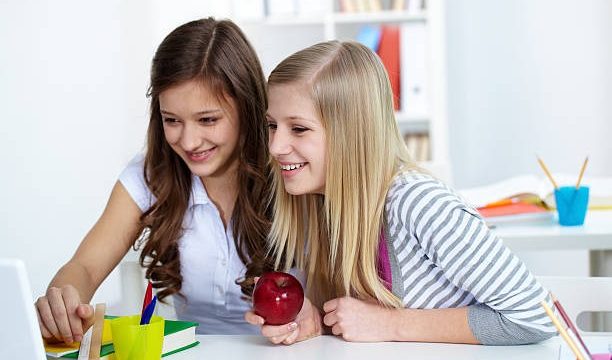
Group work can be a wonderful opportunity for students to collaborate, share ideas, and learn from one another.
However, keeping students engaged during these activities can be a challenge.
When a group dynamic falters, it can lead to frustration and disengagement, detracting from the learning experience.
So, how can we create an environment where every student feels involved and motivated? Let’s explore a few gentle strategies that can foster engagement during group work.
Creating a welcoming environment is the first step toward encouraging participation. When students feel comfortable, they are more likely to share their thoughts and ideas. This comfort can be cultivated by establishing a positive classroom atmosphere where respect and encouragement are the norms. A simple way to start is by setting ground rules for collaboration. These rules can include listening to one another, valuing diverse opinions, and ensuring that everyone has a chance to speak. By creating a safe space, students are more inclined to express themselves freely.
Another essential aspect of keeping students engaged is to assign roles within the group. When each student has a specific responsibility, it not only provides clarity but also fosters a sense of ownership. Roles can vary from a facilitator who leads discussions, a note-taker who documents ideas, to a timekeeper who ensures that the group stays on track. Rotating these roles in different sessions can also help students develop various skills and become well-rounded collaborators. This approach not only keeps everyone involved but also encourages accountability, as each member has a stake in the group’s success.
Encouraging creativity can breathe new life into group work. Instead of sticking strictly to traditional methods, introducing creative elements can capture students’ imaginations. For instance, consider allowing groups to present their findings in unique formats, such as skits, posters, or digital presentations. This creative freedom can ignite enthusiasm and motivate students to engage more deeply with the material. When learning becomes a canvas for self-expression, students are more likely to invest their energy and attention.
A gentle shift toward balance can also make a significant difference in group dynamics. It’s important to recognize that not all students thrive in the same way. Some may be eager to share their thoughts, while others might be more reserved. Encouraging quieter students to contribute can be achieved through thoughtful prompts or by pairing them with more vocal peers. This balance ensures that everyone has a voice, fostering a sense of inclusivity in the group. It’s about gently guiding conversations to create space for all perspectives, allowing for richer discussions.
Incorporating technology can also enhance engagement in group work. Many students today are tech-savvy and comfortable using digital tools. Incorporating collaborative platforms, such as Google Docs or online discussion boards, can facilitate real-time collaboration and brainstorming. These tools allow students to share ideas, edit documents, and communicate seamlessly, even if they are not physically together. By embracing technology, educators can tap into students’ interests and provide them with resources that support their learning.
Regular check-ins can serve as a gentle reminder of the group’s progress and keep everyone focused. These brief moments allow students to reflect on their contributions and discuss any challenges they may be facing. During check-ins, educators can also provide encouragement and feedback, reinforcing positive behaviors and redirecting any negative dynamics. This ongoing support can help maintain momentum and ensure that no student feels left behind.
Celebrating small victories can also contribute to a positive group experience. Recognizing the efforts of the group, whether through verbal praise or simple acknowledgments, can boost morale and motivation. It’s important to highlight not just the end result but also the collaborative process. By celebrating progress, students can feel a sense of accomplishment that fuels their desire to engage further.
Additionally, integrating real-world connections into group projects can spark interest and relevance. When students see how their work relates to real-life scenarios, it enhances their investment in the task. Discussing current events, local issues, or even historical contexts can provide a framework for group discussions, allowing students to explore meaningful topics together. This connection to the outside world can ignite passion and curiosity, making the learning experience more profound.
Lastly, fostering a culture of reflection can deepen engagement. After group work sessions, encouraging students to reflect on their experiences can be incredibly valuable. This can be done through open discussions, journals, or even informal conversations. By allowing students to express what they learned about themselves and their peers, they can gain insights into their collaborative skills and areas for improvement. This reflective practice not only enhances learning but also builds stronger relationships among group members.
In conclusion, keeping students engaged during group work requires a thoughtful approach that embraces collaboration, creativity, and inclusivity. By cultivating a welcoming environment, assigning roles, encouraging creativity, and integrating technology, educators can create a dynamic space for learning. Regular check-ins, celebrating progress, and making real-world connections can further enhance engagement. Ultimately, fostering a culture of reflection ensures that students not only learn from the experience but also grow as individuals and collaborators. Through these gentle strategies, we can transform group work into a meaningful and enjoyable journey for all students, allowing their voices to shine brightly in the collaborative process.