Storytelling for Social and Emotional Learning
In an age where technology often dominates our interactions, the timeless art of storytelling remains a powerful tool for connection and understanding.
It weaves a narrative thread that can transport us into the experiences of others, allowing us to explore emotions and perspectives in a way that is both engaging and enlightening.
Storytelling is not just a form of entertainment; it serves as a vital avenue for social and emotional learning, helping individuals, especially children, navigate their feelings and relationships with others.
The heart of storytelling lies in its ability to foster empathy. When we immerse ourselves in a story, we step into the shoes of the characters, experiencing their joys, struggles, and triumphs. This immersive experience can cultivate a deeper understanding of the human experience. For children, hearing stories that reflect diverse backgrounds and experiences can open their hearts and minds, teaching them to embrace differences and appreciate the richness of various cultures.
As we journey through life, we encounter a myriad of emotions. Joy, sadness, anger, and fear are all part of the human experience. Storytelling provides a safe space for individuals to explore these feelings. When children hear narratives that mirror their own experiences, they learn they are not alone in their emotions. This realization is crucial for emotional development. It encourages them to articulate their feelings and seek support when needed, fostering resilience and emotional intelligence.
The process of storytelling also encourages active listening and critical thinking. Engaging with a narrative demands attention, prompting listeners to reflect on the plot, characters, and underlying messages. This engagement sharpens cognitive skills, as children learn to analyze situations and draw conclusions. They begin to understand cause and effect, as well as the complexities of human behavior. Such skills are essential not only in academic settings but also in everyday interactions, where understanding the nuances of communication can lead to healthier relationships.
Incorporating storytelling into educational settings can significantly enhance social and emotional learning. Teachers can use stories to introduce themes such as kindness, perseverance, and cooperation. By discussing the characters’ choices and the consequences they face, educators can guide students in recognizing the impact of their actions on others. This dialogue nurtures a sense of community within the classroom, as students learn to express their thoughts and feelings in a supportive environment.
A gentle shift toward balance can occur when storytelling is used as a tool for conflict resolution. Stories can illustrate how misunderstandings arise and how they can be resolved through communication and compassion. When children hear about characters who successfully navigate conflict, they gain insight into problem-solving techniques. This can empower them to approach their own conflicts with a more open mind and a willingness to listen, fostering a culture of respect and understanding.
Moreover, storytelling can be a bridge between generations. In families, sharing stories can strengthen bonds and create a shared sense of identity. Grandparents recounting tales from their youth not only entertain but also impart wisdom and values. These narratives serve as a reminder of the continuity of life experiences, connecting the past with the present. Children learn the importance of their heritage, which can instill pride and a sense of belonging.
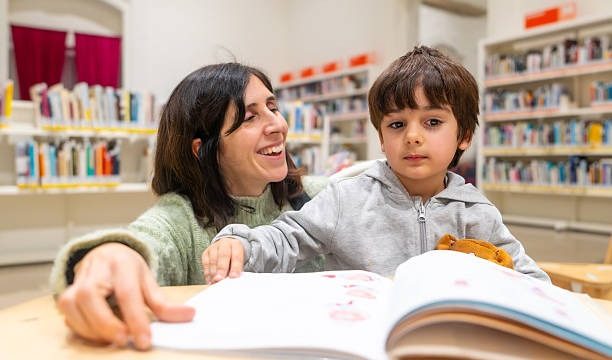
For those interested in harnessing the power of storytelling, it can be as simple as setting aside time for shared reading or engaging in conversations about favorite books. Encourage children to express their thoughts on the stories they encounter and share their own narratives. This practice fosters creativity and self-expression, allowing them to explore their own identities through the lens of storytelling.
In our fast-paced world, the deliberate act of storytelling can also promote mindfulness. Taking the time to listen to a story or share one can be a moment of pause in our busy lives. It invites us to slow down, reflect, and connect. In doing so, we cultivate a sense of presence that can be calming amidst the chaos. This mindfulness is essential for emotional regulation, helping individuals manage stress and anxiety more effectively.
As we continue to explore the intersection of storytelling and social-emotional learning, it becomes clear that this practice is not merely about imparting lessons. It is about creating spaces for connection, understanding, and growth. It invites us to engage with our emotions and the emotions of others, nurturing a sense of empathy that can ripple through our communities.
In the end, storytelling is a celebration of humanity. It reminds us that while our experiences may differ, our emotions are universal. Through stories, we find common ground, fostering relationships built on understanding and compassion. Whether through books, oral traditions, or personal anecdotes, the act of storytelling enriches our lives, guiding us toward a deeper appreciation of ourselves and the world around us.
As we embrace the power of storytelling in our lives, let us remember that every narrative is an opportunity—an opportunity to learn, to grow, and to connect. In a world that often feels divided, storytelling can be a thread that binds us together, illuminating the shared human experience that exists beneath the surface. By nurturing this practice, we not only enhance our social and emotional learning but also create a more compassionate and understanding world for ourselves and future generations.