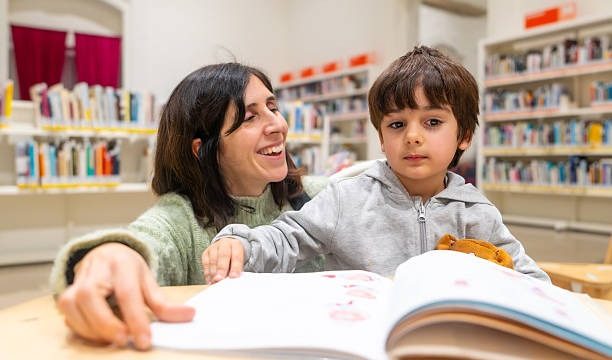
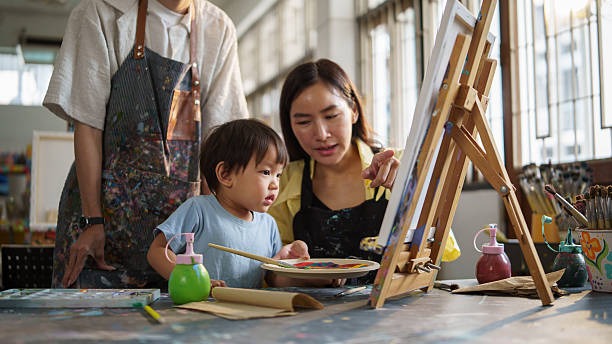
In the ever-evolving landscape of education, the quest for effective teaching methods continues to inspire educators and learners alike.
Among the myriad of approaches, one stands out for its profound impact: the use of real-life stories.
These narratives have a unique ability to engage students, foster empathy, and enhance understanding.
By weaving personal experiences into the fabric of learning, educators can create an environment that feels more relatable, making lessons not just informative but also transformative.
The power of storytelling is rooted in its ability to connect. When students hear stories from real people, they are not just passively receiving information; they are actively engaging with the material. This connection can ignite curiosity, prompting students to delve deeper into subjects that may have once seemed daunting. For instance, a history lesson can become far more compelling when students learn about the experiences of individuals who lived through significant events. Rather than merely memorizing dates and facts, they can empathize with the struggles and triumphs of those who came before them.
A gentle shift toward personal relevance can also facilitate a sense of belonging in the classroom. When educators share their own experiences, or invite guest speakers to do so, students can see the human side of the subject matter. This approach not only fosters a supportive learning environment but also encourages students to share their own stories. In doing so, they contribute to a rich tapestry of perspectives that enhances the collective learning experience. The classroom transforms into a community where everyone’s voice matters, and students feel empowered to express themselves.
Incorporating real-life stories into the curriculum can also enhance critical thinking skills. When students analyze narratives, they are often required to consider multiple viewpoints, assess motivations, and draw conclusions based on evidence. This analytical process is invaluable, as it mirrors the complexities of the real world. For example, discussing a literary work through the lens of the author’s life can lead to deeper insights into themes, character development, and societal context. Students learn to appreciate the nuances of storytelling, which ultimately enriches their understanding of literature and the world around them.
The emotional resonance of stories can also serve as a catalyst for personal growth. When students encounter challenges or triumphs in the narratives they study, they may find reflections of their own lives. This connection can inspire resilience and encourage them to face their own obstacles with courage. For instance, a story about overcoming adversity can motivate students who are struggling with their own difficulties, reminding them that they are not alone in their experiences. In this way, education becomes a journey of self-discovery, where students are not only learning about the world but also about themselves.
Moreover, stories from diverse cultures and backgrounds can broaden students’ horizons and promote inclusivity. In a globalized world, understanding and appreciating different perspectives is crucial. By incorporating a variety of narratives into the curriculum, educators can expose students to a wealth of experiences that reflect the rich tapestry of human life. This exposure fosters empathy and cultural awareness, helping students to develop into compassionate individuals who respect and celebrate differences.
As educators explore the integration of storytelling in their teaching practices, it’s essential to consider the medium through which these stories are shared. Whether through literature, film, oral presentations, or digital storytelling, the possibilities are endless. Each medium brings its own unique flavor to the narrative, allowing for creativity and innovation in the classroom. By encouraging students to experiment with these various forms, educators can cultivate a love for storytelling that extends beyond the classroom.
Creating a culture of storytelling also involves nurturing a safe space where students feel comfortable sharing their own experiences. This can be achieved through open discussions, reflective writing prompts, or collaborative projects. When students feel valued and heard, they are more likely to engage with the material and contribute to the collective learning experience. This sense of community not only enhances academic performance but also promotes emotional well-being.
In addition to fostering connection and empathy, real-life stories can serve as powerful tools for motivation. When students see the tangible impact of education through the stories of others, they may be inspired to pursue their own goals with renewed vigor. For instance, hearing about individuals who have overcome obstacles to achieve their dreams can instill a sense of hope and determination. This motivation is particularly important in a world where students face numerous challenges, both academically and personally.
As we reflect on the role of storytelling in education, it becomes clear that it is more than just a teaching method; it is a way of creating meaningful connections. By sharing real-life stories, educators can inspire students to engage with their learning on a deeper level. This approach not only enhances academic understanding but also nurtures emotional intelligence, resilience, and empathy—qualities that are essential for success in both personal and professional realms.
In a time when the world can often feel fragmented, the integration of storytelling in education serves as a gentle reminder of our shared humanity. It connects us across cultures and experiences, fostering understanding and compassion. As educators continue to embrace this powerful tool, they pave the way for a generation of learners who are not only knowledgeable but also empathetic and engaged citizens of the world.
Ultimately, using real-life stories in education is about more than imparting knowledge; it is about nurturing the heart and mind. By creating an environment where stories can flourish, we unlock the potential for transformative learning experiences that resonate long after the classroom doors close. As we move forward, let us remember the importance of these narratives in shaping not only our understanding of the world but also our place within it.