The Role of Family in Early Literacy Success
When we think about early literacy, we often envision classrooms filled with colorful books and enthusiastic teachers guiding young minds.
However, the foundation of reading and writing begins long before a child steps into a school.
In fact, the most significant influence on a child’s literacy development often comes from within the family unit.
The supportive environment created by family members plays a crucial role in nurturing a child’s love for reading and writing, laying the groundwork for lifelong learning.
Creating a Literacy-Friendly Home
Establishing a literacy-rich environment at home can be a delightful experience for both parents and children. It doesn’t require a library’s worth of books; rather, it involves the small, daily interactions that foster a child’s curiosity about language. Parents can start by simply surrounding their children with a variety of reading materials. Picture books, storybooks, magazines, and even comic books can spark interest and imagination. The key is to make reading a natural and enjoyable part of daily life.
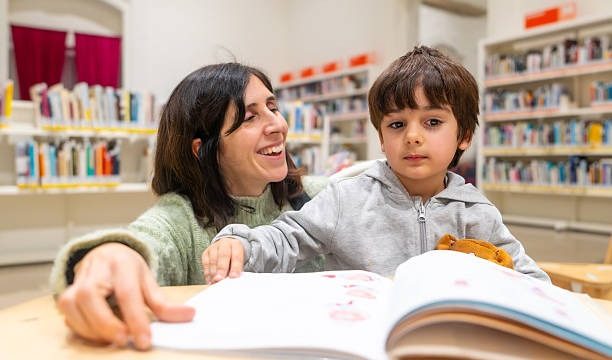
Reading together can be one of the most precious bonding activities a family can share. Snuggling up to read a bedtime story not only promotes literacy but also strengthens emotional connections. When parents express enthusiasm while reading, using different voices for characters or pausing to discuss pictures, children learn to associate reading with joy and excitement. This practice can cultivate a lifelong passion for books, encouraging children to explore stories independently as they grow.
Engaging in Conversations
Language development is another essential component of early literacy, and family conversations play a vital role in this journey. Engaging in meaningful discussions with children helps them expand their vocabulary and develop critical thinking skills. Simple everyday conversations can be enriched by asking open-ended questions that prompt children to express their thoughts and ideas. Instead of asking, “Did you have fun today?” consider asking, “What was the best part of your day, and why?”
These interactions not only build language skills but also empower children to articulate their feelings and opinions. When family members listen actively, children feel valued and understood, which boosts their confidence in communicating. This supportive dialogue fosters a sense of belonging, making children more willing to explore and experiment with language.
The Power of Storytelling
Storytelling is a timeless tradition that unites families and nurtures a child’s imagination. Sharing stories—whether they are traditional tales, personal anecdotes, or even made-up adventures—opens a door to creativity. Children are naturally drawn to stories, and when family members share their own experiences, it offers a unique opportunity for connection. This practice not only enhances listening skills but also encourages children to create their own narratives, further developing their literacy skills.
Moreover, storytelling can serve as a wonderful bridge to understanding cultural heritage and values. Families can pass down stories that reflect their traditions, teaching children about their roots and instilling pride in their identity. This connection to culture enriches a child’s learning experience, making literacy not just an academic skill but also a vital part of their personal narrative.
Modeling Reading Habits
Children learn by observing the behavior of those around them, particularly their parents and siblings. When family members model positive reading habits, children are more likely to emulate them. This can be as simple as setting aside time for personal reading. When children see adults engrossed in a book, they understand that reading is a valuable and enjoyable activity.
Additionally, sharing personal experiences about what you read can ignite a child’s interest. Discussing the plot of a book or sharing insights from an article can inspire curiosity and encourage children to seek out reading materials that resonate with them. This kind of modeling reinforces the idea that reading is not just a chore but a lifelong journey filled with discovery.
Building a Routine
Establishing a routine that includes dedicated reading time can significantly enhance early literacy success. Families can create a cozy reading nook, where everyone feels comfortable diving into a book. This space can be a sanctuary for exploration, where the hustle and bustle of daily life fades away, allowing for focused engagement with stories.
Incorporating literacy into daily routines can also be beneficial. Whether it’s reading the grocery list together, singing songs, or playing word games during car rides, these moments contribute to a child’s language development in a fun and engaging way. The more consistent and varied the exposure to language, the more prepared children will be for the literacy challenges they will face in school.
Encouraging Exploration
Every child is unique, with different interests and learning styles. Families can support early literacy by encouraging children to explore different genres and formats. If a child gravitates toward graphic novels or poetry, it’s essential to celebrate those choices rather than steering them toward traditional texts. By validating their interests, families can help children develop a sense of ownership over their learning journey.
Furthermore, visits to libraries and bookstores can be exciting adventures that reinforce a love of reading. Allowing children to choose their own books empowers them and fosters a sense of independence. This exploration can lead to delightful discoveries and inspire children to delve deeper into the world of literature.
In Conclusion
The role of family in early literacy success cannot be overstated. From creating a literacy-friendly environment to engaging in meaningful conversations, families have the power to shape a child’s relationship with reading and writing. By modeling positive reading habits, building routines, and encouraging exploration, parents and caregivers can foster a love of literacy that lasts a lifetime.
Ultimately, the journey of nurturing early literacy is not just about academic achievement; it’s about creating a nurturing environment where children feel loved, supported, and inspired to explore the world of words. As families invest in this journey together, they not only enrich their children’s lives but also strengthen their bonds, creating a legacy of learning that can be passed down for generations.