Turning Everyday Moments Into Literacy Lessons
In our fast-paced world, the moments we often overlook can become rich learning experiences, especially when it comes to literacy.
Whether you are a parent, a teacher, or someone who simply wants to nurture a love for reading and writing in children, everyday situations can effortlessly transform into opportunities for literacy development.
By weaving literacy into the fabric of daily life, we can create a nurturing environment that encourages curiosity, creativity, and communication.
Consider the simple act of cooking together. As you gather ingredients and prepare a meal, you have a wonderful opportunity to introduce new vocabulary. Discuss the textures, colors, and flavors of the food. Ask questions that spark curiosity: “What do you think happens when we mix these ingredients?” This not only enhances vocabulary but also fosters critical thinking skills. Involving children in the process of reading recipes can also help them understand sequencing, as they learn to follow instructions step by step.
Another enriching environment for literacy is the local park. A walk outdoors can provide countless moments for language development. As you stroll, take the time to observe your surroundings. Point out the different types of trees, flowers, and animals. Encourage children to describe what they see, using their senses to enhance their observations. “What does the grass feel like under your feet?” or “How do the leaves sound when the wind blows?” Engaging in conversation about the world around them not only builds vocabulary but also deepens their connection to nature and enhances their descriptive skills.
Storytelling is a powerful tool that can be easily integrated into everyday life. Whether it’s recounting a funny incident from your day or sharing a family memory, storytelling encourages children to think creatively and structure their thoughts. You might choose to make it interactive by inviting them to add their own twists to the tale. This not only nurtures their imagination but also helps them understand narrative structure, such as the beginning, middle, and end.
A small shift toward balance can be found in the time spent reading together. Bedtime stories are a classic, but reading can happen anytime, anywhere. Keep a book in your bag for moments spent waiting, whether at the doctor’s office or during a long drive. Encourage children to pick books that interest them, even if they are not traditionally deemed educational. The joy of reading should always come first. By allowing them to choose, you empower them and make reading a more enjoyable and personal experience.
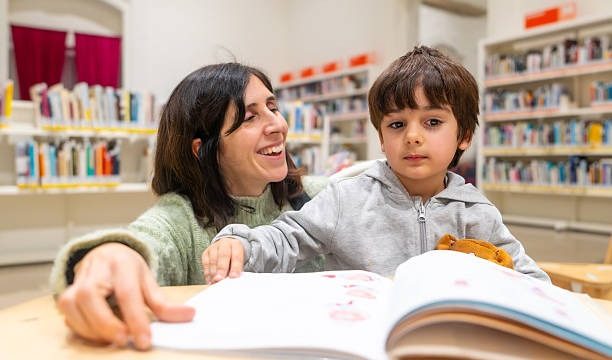
Visiting the library can be a delightful adventure in itself. Libraries are not just places to borrow books; they are vibrant community hubs filled with activities and resources. Encourage children to explore various genres and subjects. You can turn this visit into a literacy lesson by discussing what they might want to read and why. Perhaps they are drawn to a book about space or a story featuring a brave hero. These conversations help them articulate their thoughts and preferences, which is a valuable literacy skill.
Incorporating writing into daily routines can also be a gentle way to enhance literacy. Encourage your child to keep a journal, where they can express their thoughts and feelings. This practice not only helps with writing skills but also provides an outlet for emotional expression. Ask them to write about their day, their dreams, or even a fictional story. Celebrate their efforts by reading their entries together, which reinforces the value of their writing and encourages them to keep going.
As you navigate everyday moments, consider the power of play. Engaging in games that involve words and letters can make learning fun and interactive. Simple games like Scrabble or word searches can enhance spelling and vocabulary without the pressure of formal learning. Even a game of charades can involve storytelling and creative thinking, allowing children to express themselves in unique ways.
Technology can also play a role in enriching literacy experiences. There are numerous apps and websites designed to foster reading and writing skills in engaging formats. However, it’s essential to find a balance between screen time and traditional reading. Encourage children to explore e-books or audiobooks, which can be particularly helpful for reluctant readers. Listening to stories can spark their imagination and foster a love for narratives, even if they aren’t reading them in the traditional sense.
As you cultivate an environment rich in literacy, remember the importance of patience and encouragement. Celebrate small milestones, whether it’s sounding out a new word or finishing a book. Create a space where mistakes are seen as learning opportunities rather than setbacks. This mindset will help children feel confident in their abilities and make them more willing to take risks in their reading and writing journeys.
Ultimately, turning everyday moments into literacy lessons is about creating connections. It’s about making learning a part of life rather than a separate task. When children see reading and writing as integral to their daily experiences, they are more likely to embrace these skills wholeheartedly. By weaving literacy into the fabric of everyday life, we not only nurture their abilities but also foster a lifelong love for learning and exploration.
So, the next time you find yourself in a mundane moment, take a step back and look for the potential for a literacy lesson. Whether it’s a cooking session, a walk in the park, or simply sharing a story, these moments can create lasting impacts. In doing so, you are not just teaching children how to read and write; you are opening doors to a world of imagination, creativity, and understanding that will serve them well throughout their lives.