In the world of early childhood development, the significance of literacy is often underscored.
However, the journey to cultivating literacy skills in young children can be both delightful and enriching when approached through playful learning experiences.
This method not only nurtures a love for reading and language but also fosters creativity, critical thinking, and social skills.
The foundation of early literacy is built upon the interactions children have with their environment, caregivers, and peers. Playful learning experiences create a rich tapestry of opportunities for children to explore language in a natural, engaging way. When children engage in play, they are not merely having fun; they are also discovering the world around them, developing cognitive abilities, and honing their communication skills.
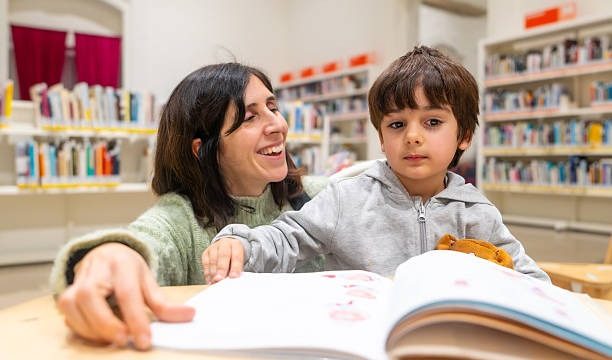
One of the simplest yet most effective ways to encourage early literacy is through storytelling. Whether it’s reading a book together or creating stories on the spot, storytelling invites children into a world of imagination. This activity not only enhances vocabulary but also helps children understand narrative structure, which is fundamental to both reading and writing. When parents or caregivers share stories, they provide context, emotion, and expression, making the experience more vibrant.
Imaginative play is another wonderful avenue for fostering literacy. When children engage in role-playing games, they often take on different characters, mimicking dialogue and scenarios they have encountered in books or real life. For instance, a child might dress up as their favorite storybook character and reenact scenes, which allows them to practice language skills in a context that feels meaningful. This type of play encourages children to experiment with new words and phrases, thus expanding their vocabulary in an organic manner.
Creating a literacy-rich environment at home can further enhance these playful learning experiences. Simple additions like a cozy reading nook filled with accessible books can invite children to explore literature on their own. Surrounding them with labels, signs, and pictures can also stimulate their curiosity about words and their meanings. The key is to make reading a part of everyday life, seamlessly integrating it into playtime, mealtime, and quiet moments.
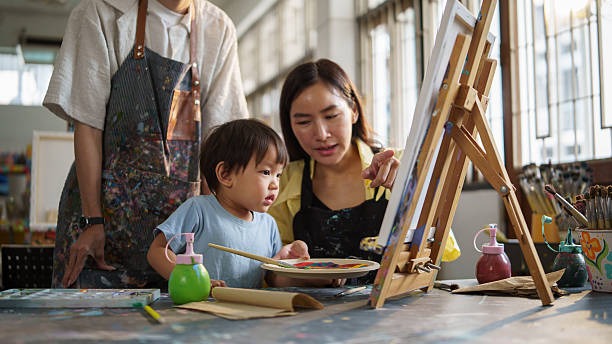
Engaging in arts and crafts can also serve as a playful conduit to literacy. Activities like drawing, painting, or crafting provide children with the opportunity to express themselves creatively while reinforcing fine motor skills that are essential for writing. When children create their own books or illustrations, they are not just playing; they are also learning to convey stories visually and textually. This process encourages them to think critically about how to communicate their ideas, both in words and images.
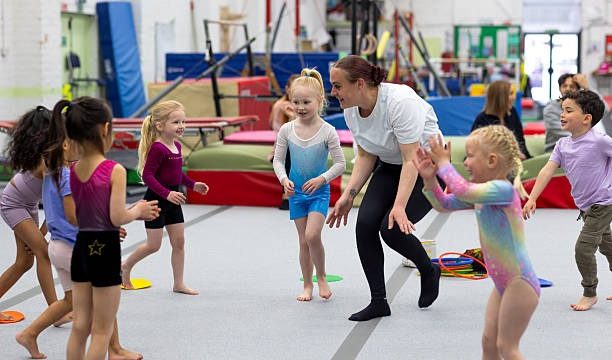
Music and movement are additional elements that can enrich literacy through play. Singing songs, reciting rhymes, or even dancing to music enhances phonemic awareness, which is vital for reading. The rhythm and repetition found in songs help children recognize sounds and patterns, making it easier for them to decode words later on. Incorporating movement into these activities can also make learning feel more dynamic and engaging, as children connect physical activity with language development.
As children interact with others during play, they are also developing social skills that are essential for effective communication. Group activities, such as playing games or participating in puppet shows, can help children practice taking turns, listening, and following directions. These social interactions provide a rich ground for language development, as children learn to express their thoughts and feelings while negotiating with their peers. The playful context makes these interactions feel less like lessons and more like shared experiences, fostering a love for language.
It’s important to remember that every child is unique, and their journey toward literacy will differ. Some may gravitate toward books and storytelling, while others may prefer hands-on activities or imaginative play. The beauty of playful learning is that it allows for flexibility and adaptation based on a child’s interests and strengths. By being attuned to what excites and engages a child, caregivers can create personalized experiences that cultivate a love for literacy in a way that feels natural to them.
Incorporating technology into playful learning experiences can also be beneficial, as long as it is done mindfully. Interactive apps and educational games can provide engaging ways for children to practice their literacy skills, especially when they complement traditional play. However, it’s essential to balance screen time with hands-on activities to ensure a well-rounded approach to learning.
As children navigate their early literacy journey, the role of caregivers and educators is crucial. Encouragement and support can go a long way in building a child’s confidence in their reading and writing abilities. Celebrating their milestones, no matter how small, fosters a positive attitude toward learning. By creating an environment that values exploration and curiosity, caregivers can help children see learning as a lifelong adventure rather than a chore.
In conclusion, early literacy through playful learning experiences is not just about academic skills; it’s about nurturing a child’s natural curiosity and creativity. By weaving together storytelling, imaginative play, arts and crafts, music, and social interactions, we can create a rich landscape for literacy development. Ultimately, the goal is to cultivate a love for language that will serve children well throughout their lives. As we embrace this journey, we can remind ourselves that learning is best when it feels like play, where every moment is an opportunity for discovery and joy.