In a world that emphasizes the importance of education, the journey of learning often begins long before a child steps foot in a classroom.
Early literacy, which encompasses the skills and knowledge that lay the groundwork for reading and writing, plays a crucial role in preparing children for school and beyond.
It’s a gentle, nurturing process that not only enhances academic readiness but also fosters a lifelong love for learning.
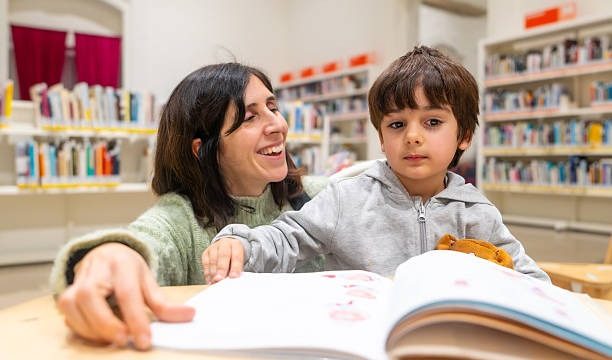
The foundation of early literacy starts at home, where children are immersed in a language-rich environment. Reading aloud to children, sharing stories, and engaging in conversations can spark their curiosity and imagination. These simple yet impactful activities help children develop vocabulary, comprehension skills, and a sense of narrative structure. When parents and caregivers engage with children through books, they encourage an exploration of ideas and concepts, igniting a passion for reading that can last a lifetime.
Creating a cozy reading nook can be a delightful way to encourage this exploration. A small corner filled with colorful books and comfortable seating invites children to immerse themselves in stories. This space becomes a sanctuary where they can escape into different worlds, meet new characters, and learn about the diverse tapestry of life. The more children are exposed to books and stories, the more they begin to understand the power of language and communication.
As children engage with stories, they also develop critical thinking skills. They learn to predict outcomes, make connections, and ask questions. These cognitive skills are essential for academic success, as they form the basis of analytical thinking that will be required in school. When children discuss a book’s characters or plot, they practice articulating their thoughts and opinions, an invaluable skill that will serve them well in classroom discussions and collaborative projects.
Another aspect of early literacy is the understanding of print concepts. Young children are naturally curious about the written word, often pointing to letters and words as they begin to make sense of their surroundings. This curiosity can be nurtured by pointing out signs, labels, and even the words in their favorite books. Teaching children that print carries meaning helps them recognize letters and words, fostering their ability to read independently when the time comes.
Incorporating literacy into daily routines can also be a joyful experience. Cooking together can become a lesson in reading recipes and following instructions. Writing shopping lists encourages children to recognize letters and words while also involving them in family activities. Even simple tasks, like labeling items around the house, can enhance their understanding of language and print. These moments not only promote literacy but also strengthen family bonds as everyone participates in the learning process.
As children approach school age, their early literacy skills can significantly impact their confidence and readiness for the classroom environment. Children who have been exposed to a variety of texts and have had opportunities to express themselves verbally are often more comfortable participating in class discussions. They are familiar with the rhythms of storytelling and the structure of language, which can ease the transition into formal education.
Additionally, early literacy lays the groundwork for social-emotional development. When children engage with stories, they often identify with characters and experiences that resonate with their own feelings. This connection fosters empathy and understanding, as they learn to navigate their emotions and relate to others. In a school setting, these skills are crucial for building friendships and working collaboratively with peers.
The journey of early literacy is not solely about academic achievement; it is also about cultivating a joyful and enriching experience. Encouraging a love for reading means allowing children to choose books that interest them, even if they seem outside the traditional curriculum. Whether it’s a story about fantastical creatures or a nonfiction book about dinosaurs, the key is to spark their enthusiasm. When children feel empowered to choose what they read, they are more likely to engage deeply with the material.
As parents and caregivers, it is essential to model a positive attitude toward reading and learning. Sharing your own reading experiences, discussing interesting articles, or even reading together can create a culture of literacy within the home. Children often emulate the behaviors they observe, so when they see adults valuing reading, they are more inclined to do the same.
Moreover, fostering connections with the community can enhance early literacy experiences. Local libraries often offer storytime sessions, reading clubs, and other programs designed to engage young readers. These activities not only provide access to a wealth of books but also create opportunities for social interaction and learning outside the home. Engaging with others who share a love for reading can motivate children and provide a sense of belonging in their literacy journey.
As we reflect on the significance of early literacy, it becomes clear that it is a multifaceted journey. Through nurturing language skills, promoting a love for reading, and creating a supportive environment, we prepare children not just for school, but for a lifetime of learning. The skills they acquire in these formative years will serve as the building blocks for their future endeavors, both academically and personally.
Ultimately, early literacy is about more than just reading and writing; it is about instilling a sense of wonder and curiosity about the world. By investing time and effort into fostering these skills, we empower children to explore their interests, express themselves, and connect with others. As they embark on their educational journeys, they carry with them the tools they need to succeed and thrive in an ever-changing world.