Education is often viewed through a traditional lens—classrooms filled with desks, textbooks, and rigid schedules.
However, as our lives become increasingly dynamic and interconnected, it is essential to shift our understanding of education to encompass a broader, more fluid perspective.
Education that moves with life is about embracing learning as a lifelong journey, where experiences shape knowledge and growth happens both inside and outside of conventional settings.
As we navigate the complexities of modern living, the way we learn should adapt to our evolving needs and circumstances. This approach allows us to cultivate a richer understanding of the world around us, encouraging curiosity and resilience in the face of change. The idea is simple yet profound: education should not be a destination but a continuous process that flows seamlessly with our daily experiences.
A small shift toward balance
In a world that often prioritizes structured learning environments, it’s easy to overlook the valuable lessons that come from everyday life. The moments spent cooking a new recipe, engaging in a community project, or even navigating personal challenges can provide rich educational experiences. These instances teach us practical skills, foster empathy, and enhance our problem-solving abilities. By recognizing the educational potential in daily activities, we can create a more balanced and holistic approach to learning.
Imagine a parent teaching their child how to plant a garden. This simple act goes beyond the mechanics of digging and planting seeds. It introduces concepts of biology, ecology, and patience, all while nurturing a connection to nature. Such experiences highlight the beauty of informal education, where the lessons learned are often more impactful than those found in textbooks. By integrating learning into our lives, we can foster a sense of wonder and curiosity that keeps the spirit of education alive.
Cultivating a mindset of lifelong learning
The essence of education that moves with life is rooted in the mindset of lifelong learning. This philosophy invites us to remain open to new experiences and perspectives throughout our lives. It encourages us to view challenges as opportunities for growth rather than obstacles to overcome. When we adopt this mindset, we become more adaptable, developing the skills necessary to navigate an ever-changing world.
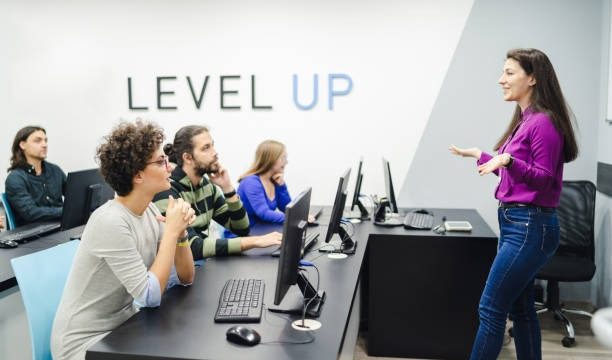
Consider how technology has transformed the way we learn. Online courses, webinars, and educational podcasts provide access to information that was once confined to the walls of traditional classrooms. This shift means that learning can happen anytime and anywhere, whether during a morning commute or while enjoying a quiet evening at home. By embracing these resources, we can personalize our educational journey, choosing what resonates with us and aligns with our interests.
The role of community in education
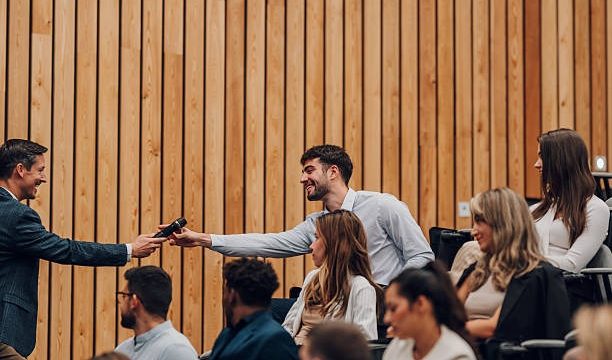
Community plays a vital role in shaping our educational experiences. Whether through local organizations, interest groups, or informal gatherings, the connections we form can provide invaluable support and inspiration. Sharing knowledge, skills, and insights with others enriches our understanding and fosters a sense of belonging. Education thrives in environments where collaboration and dialogue are encouraged, allowing diverse perspectives to come together.
Consider the power of a book club. Participants not only explore literature but also engage in meaningful discussions that challenge their viewpoints and deepen their understanding. These interactions create a vibrant learning atmosphere where everyone contributes to the collective knowledge. By nurturing such connections within our communities, we can enhance our educational experiences and encourage growth in one another.
Embracing flexibility in learning
Life is inherently unpredictable, and our educational pursuits should reflect that reality. Embracing flexibility means allowing ourselves the grace to adapt our learning paths as needed. This might mean taking a break from formal education to travel, pursuing a passion project, or even shifting careers entirely. Each of these choices can lead to profound learning experiences that shape who we are and how we view the world.
For example, someone might decide to take a sabbatical to volunteer abroad. During this time, they may learn about different cultures, develop new skills, and gain a deeper understanding of global issues. Such experiences can be transformative, offering insights that traditional education may not provide. By recognizing the value in these non-linear paths, we can cultivate a more expansive view of education that honors the richness of our life experiences.
The beauty of self-directed learning
At the heart of education that moves with life is the concept of self-directed learning. This approach empowers individuals to take charge of their educational journeys, pursuing what ignites their passions and interests. It fosters autonomy and encourages exploration, allowing learners to delve into topics that resonate with them personally.
Self-directed learning can manifest in various ways, from pursuing hobbies to engaging in professional development. It encourages curiosity and creativity, enabling individuals to carve their unique paths. As we embrace this form of learning, we cultivate a deeper sense of agency and ownership over our education, making it a more fulfilling and meaningful endeavor.
In conclusion, education that moves with life invites us to rethink how we approach learning in an ever-changing world. By recognizing the value of everyday experiences, fostering a mindset of lifelong learning, engaging with our communities, embracing flexibility, and nurturing self-directed learning, we can create a more enriching educational journey. This perspective enables us to grow not just as students but as individuals, continuously evolving in response to the world around us. Ultimately, education becomes a celebration of our shared human experience, connecting us through our collective pursuit of knowledge and understanding.