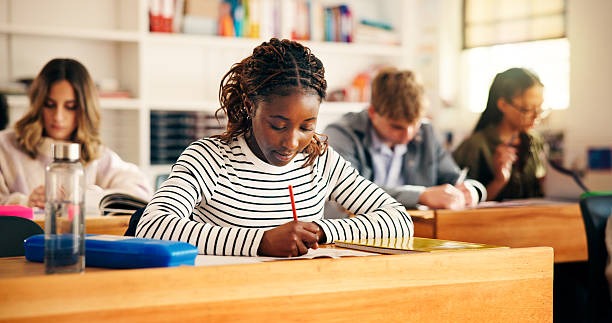
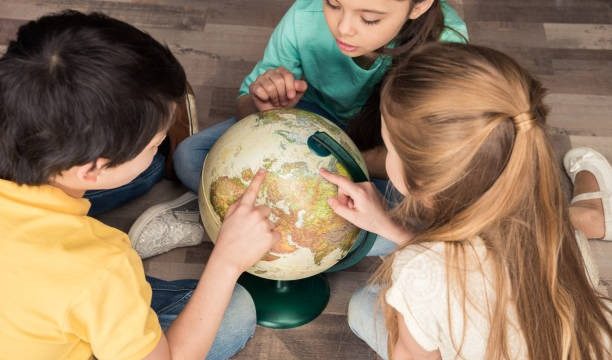
In today’s educational landscape, fostering rich discussions in the classroom is more essential than ever.
Engaging students in meaningful dialogue not only enhances their understanding of the material but also cultivates critical thinking and social skills.
One of the most effective ways to spark these conversations is through interactive tools that encourage participation and collaboration.
By embracing these resources, teachers can create an environment where every voice is valued, and every opinion matters.
A gentle nudge towards engagement
Interactive tools can take many forms, from digital platforms to hands-on activities. They invite students to share their thoughts and feelings in a way that traditional lectures often do not allow. For example, think about the power of a simple question posed to a group. In a conventional setup, a teacher might ask a question and wait for hands to go up. But with interactive tools, students can contribute their responses through chat functions or collaborative documents, allowing for a broader range of input. This shift not only encourages quieter students to participate but also stimulates lively debate among peers.
Creating a safe space for dialogue
The foundation of rich classroom discussions lies in creating a safe and welcoming environment. Interactive tools can facilitate this atmosphere by providing anonymity when desired. Platforms that allow students to share their thoughts without immediately attaching their names can help alleviate the fear of judgment. This anonymity encourages more honest discussions, especially on sensitive topics. When students feel secure in expressing their viewpoints, they are more likely to engage deeply with the material and with one another.
The beauty of multimedia integration
Incorporating multimedia into classroom discussions can also enhance student engagement. Interactive tools that integrate videos, podcasts, or interactive simulations can pique students’ interest and act as springboards for conversation. For instance, after watching a short documentary clip, students might be prompted to discuss their reactions and insights. This multimedia approach not only caters to diverse learning styles but also enriches the conversation with varied perspectives.
Fostering collaboration through technology
Technology allows for collaborative tools that can transform the way students interact with each other. Platforms like Google Docs or Padlet enable students to work together in real-time, sharing ideas and building on one another’s contributions. This collaborative spirit fosters a sense of community, where students learn to listen actively and respond thoughtfully. As they navigate discussions together, they develop skills that will serve them well beyond the classroom.
Encouraging critical thinking
Interactive tools that challenge students to think critically can lead to profound discussions. For example, using platforms that present real-world scenarios or ethical dilemmas encourages students to analyze different viewpoints and consider the implications of their responses. When students are asked to defend their opinions or challenge the ideas of their peers, they engage in a deeper level of dialogue. This critical engagement not only enhances their understanding of the subject matter but also prepares them for the complexities of real-world conversations.
The role of gamification
Gamification has become a popular method of engaging students in discussions. By turning discussions into games or competitions, teachers can create a fun and motivating atmosphere. Interactive quizzes or debate formats that incorporate game-like elements can encourage participation while making the learning process enjoyable. This playful approach can break down barriers and invite even the most reluctant participants to join in the conversation.
Reflecting on discussions
After engaging in a rich discussion, taking time to reflect can deepen the learning experience. Interactive tools that allow students to summarize their thoughts or share what they’ve learned can reinforce the value of the dialogue. Reflection can take the form of digital journals or shared discussion boards where students post their insights. This practice not only solidifies their understanding but also encourages them to appreciate the diverse perspectives shared during the conversation.
Building community through shared experiences
Creating a sense of community in the classroom is crucial for fostering open discussions. Interactive tools that facilitate group projects or collaborative research can help students bond over shared experiences. When students work together towards a common goal, they develop relationships that enhance their willingness to engage in discussions. This camaraderie makes it easier for students to express their thoughts and listen to others, creating a vibrant tapestry of ideas and opinions.
Nurturing empathy and understanding
Classroom discussions are an opportunity for students to develop empathy and understanding for one another. Interactive tools that encourage storytelling or personal sharing can be particularly effective in this regard. When students share their experiences or viewpoints, they learn to appreciate the complexities of their peers’ lives. This deeper understanding fosters a culture of respect and compassion, essential components of any rich discussion.
A continuous journey of learning
As educators, it’s important to recognize that enhancing classroom discussions is an ongoing journey. Interactive tools should be seen as part of a larger strategy for fostering dialogue and engagement. By regularly assessing the effectiveness of these tools and being open to new methods, teachers can adapt their approaches to meet the evolving needs of their students. This commitment to continuous improvement not only benefits the classroom environment but also enriches the educational experience for everyone involved.
In conclusion, interactive tools offer a wealth of possibilities for encouraging rich classroom discussions. By creating a safe space for dialogue, incorporating multimedia, fostering collaboration, and nurturing empathy, educators can transform their classrooms into vibrant learning communities. As we embrace these tools, we open the door to deeper understanding and connection, preparing our students not just for academic success, but for thoughtful engagement in the world around them.