In the ever-evolving landscape of education, the relationship between teachers and students plays a pivotal role in fostering a positive learning environment.
A strong connection can enhance engagement, boost motivation, and ultimately lead to greater academic success.
Fortunately, there are various tools and strategies that can help nurture these vital relationships, allowing both educators and students to thrive.
Let’s explore some of these innovative tools that promote stronger connections.
Creating a welcoming atmosphere is often the first step toward building trust. Many teachers are turning to platforms that facilitate open lines of communication. For instance, messaging apps and educational platforms allow for casual, real-time conversations. These tools break down barriers, making it easier for students to ask questions, seek guidance, or simply share their thoughts. The key is to create a space where students feel comfortable expressing themselves, knowing their voices are valued.
In this digital age, many teachers are also utilizing social media to enhance their relationships with students. Platforms like Instagram and Twitter can be used to share classroom highlights, celebrate student achievements, or even post educational content that resonates with students. This approach not only keeps the learning environment lively but also shows students that their teachers are approachable and engaged in their lives outside the classroom. When students see their teachers in a more personal light, it humanizes the relationship and fosters a sense of community.
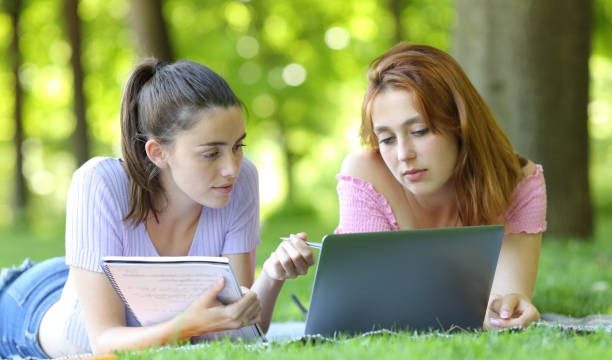
Another powerful tool for strengthening student-teacher connections is the use of collaborative platforms. Tools like Google Classroom and Microsoft Teams enable educators to create interactive spaces where students can collaborate on projects, share resources, and communicate more effectively. These platforms encourage teamwork and help students develop a sense of belonging within their classroom community. When students engage with one another and their teacher in a collaborative setting, they build relationships that extend beyond academic work.
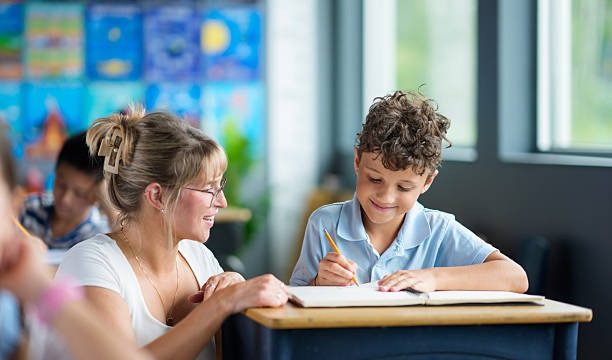
A gentle shift toward personalized learning can also enhance connections. Technology has made it easier for educators to tailor their teaching methods to meet the unique needs of each student. Learning management systems often come equipped with analytics that allow teachers to track student progress and identify areas where they may need extra support. By recognizing individual strengths and challenges, teachers can provide targeted assistance, making students feel seen and understood. This level of attention fosters a deeper bond, as students recognize that their teacher genuinely cares about their success.
Incorporating feedback tools into the educational experience can further strengthen relationships. Platforms that facilitate anonymous feedback allow students to share their thoughts about the classroom environment and teaching methods without fear of judgment. This practice not only empowers students but also gives teachers valuable insights into how they can improve their approaches. When students see that their feedback is taken seriously and used to make meaningful changes, it reinforces trust and shows that their opinions matter.
The use of video conferencing tools has also become a staple in the modern classroom. These platforms allow for face-to-face interactions, even when physical distance separates students and teachers. Virtual office hours, for example, provide students with the opportunity to connect with their teachers outside of regular class time. This extra layer of accessibility can make a significant difference in students’ feelings of connection and support, especially for those who may struggle to engage in a traditional classroom setting.
Creating opportunities for informal interactions can also be beneficial. Many educators have found success in organizing small group discussions or casual check-ins with students. These moments can be as simple as a five-minute chat at the beginning or end of a class, where students can share their thoughts or simply catch up. Building these informal connections helps to create a warm, inviting classroom environment where students feel comfortable and valued.
Moreover, engaging students in their own learning process is essential for building lasting connections. Tools that promote student agency, such as choice boards or project-based learning platforms, allow students to take ownership of their education. When students have a say in what and how they learn, they feel more invested and connected to the material, as well as to their teachers. This shared journey fosters a partnership that can transcend traditional teacher-student dynamics.
As we navigate the complexities of modern education, it’s crucial to remember that connection is at the heart of effective teaching. Tools that facilitate communication, collaboration, and personalized learning are invaluable in creating a supportive environment. Educators who embrace these resources not only enhance academic outcomes but also contribute to the overall well-being of their students.
Ultimately, the goal is to cultivate a classroom atmosphere where every student feels empowered, valued, and connected. By integrating thoughtful tools and strategies, teachers can create a nurturing space that fosters strong relationships. When students and teachers work together, they embark on a shared journey of discovery and growth, making the educational experience richer and more rewarding for everyone involved.
In conclusion, the tools that promote stronger student-teacher connections are not just about technology; they are about building relationships, fostering trust, and creating a community of learners. As we continue to explore new methods and approaches, let us prioritize the human element in education. After all, at its core, teaching and learning are deeply personal endeavors that thrive on connection, understanding, and collaboration.