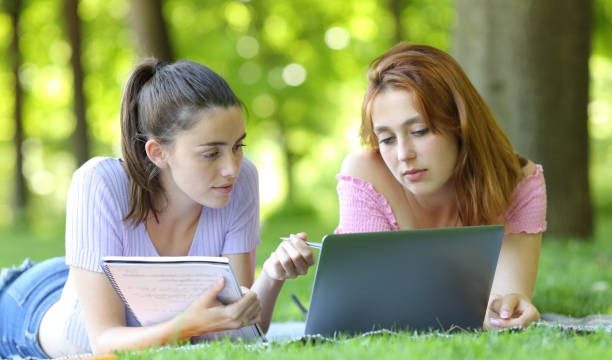
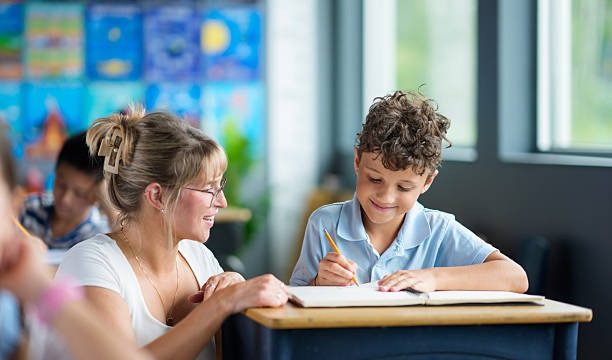
In a world that is increasingly focused on technology, the classroom is evolving into a vibrant, interactive space where learning becomes an engaging experience rather than a mere transfer of information.
As educators strive to inspire creativity and critical thinking, they are turning to various tools that enhance student interaction and involvement.
These tools not only make lessons more captivating but also foster a sense of community among students.
One of the most transformative tools in modern education is the interactive whiteboard. Gone are the days of static chalkboards and dry-erase markers. Interactive whiteboards allow teachers to display dynamic content, from videos to interactive quizzes, making lessons visually stimulating. Students can participate directly by touching the screen, dragging and dropping elements, or even solving problems in real-time. This hands-on approach encourages them to engage actively with the material, making learning feel like a collaborative adventure.
Another exciting innovation is the use of educational apps and platforms that promote student-centered learning. Platforms such as Kahoot! and Quizizz have gained popularity for their ability to turn assessments into fun games. By integrating friendly competition, these tools motivate students to participate and retain information better. Teachers can create quizzes tailored to their lessons, allowing students to learn at their own pace while enjoying the interactive nature of these platforms. The laughter and excitement that fill the room during a quiz can transform a regular lesson into a memorable experience.
Incorporating technology doesn’t stop at apps; it extends to the world of virtual reality (VR). Imagine stepping into a virtual ancient civilization or exploring the depths of the ocean without leaving the classroom. VR technology offers students immersive learning experiences that traditional methods simply cannot replicate. This tool opens up a world of possibilities, allowing students to visualize complex concepts and explore scenarios that might otherwise be abstract. The sense of wonder that accompanies these experiences encourages curiosity and deeper understanding.
As we embrace these advancements, it’s also essential to consider the role of collaborative tools in fostering communication and teamwork. Platforms like Google Classroom and Microsoft Teams have become staples in many educational settings, enabling seamless interaction between students and teachers. These tools allow for easy sharing of resources, assignments, and feedback, creating an environment where collaboration thrives. Students can work together on projects, share ideas, and provide support for one another, mirroring real-world dynamics in a safe and nurturing space.
Moving beyond technology, there is a gentle shift toward incorporating hands-on learning experiences that resonate with students on a personal level. For instance, project-based learning encourages students to engage deeply with a topic by working on real-world problems. This method not only enhances critical thinking skills but also allows students to take ownership of their learning. Whether it’s creating a sustainable garden or developing a community service project, these experiences help students connect their classroom knowledge to everyday life, fostering a sense of purpose and accomplishment.
In addition to these innovative tools and methods, the physical classroom environment plays a crucial role in promoting interactivity. Flexible seating arrangements, such as bean bags, standing desks, or collaborative tables, create an inviting atmosphere that encourages movement and interaction. When students feel comfortable and free to change their surroundings, they are more likely to engage in discussions and group activities. A thoughtfully designed space can inspire creativity and collaboration, making every lesson feel fresh and exciting.
As educators seek to create more interactive learning experiences, they are also recognizing the importance of incorporating mindfulness practices into the classroom. Techniques such as deep breathing, guided visualization, or short meditation breaks can help students center themselves and focus. By integrating these practices, teachers can create a calm and supportive environment where students feel safe to express their thoughts and ideas. This emotional balance is essential for fostering meaningful interactions and promoting a positive classroom culture.
While the tools and techniques mentioned above are instrumental in enhancing classroom learning, it is vital to remember that the heart of education lies in the relationships formed within the classroom. A supportive teacher-student dynamic can significantly impact a student’s willingness to participate and engage. When teachers take the time to connect with their students, show empathy, and encourage open dialogue, they create an environment where students feel valued and heard. This connection fosters a sense of belonging, motivating students to contribute actively to discussions and collaborative projects.
The journey toward a more interactive classroom is an ongoing process that requires creativity, adaptability, and a willingness to embrace change. As educators explore new tools and methods, they also inspire students to become active participants in their learning journeys. The joy of discovering new concepts, collaborating with peers, and engaging with the material can ignite a lifelong love for learning.
In conclusion, the tools that make classroom learning more interactive are not just technological gadgets; they represent a shift in the educational landscape toward a more engaging and inclusive approach. From interactive whiteboards to project-based learning and mindfulness practices, each tool plays a vital role in creating a dynamic learning environment. As we continue to explore and implement these innovations, we pave the way for a future where every student feels empowered to learn, grow, and thrive. The classroom is not just a place for acquiring knowledge; it is a community where ideas flourish and connections deepen, making the learning experience truly enriching for everyone involved.