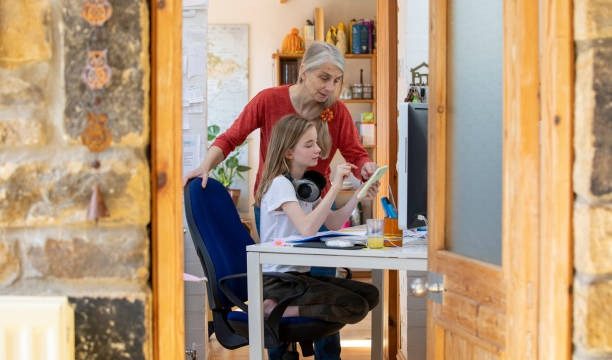
In the hustle and bustle of modern life, the art of communication often gets overshadowed by the noise around us.
Yet, it is through our interactions that we can foster a sense of peace, both within ourselves and in our communities.
By embracing certain communication practices, we can cultivate relationships that are not only harmonious but also enriching.
One of the most profound ways to enhance our communication is by practicing active listening. This simple yet powerful technique invites us to be fully present in conversations. When we listen actively, we set aside our own thoughts and distractions, allowing the other person to express their feelings and ideas without interruption. This act of genuine attention not only helps us understand the speaker better but also fosters a deeper connection. Imagine the difference it makes when someone feels truly heard; it can turn an ordinary exchange into a meaningful dialogue.
Equally important is the way we choose our words. The language we use can either build bridges or create walls. By opting for kind and gentle expressions, we can convey our thoughts without causing unnecessary friction. For example, instead of saying “You always do this,” we might reframe our statement to, “I feel upset when this happens.” This subtle shift transforms a potentially confrontational statement into an opportunity for understanding. By focusing on our feelings rather than blaming others, we invite compassion into our conversations.
A small shift toward balance can be achieved through the practice of non-verbal communication. Our body language, facial expressions, and tone of voice all play essential roles in how our messages are received. A warm smile or an open stance can create an inviting atmosphere, encouraging others to engage with us more freely. Conversely, crossed arms or a tense expression might signal defensiveness, leading to misunderstandings. By being mindful of our non-verbal cues, we can enhance our interactions and promote a more peaceful exchange.
As we navigate our communications, it’s also vital to be aware of the context in which conversations take place. Timing can significantly influence how our messages are received. Approaching a sensitive topic during a moment of stress or distraction may not yield the best results. Instead, choosing a calm and comfortable setting can make a world of difference. When both parties feel at ease, they are more likely to engage in open and constructive dialogue.
In addition to being mindful of others, it’s essential to cultivate self-awareness in our communication practices. Taking a moment to reflect on our emotions before entering a conversation can help us articulate our thoughts more clearly. When we understand our feelings, we are better equipped to express them effectively. This self-awareness not only improves our communication but also enhances our emotional intelligence, allowing us to connect more authentically with others.
Embracing empathy is another cornerstone of peaceful communication. It involves stepping into another person’s shoes, trying to understand their perspective, and acknowledging their feelings. When we approach conversations with empathy, we create a safe space for vulnerability. This can lead to more profound connections and a greater sense of trust. Even in disagreements, empathy can soften tensions, allowing us to find common ground and work toward resolution.
It’s also essential to practice patience in our communications. In a world that often values speed and efficiency, taking the time to process our thoughts and feelings can feel like a luxury. Yet, patience allows for more thoughtful interactions. When we give ourselves and others the time to express themselves fully, we create opportunities for clarity and understanding. This practice can be especially beneficial in difficult conversations, where emotions may run high.
As we strive for peaceful living through our communication practices, it’s important to recognize the power of gratitude. Expressing appreciation for others can elevate our interactions and foster goodwill. A simple “thank you” or acknowledging someone’s efforts can create a ripple effect of positivity. Gratitude not only strengthens relationships but also enhances our overall well-being, allowing us to approach life with a more open heart.
Mindfulness can also play a significant role in our communication practices. By being present in the moment, we can engage with others more authentically. Mindful communication encourages us to pause, breathe, and reflect before responding. This practice can help us avoid knee-jerk reactions that might escalate conflicts. Instead, we can respond thoughtfully, with intention and care, which paves the way for more peaceful exchanges.
In our quest for peaceful living, it’s crucial to acknowledge that not every conversation will be easy. Disagreements are a natural part of human interaction. However, how we navigate these moments can define the quality of our relationships. Approaching conflicts with a spirit of curiosity rather than defensiveness can transform challenges into opportunities for growth. By asking open-ended questions and seeking to understand the other person’s viewpoint, we can foster a collaborative spirit that encourages resolution.
In conclusion, the practices of communication that we adopt can significantly influence our experiences and relationships. By embracing active listening, choosing our words thoughtfully, and cultivating empathy, we can create an environment of peace and understanding. Small shifts in our approach—such as being mindful of our non-verbal cues and expressing gratitude—can lead to profound changes in how we connect with others. As we strive for peaceful living, let us remember that each interaction is an opportunity to build bridges and foster harmony in our world. Through these gentle yet powerful practices, we can contribute to a more peaceful and compassionate society, one conversation at a time.