Creating a Classroom Culture That Supports Critical Thinking
In today’s fast-paced world, the ability to think critically is more important than ever.
Within the walls of a classroom, educators have a unique opportunity to cultivate this essential skill in their students.
But how do we create an environment that encourages questioning, exploration, and thoughtful analysis? By nurturing a classroom culture that values critical thinking, we can empower students to become not just learners, but thinkers and innovators.
Fostering an Open Environment
At the heart of critical thinking lies the importance of an open and safe environment. When students feel comfortable expressing their thoughts and ideas, they are more likely to engage in discussions that challenge their perspectives. It’s essential for educators to establish a space where questions are welcomed, and curiosity is encouraged. This can be achieved by actively listening to students, validating their contributions, and creating a non-judgmental atmosphere.
Encouraging Dialogue
Communication is a cornerstone of critical thinking. By promoting open dialogue, educators can inspire students to articulate their thoughts and consider alternative viewpoints. Group discussions, debates, and collaborative projects provide platforms for students to share their ideas while also learning to respect differing opinions. Encouraging students to engage in constructive conversations helps them develop the ability to evaluate arguments, analyze evidence, and refine their thinking processes.
Incorporating Diverse Perspectives
A classroom that embraces diversity in thought and experience can significantly enhance critical thinking. By incorporating a variety of perspectives into lessons, educators can challenge students to think beyond their own experiences. This might involve bringing in guest speakers, exploring literature from different cultures, or examining historical events through multiple lenses. When students are exposed to a wide range of viewpoints, they learn to appreciate complexity and nuance, essential components of critical thinking.
Promoting Inquiry-Based Learning
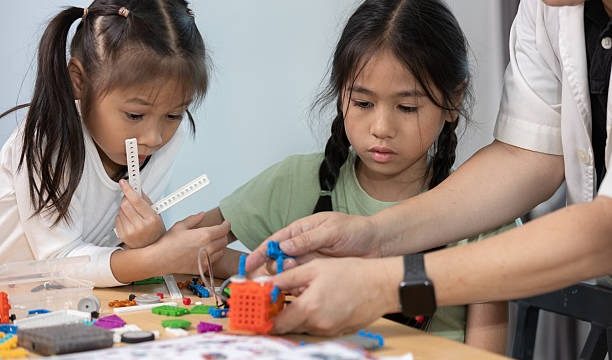
Inquiry-based learning is a powerful approach that places students at the center of their educational journey. By encouraging students to ask questions and pursue their interests, educators can foster a sense of ownership over their learning. This method not only promotes critical thinking but also ignites a passion for discovery. Educators can facilitate inquiry by providing opportunities for research, hands-on projects, and real-world problem-solving that align with students’ interests and curiosities.
Encouraging Reflection
Reflection is a vital part of the critical thinking process. It allows students to evaluate their understanding and assess their thought processes. Educators can encourage reflection by incorporating journaling, group discussions, or one-on-one conferences. When students take the time to reflect on their learning experiences, they begin to recognize patterns in their thinking and develop a deeper understanding of the material. This practice not only enhances critical thinking skills but also fosters a growth mindset.
Modeling Critical Thinking
Teachers play a crucial role in demonstrating critical thinking. By modeling the thought processes involved in analyzing information, making decisions, and solving problems, educators can provide students with valuable insights into how to approach challenges. When teachers share their own thinking aloud, they can illustrate the importance of considering multiple perspectives, weighing evidence, and drawing conclusions based on sound reasoning. This transparency not only inspires students but also equips them with practical strategies they can apply in their own thinking.
Creating a Supportive Community
A supportive classroom community is essential for nurturing critical thinking. When students feel connected to their peers and their teacher, they are more likely to take intellectual risks. Building relationships through team-building activities, collaborative projects, and shared experiences fosters a sense of belonging. This connection creates a safe space for students to express their ideas, challenge each other, and engage in meaningful discourse. A strong classroom community encourages students to support one another in their quest for knowledge and understanding.
Integrating Technology Thoughtfully
In an increasingly digital world, technology can be a valuable tool for enhancing critical thinking. Educators can leverage online resources, interactive platforms, and multimedia content to engage students in complex issues and encourage exploration. However, it’s important to integrate technology thoughtfully, ensuring that it complements the learning objectives rather than detracting from them. By using technology to facilitate research, collaboration, and creative expression, educators can empower students to think critically in a digital age.
Celebrating Mistakes as Learning Opportunities
Mistakes are an inevitable part of the learning process. By reframing errors as opportunities for growth, educators can help students develop resilience and a willingness to take risks in their thinking. Creating a culture that normalizes mistakes encourages students to experiment, explore, and ultimately learn from their experiences. When students understand that failure is a stepping stone to success, they are more likely to engage in critical thinking without the fear of being wrong.
Nurturing Curiosity
Curiosity is the driving force behind critical thinking. Educators can cultivate a sense of wonder by encouraging students to ask questions and explore topics that pique their interest. This can be done through open-ended assignments, exploratory projects, or simply by allowing time for students to pursue their inquiries. When curiosity is nurtured, students are more likely to engage deeply with the material and develop a genuine desire to understand the world around them.
In conclusion, creating a classroom culture that supports critical thinking involves intentional efforts to foster openness, encourage dialogue, and promote inquiry. By modeling critical thinking, integrating diverse perspectives, and nurturing curiosity, educators can empower students to become thoughtful and engaged learners. As we work together to create environments that value critical thinking, we are not just preparing students for academic success but equipping them with the skills they need to navigate an increasingly complex world. In this way, we can inspire the next generation of thinkers, innovators, and problem solvers.