Academic Research for Better Classroom Performance
In the ever-evolving landscape of education, the quest for improved classroom performance remains at the forefront of both teachers’ and students’ aspirations.
While traditional methods have their place, recent academic research has shed light on innovative strategies that can enhance learning experiences and outcomes.
By understanding and applying these insights, educators and students alike can create a more enriching environment that fosters academic success.
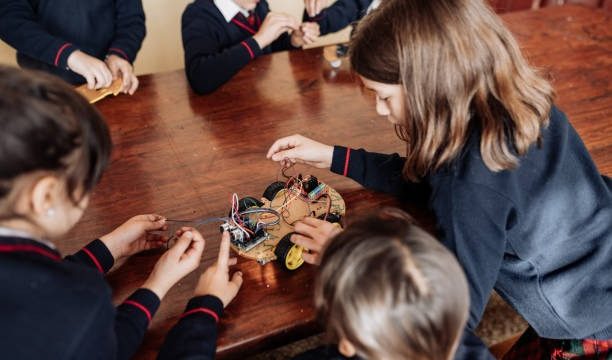
One of the most significant findings in educational research is the impact of active learning. Gone are the days when students were mere recipients of information, passively absorbing lectures. Today, research emphasizes the importance of engaging students in the learning process. This shift encourages a more interactive classroom atmosphere where students participate in discussions, collaborate on projects, and engage in problem-solving activities. Such strategies not only make learning more enjoyable but also help students retain information more effectively.
Creating a supportive classroom environment is another crucial aspect highlighted by academic studies. An atmosphere that promotes emotional safety allows students to express themselves without fear of judgment. Teachers can cultivate this environment by encouraging open communication, showing empathy, and being approachable. When students feel valued and understood, they are more likely to engage actively in their learning, which can lead to improved performance.
Moreover, the role of feedback in the learning process cannot be overstated. Research shows that timely and constructive feedback can significantly enhance student performance. Rather than waiting for the end of a term to provide evaluations, educators can offer insights throughout the learning process. This ongoing dialogue helps students understand their strengths and areas for improvement, motivating them to take ownership of their learning journey.
Incorporating technology into the classroom is another area where research has made a profound impact. Digital tools can facilitate personalized learning experiences, allowing students to progress at their own pace. For instance, educational apps and online resources enable learners to explore subjects that intrigue them, fostering a sense of autonomy in their education. Furthermore, technology can support diverse learning styles, ensuring that every student has the opportunity to thrive.
A gentle shift toward balance is also essential in the pursuit of academic excellence. While striving for high performance, it’s important for both students and teachers to recognize the value of well-being. Research indicates that a focus on mental health can positively affect academic outcomes. Incorporating mindfulness practices, promoting a healthy work-life balance, and encouraging breaks during study sessions can help reduce stress and enhance concentration. When students feel mentally and emotionally balanced, they are more prepared to tackle academic challenges.
Another fascinating area of research highlights the benefits of a growth mindset. This concept, popularized by psychologist Carol Dweck, emphasizes the belief that abilities and intelligence can be developed through dedication and hard work. By fostering a growth mindset in the classroom, educators can encourage students to embrace challenges, learn from failures, and persist in the face of adversity. This approach not only cultivates resilience but also empowers students to take risks in their learning, ultimately leading to better performance.
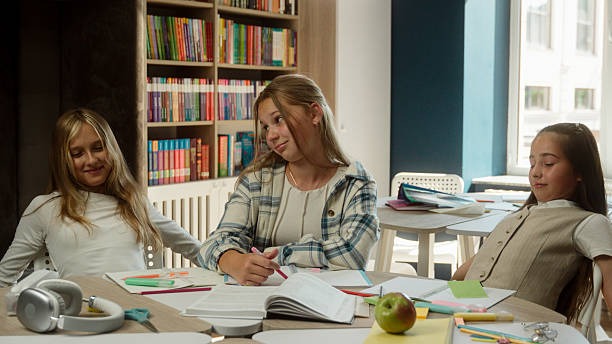
Collaboration among peers is yet another critical element that academic research has brought to light. Group work and cooperative learning can enhance understanding and retention of material. When students collaborate, they have the opportunity to share diverse perspectives, challenge each other’s ideas, and deepen their comprehension of the subject matter. This social aspect of learning can also foster a sense of community within the classroom, making the educational experience more enjoyable and rewarding.
Additionally, the importance of setting clear goals cannot be overlooked. Research indicates that students who set specific, achievable objectives tend to perform better academically. By helping students articulate their goals, teachers can guide them in creating actionable plans to reach those milestones. This process not only provides direction but also instills a sense of purpose in students’ academic pursuits.
As we navigate the complexities of modern education, it is essential to remember that every student is unique. Differentiated instruction, tailored to meet the diverse needs of learners, is a key takeaway from recent research. By recognizing and accommodating varying learning styles, interests, and paces, educators can ensure that all students have the opportunity to thrive. This individualized approach not only enhances performance but also fosters a love for learning that can last a lifetime.
In conclusion, the insights gained from academic research offer valuable guidance for enhancing classroom performance. By embracing active learning, fostering a supportive environment, providing timely feedback, and incorporating technology, educators can create a dynamic learning space. Additionally, promoting well-being, encouraging a growth mindset, facilitating collaboration, setting clear goals, and personalizing instruction can lead to remarkable improvements in academic outcomes. As we continue to explore the intersection of research and education, we open the door to a brighter future for students and teachers alike. Together, with an understanding of these principles, we can cultivate an enriching educational experience that empowers every learner to reach their full potential.