In a world where education often feels like a race against the clock, the importance of building connections in the classroom has never been clearer.
Formative assessment, a subtle yet powerful tool, plays a vital role in fostering these connections.
It’s not merely about grades or scores, but rather about understanding each student as an individual and creating a nurturing environment where they can thrive.
At its essence, formative assessment is a process that allows teachers to gauge student understanding throughout the learning experience. It involves collecting feedback in real-time, which can inform teaching strategies and help students reflect on their own learning journeys. This approach encourages a two-way dialogue between students and educators, fostering a sense of community and collaboration in the classroom.
Creating a supportive atmosphere starts with recognizing that every student comes with unique experiences, emotions, and learning styles. When educators utilize formative assessments, they can tailor their teaching to meet the diverse needs of their students. This personalized attention not only enhances academic understanding but also builds trust and rapport within the classroom. Students feel seen and valued when their individual learning paths are acknowledged.
One gentle way to integrate formative assessment into the classroom is through informal check-ins. These can take the shape of simple conversations or quick reflective exercises. For instance, asking students to share their thoughts on a lesson can provide invaluable insight into their comprehension and comfort levels. This practice not only opens up communication but also empowers students to take ownership of their learning. They become active participants in their educational journey rather than passive recipients of information.
As educators engage in this process, it’s essential to cultivate an atmosphere of openness and acceptance. When students feel safe to express their thoughts and concerns, they are more likely to share their struggles and successes. This sense of security is crucial for building meaningful connections. Teachers can encourage this environment by responding positively to student contributions, validating their feelings, and emphasizing that mistakes are a natural part of learning.
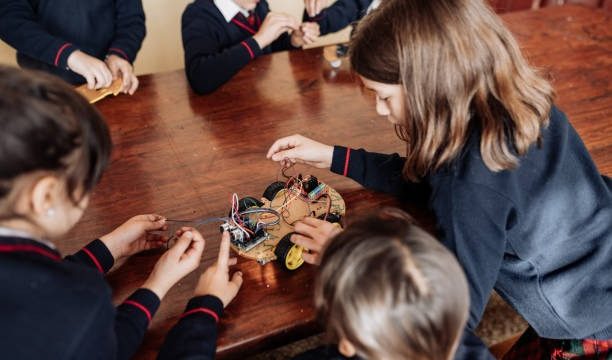
Embracing formative assessment also allows for a more dynamic classroom environment. Traditional assessments often create a rigid framework where students are pitted against one another, leading to undue stress and competition. In contrast, formative assessments encourage collaboration and peer support. Students can work together in small groups, sharing insights and strategies, which not only enhances their understanding but also nurtures friendships and camaraderie.
A small shift toward balance can be achieved by integrating various assessment methods that resonate with students’ strengths. Some may excel in verbal discussions, while others might prefer written reflections or creative projects. By diversifying assessment strategies, teachers can cater to different learning preferences and celebrate the unique talents of each student. This approach fosters a sense of belonging and encourages students to contribute in ways that feel authentic to them.
Moreover, formative assessment serves as a bridge between teachers and parents. Regular feedback can be shared with families, providing them with a glimpse into their child’s progress and areas for growth. Engaging parents in this conversation not only strengthens the home-school connection but also reinforces the idea that education is a collaborative effort. When families are informed and involved, they can better support their children’s learning journeys, creating a holistic support system.
As students receive feedback through formative assessments, it’s essential to frame it positively. Constructive feedback should be delivered in a way that encourages growth rather than discouragement. This delicate balance helps students view feedback as a tool for improvement rather than a judgment of their abilities. When they see that their efforts are recognized and appreciated, it boosts their confidence and motivates them to continue striving for success.
The beauty of formative assessment lies in its ability to adapt and evolve. Educators can continuously refine their approaches based on student needs and classroom dynamics. This flexibility not only enhances teaching effectiveness but also keeps the learning experience fresh and engaging. Students benefit from a classroom that is responsive to their needs, creating a vibrant environment where they feel empowered to explore and express themselves.
Incorporating formative assessment into the classroom also encourages reflection among educators. Teachers can regularly evaluate their own practices, considering what works and what doesn’t. This self-reflection fosters professional growth and encourages a mindset of lifelong learning. When educators model this behavior, they inspire their students to embrace a similar approach, instilling a love for learning that extends beyond the classroom walls.
Ultimately, building connections in the classroom through formative assessment is about nurturing relationships. It’s about creating a space where students feel valued, understood, and supported. As educators embrace this approach, they not only enhance academic outcomes but also cultivate a culture of respect and empathy. In this nurturing environment, students are free to explore their potential, develop their identities, and forge lasting bonds with their peers and teachers.
In conclusion, formative assessment is more than just a strategy for measuring learning; it’s a pathway to building meaningful connections in the classroom. By fostering open communication, embracing diverse learning styles, and encouraging a culture of reflection, educators can create a supportive environment that honors each student’s unique journey. As we continue to navigate the complexities of education, let us remember that at the heart of learning lies the connections we build with one another. It is these connections that ultimately enrich the educational experience, creating a community where everyone can thrive together.