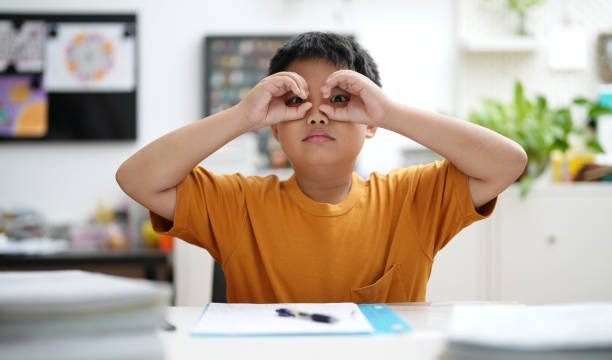
In today’s diverse world, the concept of inclusive education has gained significant traction.
It’s not just a trend; it’s a vital approach that encourages respect and understanding among students of all backgrounds and abilities.
As we navigate the complexities of modern society, fostering an inclusive environment in our educational institutions is essential for nurturing empathy and compassion.
Inclusive education recognizes that every student is unique, with different strengths, challenges, and perspectives. This approach values diversity as a source of strength rather than a hurdle to overcome. By creating a learning environment that welcomes all individuals, educators can help students develop a deeper understanding of themselves and others. It’s a gentle reminder that everyone has something valuable to contribute.
A small shift toward balance can have a profound impact on the school experience. When classrooms embrace inclusivity, students learn to appreciate differences in a meaningful way. Rather than viewing diversity as a barrier, they begin to see it as an opportunity to learn from one another. This shift encourages respect for all, fostering a sense of belonging that is vital for emotional and social well-being.
Empathy is a critical skill that can be nurtured through inclusive education. When students engage with peers who have different experiences, they gain insights that transcend their own. This exposure helps build emotional intelligence, allowing them to better understand and relate to the feelings of others. By participating in collaborative projects and discussions, students learn to appreciate various viewpoints, which cultivates a culture of respect and understanding.
Creating an inclusive classroom is not solely the responsibility of educators; it requires the involvement of the whole community. Families, administrators, and support staff all play essential roles in promoting an environment where everyone feels valued. Open communication among these groups helps to ensure that the needs of all students are met. When families are actively involved in their children’s education, it reinforces the message that diversity is something to be celebrated.
One of the most powerful outcomes of inclusive education is the development of friendships that cross traditional boundaries. When students interact with peers who may have different abilities or backgrounds, they often find common ground. These friendships can lead to a more harmonious school environment, where students feel safe and supported. The bonds formed in an inclusive setting can last a lifetime, shaping perspectives and attitudes long after graduation.
Moreover, inclusive education prepares students for the real world. Society is inherently diverse, and the ability to navigate different cultures, abilities, and perspectives is vital in today’s workforce. By experiencing inclusivity in school, students are better equipped to thrive in a variety of environments, both professional and personal. They learn to communicate effectively, collaborate with diverse groups, and approach challenges with an open mind.
As we reflect on the importance of inclusive education, it’s essential to recognize the role of teachers in this journey. Educators who embrace inclusivity often go beyond traditional teaching methods. They seek to create engaging, adaptable lesson plans that cater to varied learning styles. This flexibility not only benefits students with special needs but enriches the learning experience for everyone.
The presence of support staff, such as counselors and special education professionals, further enhances the inclusive experience. These individuals bring expertise and resources that help address the unique challenges some students may face. Their involvement ensures that all learners receive the support they need to succeed, reinforcing a culture of understanding and respect.
A commitment to inclusive education also extends to the curriculum. Incorporating diverse perspectives into lessons helps students see the world through different lenses. Literature, history, and art can all be enriched by exploring the contributions of various cultures and communities. This approach not only broadens students’ horizons but also fosters a sense of pride in their own identities.
As we move forward, it’s vital to continue advocating for inclusive practices in all educational settings. This advocacy can take many forms, from policy changes at the institutional level to grassroots movements that promote awareness and understanding. By working together, we can create a future where every student feels valued and empowered to reach their full potential.
Ultimately, inclusive education is about more than just academic achievement; it’s about nurturing well-rounded individuals who understand the importance of respect and empathy. As students learn to appreciate diversity, they become advocates for change in their communities. This ripple effect can lead to a more compassionate world, where understanding and acceptance are the norms rather than the exceptions.
In conclusion, embracing inclusive education is a journey that requires the collective effort of educators, families, and communities. By fostering an environment that encourages respect and understanding, we prepare the next generation to thrive in a diverse world. It’s a beautiful process of growth, one that benefits not just students, but society as a whole. Through inclusivity, we can build bridges of understanding that will last a lifetime, enriching our communities and the lives of those within them.