In today’s ever-evolving educational landscape, the concept of inclusive education has emerged as a guiding light, offering hope and opportunities for all learners.
At its core, inclusive education is about recognizing and embracing the diverse needs of students, ensuring that everyone has a chance to thrive academically and socially.
This approach not only benefits those with specific learning needs but enriches the entire classroom environment, fostering a sense of belonging that promotes positive growth.
Understanding the essence of inclusive education begins with the acknowledgment that every student is unique. Each child comes with their own set of experiences, strengths, and challenges. By creating a learning environment that values these differences, educators can help students feel more engaged and motivated. This sense of belonging is crucial, as it lays the foundation for academic success. When students feel accepted, they are more likely to participate actively in class discussions and collaborative projects, leading to a deeper understanding of the material.
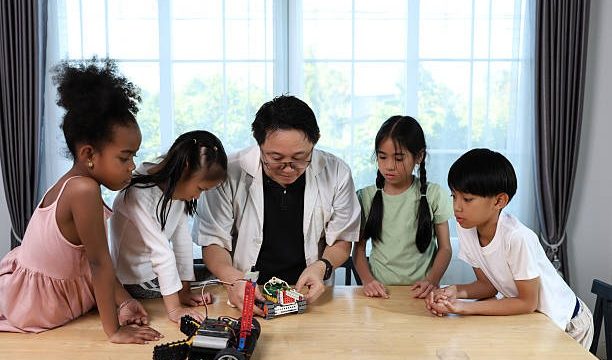
A small shift toward balance can have a significant impact on how students perceive their education. Instead of viewing the classroom as a competitive space, inclusive education encourages cooperation and teamwork. Teachers can design group activities that require students to work together, allowing them to learn from each other’s strengths. This collaborative approach not only enhances academic skills but also nurtures social-emotional development. When students support one another, they build friendships that can last a lifetime, creating a supportive network that extends beyond the classroom walls.
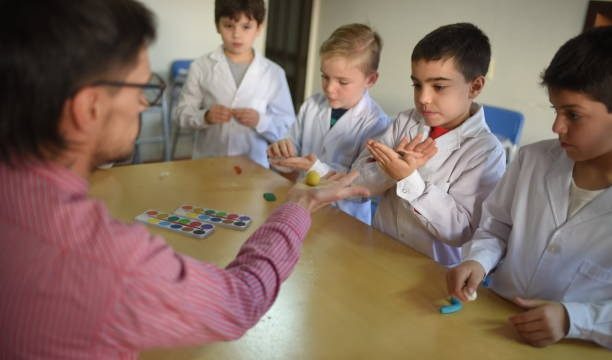
Creating an inclusive environment requires thoughtful planning and flexibility from educators. This means adapting teaching methods to cater to various learning styles and needs. For example, some students may excel in visual learning while others thrive in auditory settings. By incorporating a mix of teaching techniques, such as hands-on activities, visual aids, and discussions, teachers can engage a wider range of students. This adaptability not only benefits those with learning differences but also enriches the experience for all learners, as diverse perspectives enhance classroom discussions and activities.
Moreover, fostering an inclusive classroom is not solely the responsibility of teachers. It involves the entire school community, including administrators, support staff, and families. When everyone collaborates to create an inclusive culture, the impact is profound. Schools can host workshops to educate staff on inclusive practices and the importance of empathy in education. Families can be involved by sharing their child’s unique experiences and needs, helping educators understand how best to support their learning journey. This partnership between home and school creates a united front, enhancing the overall educational experience for students.
As we delve deeper into the concept of inclusive education, it becomes clear that the benefits extend far beyond academic achievement. Students who experience inclusive environments are often better equipped to navigate the complexities of the world around them. They learn valuable skills such as empathy, communication, and problem-solving, which are essential for their personal and professional lives. These skills are not just academic; they are life skills that prepare students to engage meaningfully with society.
One of the most beautiful aspects of inclusive education is its potential to cultivate a sense of empathy among students. When children learn alongside peers who may have different challenges, they develop a greater understanding of diversity. This awareness not only enriches their educational experience but also shapes their character. Empathy fosters kindness, respect, and acceptance, qualities that are vital for creating a harmonious society. As students learn to appreciate each other’s differences, they become more compassionate individuals, ready to contribute positively to their communities.
In the pursuit of inclusive education, it is essential to recognize that challenges may arise. Teachers and schools may face obstacles such as limited resources or varying levels of training in inclusive practices. However, these challenges are not insurmountable. With a commitment to continuous learning and improvement, educators can find innovative solutions that promote inclusivity. This might involve seeking out professional development opportunities, collaborating with special education experts, or even leveraging technology to enhance learning experiences.
As we reflect on the journey toward inclusive education, it is important to celebrate the small victories along the way. Each instance of a student helping a classmate, or a teacher adapting a lesson to meet diverse needs, contributes to a larger movement toward acceptance and understanding. These moments remind us that every effort counts and that positive change is possible through collective action.
Ultimately, inclusive education is about creating a nurturing environment where every student can flourish. It is a vision that calls for compassion, creativity, and collaboration. As we embrace the principles of inclusivity, we pave the way for a brighter future where all learners can achieve their full potential. By fostering a culture of acceptance and support, we can ensure that our educational systems not only educate but also empower our youth to become the leaders of tomorrow.
In conclusion, inclusive education serves as a powerful catalyst for positive academic growth and personal development. By embracing diversity and fostering an environment of empathy, we can help shape a generation that values understanding and cooperation. The journey may be challenging, but the rewards are immeasurable. Together, let us continue to advocate for inclusive practices that uplift every student, creating a world where every learner can shine brightly.