Swimming is widely celebrated as a low-impact exercise that engages the whole body, from the arms and shoulders to the core and legs.
While it is gentler on the joints than running or weightlifting, swimming can still leave muscles feeling tight or fatigued if proper care is not taken afterward.
Maintaining loose, relaxed muscles after swimming is key to recovery, preventing soreness, and improving overall performance in the water. With mindful techniques, swimmers of all levels can enjoy the benefits of a fluid, tension-free body long after leaving the pool.
One of the simplest ways to keep muscles loose after swimming is to incorporate a cool-down routine. Just as warming up prepares the body for exercise, cooling down helps gradually lower heart rate and allows muscles to transition from intense activity to a relaxed state. Slow, easy laps at a reduced pace provide gentle movement that prevents stiffness and encourages blood flow to fatigued muscles. Even five to ten minutes of easy swimming can make a noticeable difference in how the body feels afterward.
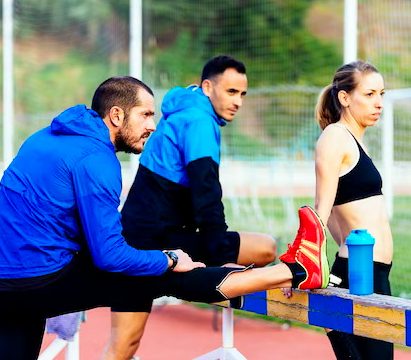
Stretching is another effective method for reducing post-swim tightness. Targeting major muscle groups used in swimming, such as shoulders, chest, back, hips, and legs, helps maintain flexibility and prevent tension buildup. Static stretches held for twenty to thirty seconds allow muscles to lengthen safely without forcing them. For example, gently reaching one arm across the chest and using the opposite hand to support it stretches the shoulder and upper back, while a seated forward bend can help loosen the hamstrings and lower back. Consistent stretching promotes long-term mobility and comfort in the water.
Hydration plays a surprisingly important role in muscle recovery. Swimming may not feel as sweaty as running, but the body still loses fluids during exercise. Proper hydration supports circulation, nutrient delivery, and the removal of metabolic byproducts that can contribute to stiffness. Drinking water before, during, and after swimming ensures that muscles remain supple and well-nourished. Adding a light snack with protein and carbohydrates after a session can further aid recovery by replenishing energy stores and supporting tissue repair.
Massage and self-massage techniques are useful for loosening tight muscles. Gentle rubbing, kneading, or rolling targeted areas, such as the calves, quadriceps, and shoulders, helps stimulate blood flow and reduce tension. Foam rollers or massage balls can be especially effective for deeper muscle groups. Taking a few minutes after swimming to perform these techniques not only eases discomfort but also promotes relaxation, creating a sense of well-being that complements physical recovery.
Temperature also influences how muscles respond after exercise. Alternating between warm and cool environments can help prevent stiffness. A warm shower or bath relaxes the muscles, increases circulation, and soothes any tension from swimming. Some swimmers find that gently moving in warm water after the main workout helps maintain suppleness. Conversely, briefly cooling the muscles can reduce inflammation in areas that feel sore or overworked. Paying attention to temperature cues allows muscles to recover efficiently and comfortably.
Breathing and mindfulness practices can indirectly support muscle relaxation. Swimming requires coordination between breath and movement, and carrying that focus into the post-swim routine can help the body release tension. Deep, controlled breathing encourages the nervous system to shift into a restorative state, calming muscles and reducing residual tightness. Simple techniques like inhaling slowly through the nose and exhaling gently through the mouth while stretching or massaging can amplify the benefits of recovery.
Maintaining a consistent routine is key to preventing muscle stiffness over time. Incorporating post-swim recovery habits into every session trains the body to adapt more efficiently. Over time, muscles become more resilient and flexible, and the likelihood of soreness diminishes. Swimmers who combine cool-down swimming, stretching, hydration, and self-massage consistently find that they feel lighter and more agile both in and out of the water.
Paying attention to muscle imbalances is another important factor. Swimming emphasizes certain muscles depending on stroke style, which can lead to uneven tension if some areas are overused. Regularly incorporating stretches and movements that address neglected muscles, such as chest openers or hip flexor stretches, helps maintain balance. Balanced muscle care prevents discomfort, supports posture, and improves overall technique, allowing for smoother, more efficient swimming.
Posture outside of the pool also affects how muscles feel after exercise. Sitting or standing with rounded shoulders or a slouched back can counteract the benefits of swimming, leading to tightness in the upper back and neck. Being mindful of posture and incorporating gentle exercises to reinforce proper alignment, such as standing tall with engaged core muscles or performing wall angels, can help keep the body relaxed and reduce tension accumulation.
Light mobility exercises performed after swimming are particularly effective for maintaining looseness. Simple movements such as shoulder rolls, ankle circles, or gentle torso twists keep joints supple and muscles engaged without strain. Unlike intense workouts, these exercises focus on fluidity and controlled motion, encouraging muscles to move naturally and preventing stiffness from settling in. Repeating these exercises regularly reinforces flexibility and coordination in daily activities.
Another practical method to support muscle relaxation is foam or water-based flotation. Gentle stretching or rolling while partially supported by a flotation device in the pool can enhance mobility while reducing gravitational pressure on muscles. This approach allows for low-impact stretching and recovery, particularly beneficial for those recovering from fatigue or minor aches. Being supported by the water makes movements feel lighter and promotes longer, more controlled stretches.
Listening to the body is essential for effective post-swim care. Tightness or discomfort can be a signal that muscles need attention or that intensity during the session was high. Respecting these signals and responding with gentle care rather than forcing movement helps prevent injury. Over time, swimmers develop a heightened awareness of their bodies, allowing them to adjust technique, pace, and recovery routines for optimal comfort and performance.
In addition to physical practices, mental relaxation complements muscle recovery. Taking a few moments to sit or lie quietly after swimming, focusing on breath, or visualizing fluid movement in the water helps reduce tension in the nervous system. Mental calmness can translate into physical relaxation, making muscles feel looser and more responsive. Combining mental and physical strategies creates a holistic approach to post-swim recovery that benefits overall well-being.
In conclusion, keeping muscles loose after swimming involves a combination of gentle movement, stretching, hydration, temperature management, and mindfulness. Cool-down laps, static stretches, light massage, and attention to posture all contribute to longer-lasting comfort and reduced tension. Consistent practice and awareness of muscle balance and fatigue help swimmers maintain flexibility and enjoy smoother, more effortless movement in the water. By adopting thoughtful post-swim routines, anyone can enhance recovery, prevent stiffness, and make swimming an even more enjoyable and sustainable form of exercise.