In a world that often celebrates strength and endurance, the quiet power of flexibility is sometimes overlooked.
Yet, flexibility—both mental and physical—has a profound impact on how we move through life, handle challenges, and connect with ourselves and others.
It’s a quiet, gentle force that invites us to be more adaptable, resilient, and open to change. Whether it’s the way we bend in response to life’s unexpected twists or the way our bodies stretch to relieve tension, flexibility offers a soft yet powerful means of navigating both the physical and emotional landscapes of our existence.
When we think of flexibility, we often envision someone easily touching their toes or performing a graceful yoga pose. While physical flexibility is certainly part of the picture, the true essence of flexibility extends far beyond the body. It is a mindset, a way of approaching life’s challenges, and a key ingredient in cultivating inner peace and resilience. Flexibility isn’t about being completely malleable or always going with the flow. It’s about having the capacity to adjust, adapt, and respond in ways that preserve your well-being and allow you to move forward without breaking.
At its core, the gentle power of flexibility is about balance. Life is filled with both expected and unexpected changes. Some of these shifts are small—like an unplanned meeting at work or a change in your daily schedule. Others can be more significant, like a move to a new city, a shift in relationships, or a health challenge. In each of these situations, flexibility offers a way to manage stress and uncertainty. Instead of resisting change, flexibility allows us to meet it with an open heart and mind, ready to adapt without losing our center.
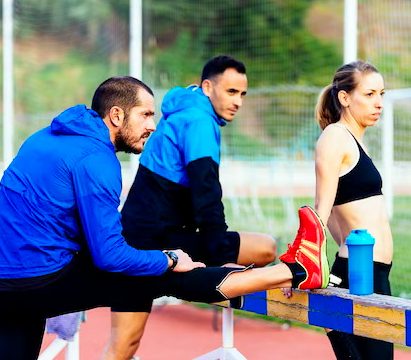
Physical flexibility is perhaps the most widely recognized form of flexibility. Our bodies are designed to bend, stretch, and move in a variety of ways, yet modern life often leads us into sedentary habits that can create tightness and discomfort. Whether we spend hours sitting at a desk, standing in one place for long periods, or simply not moving our bodies in ways that challenge our muscles, our physical flexibility can become restricted.
This is where the practice of stretching and mindful movement comes in. Stretching exercises are a powerful way to restore flexibility to the body, releasing tension and increasing circulation. Regular stretching helps keep the muscles and joints supple, reducing stiffness and improving posture. It also promotes relaxation by soothing the nervous system, helping to release built-up stress. Whether it’s a gentle stretch in the morning, a few deep breaths during the workday, or a dedicated yoga session, stretching allows us to maintain and even improve our physical flexibility, ultimately enhancing our overall health and well-being.
However, flexibility isn’t just about physical movement; it’s also about how we approach life’s challenges. Mental flexibility is the ability to adapt to changing circumstances and new information, as well as to let go of rigid beliefs or expectations. It’s the capacity to respond with openness and curiosity, rather than reacting with resistance or frustration. When we cultivate mental flexibility, we can more easily embrace the unknown, handle stress with grace, and adjust our plans when needed.
Think of mental flexibility as a kind of inner stretching. It’s the ability to “bend” your thinking when things don’t go according to plan. For example, when faced with an unexpected situation—such as a change in work responsibilities, a sudden life event, or an unexpected setback—mental flexibility allows you to stay calm and assess the situation without immediately jumping to conclusions or getting overwhelmed. It invites you to step back, take a deep breath, and explore the possibilities that arise from the new reality, rather than clinging to what was once expected.
Practicing mindfulness is one of the best ways to develop mental flexibility. Mindfulness encourages a non-judgmental awareness of the present moment. By focusing on the here and now, we can begin to notice when our thoughts are becoming rigid or fixed. It’s easy to get caught up in the “shoulds” and “musts” of life, but mindfulness helps us step out of that mental loop, allowing us to observe and accept our thoughts without being bound by them. Through this practice, we develop greater emotional awareness and can approach challenges with an open and flexible mindset.
Just as mental flexibility helps us navigate life’s challenges, emotional flexibility helps us process our feelings without getting overwhelmed or stuck. Emotional flexibility is the ability to experience a wide range of emotions while maintaining a sense of balance and perspective. Life can be filled with moments of joy, sadness, frustration, and everything in between, but emotional flexibility enables us to move through these feelings without letting them define us.
When we are emotionally flexible, we are able to feel our emotions fully without being consumed by them. For example, when facing disappointment, instead of getting trapped in negative thought patterns, we acknowledge the feeling of disappointment, allow ourselves to feel it, and then move forward. We may feel sadness, but we don’t let it stop us from continuing our journey. Emotional flexibility also helps us avoid rigid thinking, such as the tendency to label things as “good” or “bad.” It encourages us to see emotions as transient experiences that are part of the larger flow of life.
This emotional flexibility can also deepen our relationships. By being more open and adaptable in how we relate to others, we create a space for greater understanding and connection. Flexibility in relationships means being able to listen with an open heart, adjust expectations when needed, and meet others where they are, without demanding perfection. It involves being forgiving and compassionate, both with ourselves and with others, recognizing that everyone is on their own journey and that growth often comes from unexpected places.
Ultimately, the gentle power of flexibility is rooted in acceptance. It’s about embracing the ebb and flow of life, with all of its changes, challenges, and uncertainties. Flexibility allows us to remain anchored, even when the winds of change are strong. It’s the ability to bend without breaking, to adapt without losing ourselves, and to flow through life with a sense of ease rather than resistance. Flexibility teaches us that we don’t need to control everything to be at peace; instead, we can trust that by staying adaptable and open, we will find our way.
There are many ways to cultivate flexibility in your life, and the journey is unique to each person. Whether you’re focusing on improving your physical flexibility through stretching and yoga, working on mental flexibility through mindfulness practices, or developing emotional flexibility by embracing your feelings without judgment, every step you take brings you closer to a more balanced, resilient, and peaceful life.
As you explore the art of flexibility, it’s important to remember that flexibility is not about perfection. It’s not about becoming someone who is always calm, always adaptable, or always stretching. It’s about learning to bend and stretch in ways that feel good to you. It’s about developing the ability to adjust when things don’t go according to plan and to embrace change as an opportunity for growth. Flexibility is not a destination—it’s a lifelong practice, one that brings strength, ease, and grace into our lives, allowing us to move through each day with a gentle power that nurtures both our bodies and our hearts.