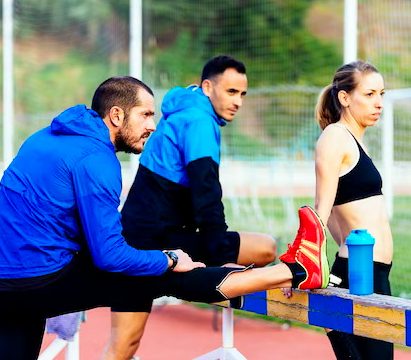
Flexibility is often associated with physical ability, like stretching muscles or performing yoga poses, but true flexibility extends far beyond the body.
It begins from within, rooted in mindset, emotional balance, and self-awareness.
Developing internal flexibility allows individuals to adapt to change, respond to challenges with resilience, and approach life with a sense of ease and confidence. By cultivating flexibility from within, people can navigate both the predictable and unpredictable moments of life more gracefully, creating a foundation for personal growth, well-being, and lasting satisfaction.
Internal flexibility starts with self-awareness. Understanding personal habits, thought patterns, and emotional tendencies provides insight into areas where rigidity may exist. For example, noticing a tendency to resist change, overthink, or hold tightly to routines can highlight opportunities for growth. Self-awareness allows individuals to recognize these patterns without judgment and begin the process of consciously adapting to new circumstances. This awareness is the first step in creating flexibility from within, as it empowers people to respond rather than react to life’s challenges.
Mindset plays a crucial role in internal flexibility. A fixed mindset, characterized by a fear of failure or reluctance to explore new ideas, often leads to stress and frustration. In contrast, a flexible mindset embraces learning, experimentation, and the possibility of change. This does not mean abandoning goals or values; rather, it involves approaching life with curiosity and openness. By shifting the way we perceive challenges, setbacks, and unexpected events, internal flexibility transforms obstacles into opportunities for growth and self-discovery.
Emotional regulation is another key component of internal flexibility. Emotions are natural and fluid, and resisting them can create tension or burnout. Developing flexibility from within involves acknowledging emotions without judgment, understanding their sources, and allowing them to guide thoughtful decisions. This approach supports mental health, reduces impulsive reactions, and encourages compassionate responses toward oneself and others. Over time, emotional flexibility builds resilience, enabling individuals to maintain stability even in uncertain or challenging situations.
Breathing and mindfulness practices are practical ways to foster flexibility from within. Conscious breathing, meditation, or focused attention on the present moment helps create a calm and receptive internal state. These practices train the mind to pause, observe, and respond intentionally rather than reacting automatically. By consistently integrating mindfulness into daily life, individuals cultivate a flexible mental space that supports clearer thinking, better decision-making, and a sense of inner calm, which ultimately enhances adaptability in both personal and professional contexts.
Internal flexibility also involves cultivating patience. Change often requires time, and personal growth does not follow a linear path. Being patient with oneself, with circumstances, and with the pace of life allows flexibility to take root naturally. When individuals embrace patience, they are more willing to experiment, adjust, and learn from experiences without feeling pressured to achieve perfection immediately. This patience encourages sustainable growth and reinforces the confidence that adaptability is a skill developed gradually rather than instantly.
Perspective is another essential aspect of flexibility from within. The ability to view situations from multiple angles helps reduce rigidity and increases problem-solving capacity. By considering different interpretations or alternative approaches, individuals can adapt more effectively to challenges. This shift in perspective allows for creative solutions, improved communication, and a more balanced response to difficult circumstances. Internal flexibility, therefore, empowers individuals to see life with greater clarity and openness, enhancing both personal and relational well-being.
Resilience is closely tied to internal flexibility. Life inevitably presents setbacks, stress, and unexpected changes. Those who cultivate flexibility from within are better equipped to navigate these situations without becoming overwhelmed. Rather than resisting change or clinging to comfort zones, they adjust expectations, seek alternatives, and maintain a sense of control over their responses. Resilience built on internal flexibility supports mental health, encourages perseverance, and nurtures a sense of agency that contributes to overall life satisfaction.
Self-compassion is a powerful tool in developing internal flexibility. People often judge themselves harshly when routines are disrupted, goals are delayed, or mistakes occur. Practicing self-compassion allows individuals to accept imperfections as part of the human experience, reducing stress and enhancing adaptability. By treating oneself with kindness and understanding, internal flexibility is strengthened, making it easier to embrace change, recover from setbacks, and pursue growth without fear or rigidity.
Flexibility from within also supports relationships and social interactions. Open-mindedness, empathy, and adaptability improve communication and understanding in personal and professional connections. Flexible individuals are better able to navigate conflicts, appreciate differing perspectives, and respond thoughtfully to others’ needs. Internal flexibility encourages collaboration and cooperation, fostering environments where relationships can flourish and mutual growth is possible.
Incorporating internal flexibility into daily life involves consistent practice and reflection. Simple habits, such as pausing before reacting, considering alternative approaches to challenges, or reflecting on emotional responses, gradually strengthen adaptability. Journaling, mindful breathing, or brief meditative exercises can reinforce these skills, making flexibility a natural part of how one thinks, feels, and responds. Over time, these practices cultivate a resilient, open, and balanced internal state that supports well-being and personal development.
Internal flexibility also promotes a healthy balance between planning and spontaneity. While structure and routines are important, overly rigid schedules can stifle creativity and increase stress. By remaining open to adjustments and new possibilities, individuals create room for exploration, learning, and joyful experiences. This balance allows for productivity without rigidity and encourages a positive approach to both expected and unexpected events.
Physical health is indirectly supported by internal flexibility. Mental and emotional adaptability can reduce stress-related tension, improve sleep quality, and promote overall vitality. A flexible internal state encourages movement, relaxation, and balanced decision-making, contributing to better physical outcomes. By aligning internal flexibility with lifestyle habits, individuals create a holistic approach to well-being that encompasses body, mind, and spirit.
Ultimately, creating flexibility from within is about cultivating an internal environment that supports growth, resilience, and adaptability. It empowers individuals to navigate change, manage emotions effectively, and approach life with curiosity and openness. Internal flexibility encourages self-awareness, patience, and compassion, allowing people to respond thoughtfully to challenges rather than reacting with rigidity. By nurturing this skill, individuals can experience a life that feels balanced, resilient, and meaningful.
Developing internal flexibility begins with small, intentional steps. Start by observing thought patterns, emotional reactions, and habitual responses to change. Integrate mindfulness practices, allow space for experimentation, and practice patience with yourself. Reflect on experiences and remain open to adjusting approaches as needed. Over time, internal flexibility becomes a natural part of daily life, shaping responses, decisions, and interactions in ways that promote overall health and well-being.
By fostering flexibility from within, individuals create a foundation for a more adaptable, peaceful, and fulfilling life. This internal approach to flexibility enhances emotional resilience, mental clarity, personal growth, and social connection. It transforms challenges into opportunities and routines into supportive frameworks. Ultimately, creating flexibility from within allows individuals to navigate life with confidence, ease, and a deeper sense of harmony, making it a vital practice for long-term well-being and personal fulfillment.