Flexibility is often thought of in physical terms, but its benefits extend far beyond stretching muscles.
It plays a crucial role in overall health, influencing mental well-being, emotional resilience, and even the way we navigate daily challenges.
Developing flexibility is not just about touching your toes or bending gracefully; it is about cultivating adaptability in body, mind, and lifestyle.
Embracing flexibility can lead to a healthier life by fostering balance, reducing stress, and improving both physical and emotional functioning.
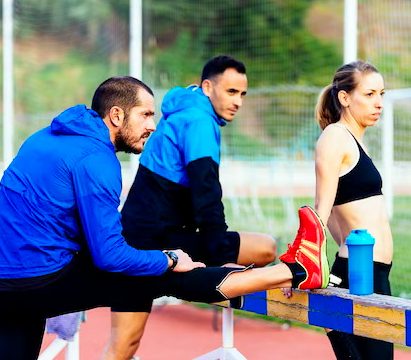
Physically, flexibility supports movement and reduces the risk of injury. Muscles and joints that can move through a full range of motion are less prone to strains, aches, or stiffness. This is particularly important as we age because maintaining mobility helps preserve independence and quality of life. Stretching, yoga, and gentle mobility exercises are practical ways to improve flexibility. These practices encourage circulation, enhance posture, and relieve tension in areas that often become tight from sitting or repetitive motions. Over time, physical flexibility becomes not only a source of comfort but also a foundation for overall vitality.
Mental flexibility is equally vital for a healthier life. The ability to adapt to change, adjust expectations, and remain open to new experiences can reduce stress and support mental clarity. Life is unpredictable, and rigid thinking often leads to frustration or anxiety. Those who cultivate mental flexibility are better equipped to navigate uncertainty, problem-solve effectively, and maintain a positive perspective even during challenging times. Developing this form of flexibility involves practicing mindfulness, embracing curiosity, and challenging habitual thought patterns that limit growth. It allows people to respond to life with creativity rather than reacting with fear or resistance.
Emotional flexibility contributes to resilience and well-being. Emotions naturally fluctuate, and trying to suppress or control them can create tension and emotional fatigue. Instead, acknowledging feelings and allowing them to flow without judgment helps maintain emotional balance. Flexible emotional responses foster healthier relationships, as individuals learn to communicate, empathize, and compromise without losing their sense of self. This flexibility encourages a compassionate and understanding approach to oneself and others, creating a supportive environment for personal growth and improved mental health.
Integrating flexibility into daily routines can make a significant difference in overall health. Simple adjustments such as stretching in the morning, taking short movement breaks throughout the day, or practicing deep breathing can enhance both physical and mental well-being. These small changes may seem minor, but their cumulative effect supports endurance, reduces tension, and promotes a calmer, more balanced state of mind. Flexibility does not require extreme effort; it thrives on consistency and awareness, helping individuals respond to life’s demands with ease.
Flexibility also enhances social health. Being open to different viewpoints, adapting to group dynamics, and communicating effectively all rely on flexible thinking. People who are rigid in their expectations may experience more conflict or stress in social interactions, while those who approach relationships with adaptability often find deeper connections and greater satisfaction. This kind of social flexibility encourages collaboration, empathy, and mutual respect, all of which contribute to a healthier and more fulfilling life.
Another dimension of flexibility is lifestyle adaptability. Health routines, diet, and fitness plans may need to shift due to changing schedules, energy levels, or personal goals. A flexible approach prevents discouragement and keeps individuals motivated. For example, modifying a workout routine to fit the day’s energy or swapping ingredients in a meal plan to accommodate availability supports sustainability and prevents frustration. Flexibility in lifestyle choices makes healthy living practical, enjoyable, and long-lasting rather than rigid and stressful.
Flexibility also nurtures a growth mindset, which is essential for long-term well-being. People who view challenges as opportunities to learn are more likely to engage in positive behaviors that enhance health, such as trying new forms of exercise, exploring relaxation techniques, or adjusting their habits to improve nutrition and sleep. This mindset fosters continuous improvement and self-compassion, allowing individuals to embrace their journey without harsh self-criticism. Flexibility becomes a tool for growth, making the pursuit of a healthier life feel empowering rather than burdensome.
The link between flexibility and stress management is particularly strong. When life presents unexpected obstacles, those with a flexible approach can adjust their plans, shift priorities, and maintain a sense of control without feeling overwhelmed. This adaptability reduces the physiological and psychological impact of stress, supporting heart health, immune function, and overall resilience. Practicing flexibility through mindfulness, reflection, or gentle movement can create a buffer against the negative effects of stress, promoting longevity and a greater sense of well-being.
Flexibility also improves sleep quality. Muscles that are relaxed and a mind that is calm both contribute to more restorative rest. Incorporating stretching or gentle movement before bed can release tension accumulated throughout the day, while mental and emotional flexibility reduces worry and overthinking, allowing the body to settle naturally. Good sleep, in turn, supports energy, focus, mood, and the body’s natural healing processes, creating a cycle of health that begins with adaptability.
Moreover, flexibility enhances overall physical performance. Whether engaging in sports, walking, or daily activities, the ability to move freely and respond to changing demands improves efficiency and reduces fatigue. It allows the body to distribute effort more evenly, preventing overuse of certain muscles and joints. Physical flexibility also encourages better coordination, balance, and posture, all of which contribute to a more active and independent lifestyle. This creates a foundation for long-term health and vitality.
Ultimately, flexibility is about more than movement; it is a mindset that influences every aspect of health. By embracing adaptability, individuals can cultivate resilience, maintain balance, and respond effectively to life’s challenges. Flexibility encourages gentle persistence, sustainable habits, and a compassionate approach to oneself and others. It allows for growth without pressure and supports a lifestyle that is both enjoyable and health-promoting.
Incorporating flexibility into daily life can begin with small, consistent actions. Taking a few minutes to stretch, practicing mindful breathing, or pausing to reconsider rigid thought patterns are simple ways to nurture flexibility. Over time, these practices compound, creating lasting benefits for the body, mind, and spirit. A flexible approach to life fosters well-being, reduces stress, and enhances overall quality of life, making it a vital component of a healthier, more balanced existence.
By integrating flexibility into physical routines, mental strategies, emotional responses, social interactions, and lifestyle choices, people can create a harmonious path to better health. Flexibility empowers individuals to embrace change, overcome challenges, and enjoy the journey of living with vitality and ease. A life enriched with flexibility is one where health is supported not only through discipline but through adaptability, curiosity, and an open-hearted approach to every day.