In our fast-paced lives, comfort is often something we take for granted until it’s disrupted.
Whether it’s the tightness in our back after a long day at the desk or the stiffness in our shoulders from carrying heavy bags, we often overlook the simple yet powerful role that flexibility can play in maintaining our comfort.
Flexibility isn’t just for athletes or yoga enthusiasts—it’s for everyone who wants to feel more at ease in their own body throughout the day. By incorporating flexibility into your daily routine, you can experience greater physical comfort, mental ease, and emotional balance.
Understanding the connection between flexibility and comfort starts with recognizing how flexibility affects the body. When we think of flexibility, we often imagine being able to stretch easily or perform complex yoga poses. But flexibility is about much more than just being able to touch your toes. It’s about the range of motion in your muscles and joints, which allows your body to move smoothly and efficiently. When your muscles and joints are flexible, your body is less likely to feel stiff or sore, and you can perform everyday tasks with greater ease.
Flexibility can directly improve your posture, which in turn reduces the physical strain on your body. Poor posture, often caused by sitting for long periods or standing in one position, can lead to discomfort and pain, particularly in the lower back, neck, and shoulders. By improving flexibility, especially in the spine, hips, and shoulders, you can maintain better posture and reduce the tension that builds up throughout the day.
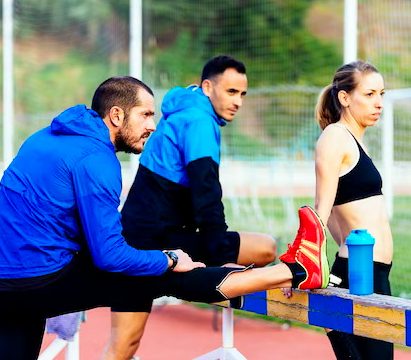
One of the simplest and most effective ways to increase flexibility is through gentle stretching. Stretching doesn’t need to be intense or time-consuming to make a significant impact on your comfort. Even just a few minutes of stretching each morning or evening can improve your flexibility, helping to release muscle tightness and promote better circulation. Focus on stretches that target the areas where you tend to feel the most tension, such as the lower back, neck, hamstrings, and shoulders.
For instance, a simple neck stretch can help ease the tightness that builds up from staring at a computer screen for hours. Gently tilting your head to one side and holding for a few breaths can help release the muscles in the neck and shoulders. Similarly, a seated forward fold stretch can lengthen the hamstrings and relieve lower back discomfort. These stretches can be done quickly, without the need for special equipment, and can bring immediate relief to your body.
Aside from stretching, another way to enhance flexibility is through mindful movement. Activities like yoga, Pilates, and tai chi emphasize fluid, intentional movements that promote flexibility and body awareness. Even if you only have a few minutes to spare, incorporating these movements into your routine can have lasting effects on your comfort and well-being. These practices encourage you to move with awareness, tuning into your body’s needs and paying attention to areas of tension. By practicing mindful movement regularly, you create a strong foundation for everyday comfort.
Flexibility also plays a crucial role in preventing injury. When our muscles and joints are stiff or inflexible, we are more prone to strains, sprains, and other injuries. On the other hand, when we maintain flexibility, our bodies are better equipped to handle sudden movements or physical demands. For example, if you drop something and quickly bend down to pick it up, having flexible hamstrings and lower back muscles can help prevent injury. Similarly, if you take part in any physical activity, whether it’s running, swimming, or playing sports, flexibility can improve your performance and reduce your risk of injury by allowing your body to move freely and comfortably.
But the benefits of flexibility extend beyond just the physical body. Our mental and emotional well-being are deeply connected to our physical state. When we feel tight, stiff, or uncomfortable in our bodies, it can affect our mood and stress levels. The physical discomfort from muscle tension or poor posture can lead to feelings of irritability or frustration. On the other hand, when we experience greater physical comfort, we’re able to approach the day with a more positive, calm attitude.
Practicing flexibility can also help reduce stress and anxiety. Stretching, breathing exercises, and mindful movement activate the parasympathetic nervous system, which is responsible for the body’s relaxation response. This helps to counteract the effects of stress and promotes a sense of calm and well-being. By dedicating time to practices that increase flexibility, you not only improve your physical comfort but also create space for mental relaxation and emotional balance.
As flexibility encourages relaxation, it also improves sleep. Many people struggle with discomfort or restlessness during the night, whether it’s due to tension in the neck or back or simply the inability to find a comfortable sleeping position. By incorporating stretching into your evening routine, you can relieve the built-up tension in your body and prepare your muscles for a restful night’s sleep. Gentle stretches, especially those that focus on the hips, back, and shoulders, can release the tightness that may prevent you from falling asleep easily. Stretching before bed is a calming way to signal to your body that it’s time to wind down, promoting better quality sleep and overall well-being.
Incorporating flexibility into your routine doesn’t require drastic changes or complicated workouts. It can be as simple as taking breaks to stretch throughout the day or adding short sessions of yoga or tai chi to your week. Flexibility is about creating a balance that works for your body and your lifestyle. You don’t need to be an athlete or a yoga expert to experience the benefits of flexibility. All it takes is a little time, attention, and intention.
Creating a flexible lifestyle also involves listening to your body and responding to its needs. If you notice that you’re feeling tight or uncomfortable, take a moment to stretch or move your body in a way that feels good. By becoming more attuned to your body’s signals, you can make small adjustments that improve your overall comfort throughout the day. Flexibility isn’t just about performing specific stretches—it’s about cultivating a mindset of adaptability and self-care, allowing you to respond to discomfort or tension before it becomes a larger issue.
Another key aspect of flexibility for everyday comfort is its ability to foster a sense of balance in your life. Physical flexibility allows you to move freely and comfortably, but mental flexibility enables you to approach life’s challenges with resilience. When you’re physically at ease, you’re more likely to feel calm and centered when faced with obstacles or stress. The ability to adapt and flow with life’s demands—whether it’s dealing with a busy workday, managing family responsibilities, or handling unexpected changes—becomes much easier when you’re not weighed down by physical discomfort.
Finally, flexibility promotes a lifestyle of self-care and mindfulness. When you prioritize your body’s comfort and well-being, you send a message to yourself that you are worthy of care and attention. Taking the time to incorporate flexibility practices into your daily routine is an act of kindness toward yourself. It’s a way to honor your body, reduce stress, and improve your overall quality of life. The more you make flexibility a part of your everyday habits, the more natural and effortless it will feel to move through life with comfort and ease.
Flexibility is not just about physical movement—it’s about creating a lifestyle that supports overall well-being. By incorporating stretches, mindful movement, and relaxation techniques into your routine, you can experience greater comfort, reduced stress, and improved quality of life. Flexibility allows your body to move with ease, your mind to stay calm, and your emotions to stay balanced. It’s an essential part of living a happy, healthy life, and it’s available to everyone—no matter your age, fitness level, or lifestyle. Make flexibility a priority in your day, and watch how it transforms your comfort, your mood, and your life.