Flexibility is often associated with physical movement, but its benefits extend far beyond the body.
Developing flexibility can enhance everyday strength, providing a foundation for resilience, balance, and overall well-being.
Strength does not always mean pushing harder or forcing outcomes; it can also mean moving with awareness, adapting with ease, and responding to life’s challenges in a thoughtful way. By embracing flexibility in both mind and body, we build a strength that supports daily living in practical and meaningful ways.
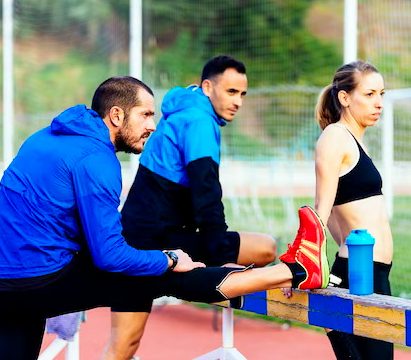
Physical flexibility forms a core part of everyday strength. Stretching muscles, practicing yoga, or engaging in gentle movement helps maintain joint mobility, posture, and coordination. These practices reduce the risk of injury and make routine activities easier, from lifting objects to climbing stairs. Regular physical flexibility encourages the body to move efficiently, preventing strain and discomfort. When the body feels agile, energy levels rise, and performing daily tasks becomes smoother and more comfortable. This foundation of physical strength enables a sense of freedom in movement, which contributes to confidence and overall vitality.
Mental flexibility complements physical flexibility, enhancing the ability to handle change and solve problems. Life often presents unexpected situations, and a rigid mindset can make even small disruptions feel overwhelming. By cultivating mental flexibility, we learn to approach challenges creatively and find alternative solutions. This ability to adapt reduces stress and increases efficiency, allowing us to navigate both personal and professional situations with ease. Mental flexibility supports decision-making, encourages learning from experiences, and fosters a mindset that views setbacks as opportunities for growth rather than obstacles.
Emotional flexibility is equally important for everyday strength. Life’s experiences can stir a wide range of emotions, from joy to frustration. Being emotionally flexible means acknowledging these feelings without judgment and responding in a measured way. This does not imply suppressing emotions; rather, it is about recognizing them, understanding their source, and choosing how to act. Emotional flexibility strengthens relationships, promotes resilience, and reduces the likelihood of impulsive reactions. When emotions are managed thoughtfully, everyday interactions become smoother, conflicts are handled more constructively, and personal well-being improves.
Flexibility also enhances the ability to maintain balance in daily routines. Schedules, responsibilities, and social commitments can create pressure, but a flexible approach helps us adjust without losing focus. Shifting priorities, rethinking approaches, or exploring alternative paths allows for a smoother flow through daily life. Flexibility does not mean abandoning goals; it means approaching them with adaptability. This mindset reduces frustration, conserves energy, and fosters a sense of accomplishment. By remaining flexible, we maintain consistency without rigidity, creating a sustainable approach to growth and productivity.
Incorporating flexibility into daily habits strengthens resilience over time. Small practices, such as adjusting plans when unexpected tasks arise, experimenting with different problem-solving strategies, or exploring new ways to approach routine activities, cultivate adaptability. These practices encourage confidence in handling change and promote a sense of competence. Every situation navigated with flexibility reinforces the idea that challenges can be met effectively, which builds enduring everyday strength. Flexibility becomes a skill honed through repeated practice rather than an abstract concept, creating tangible benefits in physical, mental, and emotional domains.
Relationships are strengthened through flexibility as well. Each person brings unique perspectives, needs, and habits, and a rigid approach can strain connections. By remaining open to compromise, listening attentively, and responding with empathy, relationships thrive. Flexibility allows for mutual respect and understanding, creating an environment where cooperation and communication flourish. It does not require sacrificing personal values but encourages thoughtful negotiation and appreciation of differences. This approach nurtures both personal growth and harmonious interactions, reinforcing strength in social and emotional contexts.
Learning to be flexible naturally supports lifelong growth. Curiosity and openness are key components, encouraging exploration of new ideas, habits, and skills. Being flexible allows you to step outside comfort zones, experiment with unfamiliar approaches, and embrace challenges without fear. This attitude nurtures learning and adaptation, both essential for personal and professional development. Growth is most sustainable when flexibility is present because it allows adjustments that align with evolving circumstances, values, and priorities.
Flexibility also helps maintain a sense of well-being in the face of stress. Life’s demands can be unpredictable, and rigid expectations often lead to tension and burnout. By approaching situations with adaptability, stress can be mitigated before it escalates. Flexible thinking encourages problem-solving, reframing challenges, and finding practical solutions that support balance and calm. Emotional regulation, combined with a flexible mindset, strengthens resilience, ensuring that difficulties are met with composure and resourcefulness. This combination of mental, emotional, and physical flexibility creates a holistic form of everyday strength.
Self-compassion is an important aspect of developing flexibility. Change and growth are gradual processes, and patience with oneself is crucial. Mistakes, setbacks, and moments of discomfort are natural components of progress. By approaching these experiences with kindness and understanding, flexibility is nurtured rather than forced. This attitude promotes sustainable growth, reduces self-criticism, and reinforces the ability to adapt gracefully. Strength rooted in self-compassion is enduring, allowing for consistent progress without unnecessary pressure.
Prioritizing flexibility in daily routines encourages balance between effort and rest. Life often calls for productivity, but maintaining strength requires listening to the body and mind. Flexible planning ensures that rest, self-care, and adjustment periods are incorporated naturally. This creates resilience and energy for sustained activity, preventing exhaustion and supporting long-term health. Everyday strength is not just about accomplishing tasks; it is about maintaining vitality, presence, and a sustainable rhythm in life.
Flexibility also enhances problem-solving in dynamic situations. Challenges rarely arrive in predictable forms, and a rigid approach may limit possible solutions. Adapting strategies, considering alternatives, and responding with creativity are hallmarks of flexibility. These skills increase effectiveness, efficiency, and confidence in handling unexpected events. By cultivating flexible problem-solving, daily life becomes less stressful and more manageable, turning potential obstacles into opportunities for growth and learning.
Ultimately, flexibility for everyday strength is about integrating awareness, adaptability, and resilience into all aspects of life. It is not a single skill but a combination of physical, mental, and emotional practices that support balance and well-being. By moving with awareness, embracing change, and responding thoughtfully, we develop a form of strength that is both practical and sustainable. This approach allows us to navigate life’s unpredictability with confidence, grace, and a sense of control.
Strength in everyday life is built through flexibility, not rigidity. Physical agility, mental adaptability, and emotional resilience work together to create a foundation that supports health, productivity, and personal growth. By nurturing flexibility naturally, we become more capable of handling challenges, maintaining harmony in relationships, and approaching life with a sense of ease. This integrated approach transforms strength from mere physical capacity into a holistic ability to thrive, ensuring that everyday life feels manageable, fulfilling, and balanced.