In a world that is constantly changing, staying flexible has become one of the most valuable skills anyone can develop.
Flexibility isn’t just about being able to touch your toes or bend into a yoga pose; it’s about adapting to life’s ever-shifting circumstances with grace, resilience, and a positive mindset.
Whether in the body, mind, or spirit, flexibility allows us to face challenges, overcome obstacles, and thrive in a world that often feels unpredictable and overwhelming.
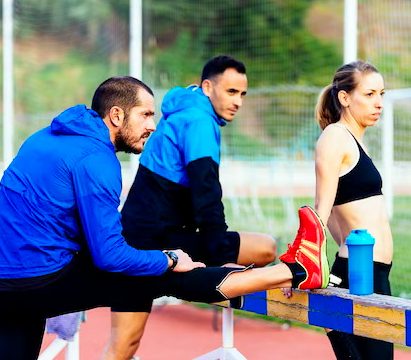
Physical flexibility is perhaps the first thing that comes to mind when people think of the word “flexible.” However, its value extends far beyond the ability to stretch or bend your body. In the physical sense, staying flexible means maintaining mobility, strength, and overall well-being. It can help us avoid injury, reduce muscle tension, and improve posture, making it easier to move through our day-to-day lives with ease.
When we are flexible physically, we can perform everyday tasks—whether it’s reaching for something on a high shelf, sitting comfortably at a desk for long periods, or bending down to tie our shoes—without feeling stiffness or discomfort. Our bodies become more resilient to stress and less prone to strain. Stretching regularly and keeping the muscles and joints flexible ensures that we maintain a good range of motion, which in turn helps us avoid aches and pains that can come with age or a sedentary lifestyle.
But flexibility isn’t only about being physically agile. It’s also about mental flexibility, which is equally important in today’s fast-paced world. Mental flexibility refers to our ability to adjust to new ideas, situations, and challenges. It’s about being open to change and willing to shift our perspectives when necessary. Mental flexibility helps us handle uncertainty and make informed decisions when faced with unexpected twists and turns in our lives.
In our personal and professional lives, things don’t always go according to plan. We face unexpected challenges, changes in our circumstances, and even setbacks that can throw us off course. When we remain mentally flexible, we are able to see these obstacles as opportunities for growth rather than insurmountable problems. We can adapt to new situations with ease, whether that means finding new ways to solve a problem at work or learning to manage changes in our relationships.
Mental flexibility also allows us to handle stress more effectively. When we cling too tightly to rigid ideas or beliefs, we create unnecessary tension in our minds. We become less able to see things from other perspectives, and we may feel overwhelmed by the constant need to control everything around us. But when we practice mental flexibility, we release the need for control and open ourselves to new solutions and possibilities. We become more resilient in the face of adversity and better able to navigate life’s uncertainties.
Another crucial aspect of staying flexible is emotional flexibility. Life can be full of emotional ups and downs, and how we respond to these emotions often determines our overall well-being. Emotional flexibility is the ability to experience and express a range of emotions without becoming overwhelmed or stuck in one emotional state. It means being able to let go of negative emotions, such as anger or frustration, when they no longer serve us, and allowing ourselves to move on with a clearer, calmer mind.
When we stay emotionally flexible, we are less likely to let stress or difficult emotions negatively impact our lives. We are better able to maintain a sense of balance, even in challenging times. This flexibility allows us to embrace the full range of human experiences—the joy, the sadness, the excitement, and the disappointments—without allowing any one emotion to define us or control our reactions. We learn to move through life with a sense of fluidity, accepting that emotions are natural and temporary, rather than something we need to hold onto.
Physical, mental, and emotional flexibility all contribute to a more balanced and fulfilling life. Staying flexible helps us adapt to the changes and challenges we inevitably encounter, allowing us to approach life with a greater sense of calm and resilience. It’s important to note that flexibility doesn’t mean being passive or lacking boundaries. It means being open to new experiences, embracing change, and finding solutions when things don’t go as expected.
One of the key benefits of staying flexible is the reduction of stress. Life is full of surprises, some of which can be stressful or challenging. However, when we approach these challenges with a flexible mindset, we can diffuse a lot of the stress that would otherwise build up. Flexibility allows us to let go of the need to control every outcome and embrace the uncertainty of life. Instead of becoming rigid and resistant to change, we can go with the flow and find ways to adapt.
Incorporating flexibility into our daily routines can also contribute to improved physical health. Stretching exercises and mindful movements, like yoga or Pilates, promote both physical flexibility and mental relaxation. These practices help reduce muscle tightness, increase circulation, and ease tension, making it easier to stay active and engaged in our lives. Regular exercise that promotes flexibility also helps prevent injuries, boosts energy levels, and enhances overall well-being.
The ability to stay flexible also plays a significant role in fostering better relationships. Relationships, whether with family, friends, or colleagues, often require compromise and understanding. When we remain flexible in our interactions with others, we are better able to empathize with their perspectives and respond to their needs with kindness and patience. Emotional flexibility helps us navigate conflicts more effectively, as we are more willing to listen, understand, and find common ground, rather than rigidly holding onto our own viewpoints.
Flexibility is a quality that can be cultivated with practice. Just as we stretch our muscles to maintain physical flexibility, we can also stretch our minds and hearts to become more adaptable in all areas of life. Simple practices, like mindful breathing, meditation, journaling, or taking time to reflect on our thoughts and emotions, can all help us become more flexible and open to change. The more we practice, the easier it becomes to embrace new experiences and respond to life’s challenges with a positive attitude.
Ultimately, staying flexible is about embracing the ebb and flow of life. It’s about finding the balance between holding on and letting go. When we stay physically, mentally, and emotionally flexible, we are able to adapt to life’s uncertainties with greater ease and confidence. Flexibility doesn’t mean we have to change everything about ourselves or our routines; it simply means being open to change and willing to adapt when necessary. By staying flexible, we give ourselves the freedom to experience life fully, without the burden of unnecessary rigidity or stress.
In conclusion, flexibility is one of the most valuable assets we can develop. It enhances our physical health, supports our mental and emotional well-being, and helps us build stronger, more adaptable relationships. Whether through stretching, shifting our perspectives, or letting go of emotional baggage, staying flexible allows us to move through life with greater ease and freedom. So, next time life presents an unexpected challenge, remember that the ability to bend and adapt can lead to a much more fulfilling and rewarding experience.