Cardiovascular exercise, or cardio, is often associated with high-intensity routines, long runs, and sweat-filled workouts.
While these forms of exercise can be beneficial, cardio does not have to be extreme or uncomfortable to be effective.
In fact, cardio that promotes ease of movement focuses on gentle, accessible, and sustainable practices that improve heart health, stamina, and overall mobility. By approaching cardio in a way that prioritizes comfort and functional movement, individuals can enhance daily activity, reduce fatigue, and move with confidence throughout life.
One of the most approachable forms of cardio is walking. Walking at a comfortable pace stimulates circulation, strengthens the heart, and supports energy levels without placing undue stress on joints or muscles. Short walks in the morning, during lunch breaks, or in the evening can invigorate the body and clear the mind. For added variety, consider adjusting pace slightly, incorporating gentle hills, or alternating between indoor and outdoor settings. Walking is not only accessible but also adaptable to individual fitness levels, making it an excellent way to enjoy cardio while moving with ease.
Cycling is another effective form of cardio that promotes comfortable movement. Whether on a stationary bike or outdoors, cycling strengthens the legs, improves cardiovascular endurance, and supports joint health. It is low-impact, which reduces the likelihood of discomfort or injury, and can be tailored to suit various levels of intensity. Short sessions of twenty to thirty minutes, or even brief rides integrated into daily routines, can enhance circulation and stamina, allowing the body to move more freely in everyday life.
Swimming is particularly beneficial for those seeking cardio that feels gentle on the body. The buoyancy of water reduces pressure on joints while engaging multiple muscle groups. Swimming laps, performing water aerobics, or simply moving through water at a comfortable pace strengthens the cardiovascular system and improves flexibility. The fluidity of movement in water encourages natural range of motion and enhances overall mobility, making it an ideal option for people of all ages and fitness levels.
Low-impact cardio routines, such as dancing, elliptical training, or step-based exercises, are designed to elevate heart rate without placing excessive strain on the body. These exercises allow for rhythmic, enjoyable movement that can be adjusted for intensity and duration. Dancing to favorite music at home, for example, provides cardiovascular benefits while lifting mood and enhancing coordination. Low-impact routines offer a way to improve fitness and energy while maintaining comfort and ease of movement.
Interval training can also be adapted to promote ease of movement. Short bursts of activity followed by rest periods increase heart rate and stimulate metabolism without causing exhaustion. For example, alternating between one minute of brisk walking or gentle jogging and one to two minutes of slower-paced recovery can improve cardiovascular endurance efficiently. Interval training in this accessible format encourages gradual improvement while keeping exercise manageable and enjoyable.
Incorporating cardio into daily activities enhances ease of movement while making exercise feel natural. Taking the stairs instead of the elevator, walking or cycling for errands, or engaging in active play with family members are all examples of practical cardio integration. These actions contribute to cardiovascular health and energy levels while reinforcing functional movement. When cardio becomes a part of everyday life, it supports the ability to move with comfort and confidence throughout the day.
Mindful cardio practices can enhance both physical and emotional benefits. Paying attention to posture, breathing, and stride during walking, cycling, or swimming encourages efficiency and reduces unnecessary tension. Mindful awareness helps the body move more naturally and comfortably, improving coordination and stamina. This approach also provides mental clarity, stress relief, and a sense of accomplishment, making cardio a holistic experience that supports overall well-being.
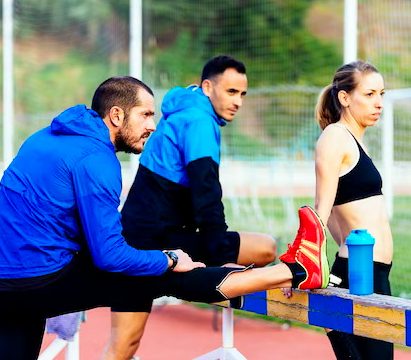
Flexibility and mobility work complement cardio to enhance ease of movement. Gentle stretching before and after cardio sessions prepares muscles and joints for activity and promotes recovery. Targeting the hips, legs, back, and shoulders ensures that movement remains fluid and comfortable. Regular attention to mobility helps prevent stiffness, reduces the risk of injury, and allows cardio sessions to feel smooth and natural, rather than strenuous or awkward.
Social and group-based cardio activities can provide motivation and enjoyment while encouraging ease of movement. Walking clubs, group cycling sessions, water aerobics classes, or dance groups offer community support, structure, and accountability. Engaging in movement alongside others fosters consistency and creates a positive, friendly environment where participants can progress at their own pace. Social cardio routines combine physical benefits with emotional support, making movement feel less like a task and more like an enjoyable experience.
Using simple tools can enhance cardio without increasing strain. Resistance bands, light ankle weights, or balance aids can be incorporated into low-impact routines to engage more muscles, improve stability, and add variety. These tools encourage controlled, deliberate movements that support cardiovascular fitness while maintaining comfort. By integrating equipment thoughtfully, cardio sessions remain effective, safe, and accessible for a wide range of abilities.
Gradual progression is essential for maintaining ease of movement while improving cardiovascular fitness. Slowly increasing duration, distance, or intensity allows the body to adapt without discomfort or fatigue. This principle ensures sustainable growth in stamina and endurance while reducing the risk of overexertion. When progression is steady and mindful, cardio becomes a reliable method to enhance energy, strength, and comfort in movement over time.
Consistency is key to reaping the benefits of cardio that promotes ease of movement. Regular engagement, even for short periods, reinforces stamina, supports heart health, and improves overall physical function. Establishing simple routines, such as a daily walk, a few laps in the pool, or a brief dance session, makes cardiovascular exercise a natural and sustainable part of life. Consistency allows the body to adapt gradually, making all forms of movement feel smoother and more effortless.
Recovery and self-care further support the benefits of cardio. Adequate rest, hydration, and nutrition help the body perform efficiently and recover quickly. Gentle stretching, foam rolling, or light movement on rest days ensures that muscles remain supple and joints mobile. Prioritizing recovery keeps cardio sessions enjoyable and comfortable, reinforcing a positive relationship with exercise and contributing to long-term ease of movement.
Mental and emotional benefits of accessible cardio are also significant. Cardiovascular activity releases endorphins, reduces stress, and improves mood. Feeling energized, alert, and capable after a session translates into confidence in daily activities. When cardio is gentle, enjoyable, and consistent, it enhances both physical and emotional well-being, creating a sense of balance that makes everyday movement easier and more natural.
In conclusion, cardio that helps you move with ease emphasizes comfort, accessibility, and sustainability while supporting heart health, stamina, and mobility. Walking, cycling, swimming, dancing, low-impact exercises, and interval training provide a variety of ways to engage in cardiovascular activity without strain. Mindful practice, flexibility work, gradual progression, social engagement, and consistent routines enhance benefits and ensure movement feels smooth, natural, and enjoyable.
By approaching cardio with attention to comfort, adaptability, and enjoyment, anyone can experience improved endurance, energy, and confidence in daily life. Accessible cardio empowers the body to move efficiently and comfortably, supporting overall physical and emotional well-being. Over time, these practices foster lasting habits that make movement an enjoyable, integral part of life, allowing individuals to navigate daily tasks, activities, and challenges with ease and confidence.