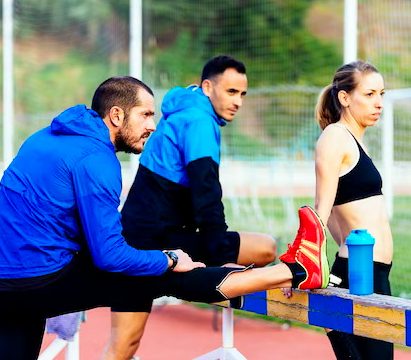
Staying active is easier and often more enjoyable when shared with friends.
Movement can become a social experience that strengthens both the body and relationships.
Friends provide motivation, encouragement, and accountability, making it more likely that you will maintain a consistent routine. By approaching exercise creatively, you can turn activity into an engaging, fun, and meaningful part of your social life.
One of the simplest ways to stay active with friends is to organize regular walks or hikes together. Whether it’s exploring a local park, walking through city streets, or hiking a nearby trail, walking provides cardiovascular benefits and allows time for conversation. Changing routes, exploring new areas, or adding light challenges like gentle hills or stairs can keep the experience fresh and stimulating. Walking with friends encourages movement without pressure, making it easy to integrate into your routine.
Another creative approach is to try group fitness classes. Many gyms and studios offer classes designed for social interaction, such as dance, aerobics, cycling, or martial arts. Attending a class with friends combines guided movement with shared energy, making the experience more enjoyable and motivating. Classes often offer structure and variety, keeping participants engaged and challenged while supporting social connection. Participating as a group creates a sense of camaraderie and friendly encouragement that enhances the overall experience.
Team sports and recreational games provide both physical activity and social engagement. Activities like soccer, basketball, volleyball, or even informal backyard games promote cardiovascular health, strength, coordination, and teamwork. Friendly competition adds excitement while fostering collaboration and problem-solving skills. Even nontraditional games, such as frisbee, tag, or capture the flag, can provide vigorous movement while encouraging creativity and playfulness. The shared experience of working together or competing in a fun, supportive way strengthens bonds and makes movement more enjoyable.
For those who enjoy adventure, organizing outdoor challenges can be an excellent option. Biking together, paddleboarding, rock climbing, or exploring nature trails provides both physical benefits and memorable experiences. Outdoor activity combines exercise with exposure to nature, which can enhance mood, reduce stress, and improve overall well-being. Trying new activities with friends introduces novelty and excitement, making physical activity a source of joy rather than obligation. Shared exploration encourages confidence and inspires continued engagement.
Incorporating technology can enhance group activity and introduce unique ways to stay active. Interactive fitness apps, virtual challenges, or motion-based video games allow friends to participate together even if physically apart. For example, walking or cycling challenges tracked through apps can encourage friendly competition or shared goals. Online workouts or dance sessions provide structured movement while allowing participants to connect socially. Technology adds variety and flexibility, creating opportunities for engagement beyond traditional in-person activities.
Dance is another creative way to move with friends. Organizing a dance night at home or attending a dance class together allows participants to enjoy movement through music and rhythm. Dance improves cardiovascular health, coordination, balance, and flexibility, while the social aspect makes it fun and entertaining. Choreographing routines together or improvising freely encourages creativity and shared enjoyment, transforming exercise into an expressive and joyful experience.
Collaborative projects that combine movement with creativity can also be highly motivating. Activities such as community gardening, charity walks, or group clean-up events engage multiple people in meaningful physical activity. These experiences provide both exercise and a sense of accomplishment, as participants see the tangible results of their efforts. Combining purpose and movement strengthens social bonds and enhances satisfaction, showing that staying active can contribute to something greater than personal fitness.
Friendly challenges or goal-setting can add excitement and structure to group activity. Friends can set collective targets, such as a certain number of steps per week, completing a series of workouts, or participating in a charity run together. Challenges create motivation and a sense of accountability while encouraging friendly support and celebration of milestones. Reaching goals together fosters a sense of achievement and reinforces the habit of regular movement in a positive, enjoyable way.
Indoor activities can also provide creative opportunities for group movement. Hosting a small fitness circuit in the living room, engaging in yoga or stretching sessions, or creating an indoor obstacle course allows for physical activity regardless of weather or space limitations. Music, playful themes, or timed challenges can make indoor sessions more engaging. These activities offer a convenient and fun alternative when outdoor or structured group options are unavailable, ensuring that movement remains consistent and enjoyable.
Flexibility is key to sustaining activity with friends. Everyone has different schedules, energy levels, and preferences, so it is important to adapt activities to accommodate each person. Being open to suggestions, alternating activity types, or adjusting intensity ensures that everyone can participate comfortably. Flexibility prevents frustration, encourages long-term engagement, and strengthens social connections by emphasizing inclusion and shared enjoyment over strict performance or intensity.
Mindfulness during group activity enhances both physical and emotional benefits. Paying attention to how the body feels, coordinating movements, and noticing the environment improves the quality of exercise and prevents injury. Encouraging a positive and supportive atmosphere allows participants to focus on enjoyment, connection, and well-being rather than competition or comparison. Mindful movement fosters awareness, reduces stress, and deepens the shared experience of staying active with friends.
Regularity and routine support the sustainability of social movement. Scheduling weekly or biweekly activities creates consistency, which strengthens habits and ensures that exercise becomes a natural part of social life. Predictable gatherings provide opportunities to look forward to shared experiences while promoting regular physical activity. Over time, these routines become traditions that blend health, fun, and connection, benefiting both body and relationships.
Reflection and celebration enhance the enjoyment and motivation of group activity. Taking moments to acknowledge achievements, share favorite moments, or appreciate each other’s efforts reinforces positive experiences. Celebrating milestones, such as completing a challenge, mastering a new skill, or reaching a collective goal, encourages continued engagement and strengthens bonds. Reflection allows participants to recognize progress, fostering a positive mindset and reinforcing the value of shared movement.
Ultimately, creative ways to stay active with friends transform exercise from a solitary or obligatory task into a social, joyful, and engaging experience. By combining outdoor adventures, team sports, dance, technology-based challenges, indoor activities, and purposeful projects, friends can create opportunities to move, laugh, and connect. Flexibility, mindfulness, regularity, and celebration ensure that these activities are sustainable, inclusive, and enjoyable for everyone involved.
Staying active with friends highlights that fitness and social connection are complementary rather than separate. Shared movement experiences build stronger relationships, boost motivation, and create a positive attitude toward exercise. Exploring new activities together encourages creativity, fosters confidence, and strengthens commitment. By approaching movement with curiosity, inclusivity, and enjoyment, friends can turn physical activity into an ongoing source of connection, fun, and well-being.