High-intensity interval training, commonly known as HIIT, has earned a reputation for delivering fast and effective results.
It combines periods of vigorous effort with short recovery times, challenging the heart, lungs, and muscles in a relatively brief period.
While HIIT can be intense, it can also be adapted for gentle progression, making it accessible for beginners, those returning from a break, or anyone seeking a sustainable, manageable approach to fitness. Gentle progression focuses on small, steady improvements over time, emphasizing safety, consistency, and enjoyment, ensuring that the benefits of HIIT can be achieved without stress or risk of injury.
The first key to gentle progression is to start at your own pace. New participants should focus on movements that feel comfortable and achievable rather than striving for maximum intensity from the beginning. Simple bodyweight exercises such as squats, lunges, gentle jumping jacks, or modified push-ups provide a foundation for building cardiovascular and muscular endurance. Starting gently allows the body to adapt to repeated exertion while cultivating confidence and a positive attitude toward regular exercise.
Consistency is more important than intensity when practicing HIIT with gentle progression. Even short sessions of five to fifteen minutes can create meaningful improvements in fitness when performed regularly. Daily or near-daily practice helps establish a habit and reinforces the body’s ability to adapt to increased activity levels over time. By focusing on consistency, you create a foundation for sustainable fitness, ensuring that progress occurs steadily rather than through occasional bursts of overexertion.
Structuring HIIT sessions with short intervals is another effective approach for gentle progression. For example, working for twenty to thirty seconds followed by forty to sixty seconds of recovery allows the body to experience exertion without becoming overwhelmed. The length of active periods and rest intervals can be gradually adjusted as endurance and comfort improve. This approach teaches the body to handle repeated effort while keeping sessions safe and approachable.
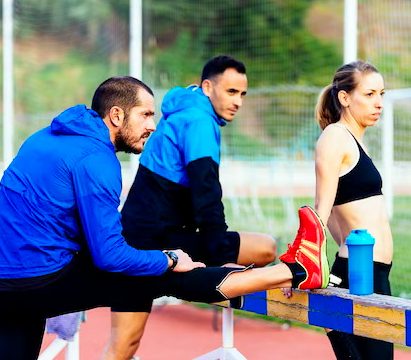
Warm-ups and cool-downs are essential components of gentle HIIT. A brief warm-up with light cardio or dynamic stretches prepares muscles, joints, and the cardiovascular system for more challenging movements. This step reduces the risk of injury and enhances performance during intervals. Similarly, a short cool-down helps the body transition back to a relaxed state, supports circulation, and aids recovery. Including these components ensures that HIIT sessions are effective, comfortable, and safe.
Mindful movement is an important aspect of gentle progression. Paying attention to form, breath, and the sensations in your body helps prevent strain and promotes efficiency. For instance, focusing on controlled squats, lunges, or arm movements allows muscles to engage fully while maintaining stability. Conscious breathing supports endurance and keeps energy levels steady throughout intervals. Mindfulness transforms HIIT from a purely physical activity into a holistic practice that benefits both body and mind.
Variety in exercises helps maintain motivation and promotes balanced fitness. Gentle HIIT can include lower-body, upper-body, and core-focused movements in rotation. Alternating between different exercises prevents overuse of any single muscle group while keeping sessions interesting. Even within the context of gentle progression, variety encourages well-rounded conditioning, improves coordination, and keeps each session fresh and engaging.
Progressive overload is a cornerstone of building fitness gently. The idea is to increase intensity, duration, or complexity gradually rather than attempting extreme effort immediately. For example, starting with twenty-second intervals can evolve into thirty- or forty-second intervals over several weeks. Similarly, rest periods can be gradually shortened, or additional rounds can be added as endurance improves. This method ensures steady improvement while minimizing the risk of injury or discouragement.
Low-impact exercises are particularly useful for gentle HIIT progression. Movements such as marching in place, modified jumping jacks, step touches, or gentle kicks elevate the heart rate without placing excessive strain on joints. Low-impact options allow participants to enjoy the benefits of HIIT, including cardiovascular stimulation and calorie burn, while maintaining safety and comfort. These exercises also provide a gentle introduction to more dynamic movements over time.
Using equipment can support gradual progression without adding undue stress. Resistance bands, light dumbbells, or household items like water bottles can enhance the intensity of familiar movements. For instance, a squat with a resistance band provides additional engagement of leg muscles without dramatically increasing impact. Gradually incorporating equipment allows for increased strength and endurance while maintaining a controlled approach that supports safe development.
Tracking progress encourages motivation and provides a sense of accomplishment. Keeping a simple record of intervals completed, exercise choices, or perceived effort helps you recognize improvement over time. Observing small gains reinforces commitment and highlights how gentle, consistent practice leads to tangible results. Celebrating these milestones, even modest ones, strengthens confidence and supports continued adherence to the HIIT routine.
Adapting HIIT sessions to your daily schedule is essential for long-term sustainability. Gentle progression is not about perfection; it is about making exercise fit naturally into life. Some days may allow for full sessions, while others may require shorter or lower-intensity intervals. Embracing this flexibility ensures that HIIT remains a positive part of your routine, reducing stress and encouraging ongoing participation.
Hydration, nutrition, and recovery are important elements of a gentle HIIT approach. Staying hydrated supports energy levels and reduces fatigue during sessions. Eating balanced meals with sufficient protein, carbohydrates, and healthy fats provides fuel for performance and recovery. Allowing adequate rest between sessions, incorporating gentle stretching, and prioritizing sleep all contribute to the body’s ability to adapt and improve. Together, these factors reinforce the benefits of HIIT and support steady, sustainable progression.
Outdoor HIIT sessions can also enhance gentle progression. Exercising in nature, such as walking or light jogging intervals on flat terrain or small hills, adds variety and sensory engagement without dramatically increasing intensity. Fresh air, sunlight, and natural scenery contribute to mood and motivation, making the practice enjoyable and more likely to be maintained consistently. Outdoor movement can be a gentle yet effective way to integrate HIIT into everyday life.
Social support is another helpful tool for gentle HIIT progression. Exercising with a friend, family member, or online group provides encouragement and accountability. Sharing experiences and celebrating achievements creates a positive environment that reinforces commitment. Social connection can make even short, gentle HIIT sessions more enjoyable and rewarding, fostering a long-term habit of daily movement.
Finally, cultivating a patient and compassionate mindset ensures that progression remains friendly and sustainable. Fitness improvements take time, and every session contributes to growth. Embracing gradual improvement rather than seeking immediate results fosters confidence and reduces the risk of frustration or injury. Gentle HIIT progression is about honoring your current abilities while exploring opportunities to move, challenge yourself, and improve over time.
In conclusion, gentle progression in HIIT allows individuals to enjoy the benefits of high-intensity interval training without overwhelming stress or risk. Starting at a comfortable pace, focusing on consistency, and gradually increasing intensity, duration, or complexity ensures safe and sustainable improvement. Incorporating low-impact movements, mindful attention, variety, equipment, and outdoor options keeps sessions engaging and effective.
By tracking progress, prioritizing recovery, and embracing flexibility, HIIT becomes a manageable and enjoyable part of daily life. Patience, self-compassion, and consistent practice allow you to build cardiovascular fitness, muscular endurance, and overall stamina in a supportive way. Gentle progression transforms HIIT into a friendly, adaptable, and rewarding approach to movement, helping you develop lasting strength, resilience, and confidence while maintaining a positive relationship with exercise.