In today’s educational landscape, the emphasis on collaborative learning has never been more pronounced.
As educators, parents, and students alike recognize the value of working together, the teaching outcomes that support this approach become vital.
Collaborative learning is not merely a trend; it’s a transformative process that fosters connection, understanding, and a sense of community. By focusing on specific teaching outcomes, we can create environments that nurture collaborative skills and empower learners to thrive together.
A gentle invitation to connection
At its core, collaborative learning invites individuals to come together, share their insights, and build upon each other’s strengths. This kind of learning isn’t confined to traditional classrooms; it can take place in any setting where people gather to learn. The first step toward fostering collaborative learning is creating a welcoming atmosphere. When students feel safe and valued, they are more likely to engage with one another and contribute their thoughts.
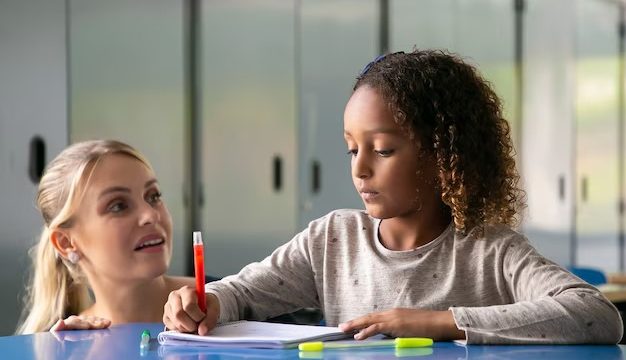
Teachers can encourage this sense of belonging by facilitating icebreaker activities or group discussions that allow students to express themselves freely. Such activities not only break down barriers but also lay the groundwork for mutual respect and understanding. When students see one another as partners in learning, they are more inclined to share ideas and support each other.
Cultivating critical thinking through dialogue
One of the remarkable outcomes of collaborative learning is the enhancement of critical thinking skills. When students engage in discussions, they are challenged to articulate their ideas clearly and consider different perspectives. This exchange of thoughts encourages deeper analysis and prompts learners to think critically about the subject matter.
Educators can create opportunities for dialogue by posing open-ended questions that stimulate conversation. Rather than seeking a single correct answer, teachers can guide students to explore various viewpoints. This not only enriches the learning experience but also helps students develop the ability to evaluate information and make informed decisions.
Fostering empathy and understanding
Collaboration isn’t just about academics; it’s also about human connection. As students work together, they have the chance to develop empathy and understanding for their peers. This emotional intelligence is invaluable, as it prepares learners to navigate diverse social environments both in school and beyond.
To foster empathy, teachers can incorporate group projects that require students to work with individuals from different backgrounds or skill sets. By appreciating each other’s strengths and challenges, students learn to support one another and celebrate their differences. This shared experience cultivates a sense of community that extends beyond the classroom walls.
Encouraging responsibility and accountability
In a collaborative setting, students learn that their contributions matter. This realization fosters a sense of responsibility and accountability, as they understand that their efforts directly impact the group’s success. When individuals are encouraged to take ownership of their roles, they are more likely to engage actively and invest in the learning process.
To support this outcome, educators can assign specific roles within group projects, such as researcher, presenter, or facilitator. By rotating these roles, students experience various perspectives and responsibilities, which helps them appreciate the collaborative process as a whole. This approach not only enhances their teamwork skills but also cultivates a sense of pride in their collective achievements.
Nurturing creativity through collaboration
Collaboration often sparks creativity, as it brings together diverse ideas and perspectives. When students collaborate, they can brainstorm and innovate, resulting in solutions that may not have emerged in isolation. This creative synergy is a beautiful outcome of collaborative learning.
Teachers can encourage creative thinking by allowing flexibility in group projects. Instead of imposing strict guidelines, educators can provide a framework that encourages students to explore their ideas. This freedom empowers learners to think outside the box and experiment with different approaches, leading to more dynamic and engaging results.
The beauty of reflection
As collaborative learning unfolds, the importance of reflection cannot be overlooked. Taking the time to reflect on the group process and individual contributions helps students internalize their experiences and learn from them. Reflection encourages self-awareness, allowing learners to recognize their strengths and areas for improvement.
Teachers can facilitate this reflective practice by incorporating debriefing sessions after group activities. During these sessions, students can discuss what worked well, what challenges they faced, and how they can enhance future collaborations. This process not only reinforces learning but also promotes a growth mindset, encouraging students to view challenges as opportunities for development.
Creating lasting connections
Ultimately, the outcomes of collaborative learning extend far beyond the classroom. The skills and relationships developed through collaborative experiences can leave a lasting impact on students’ lives. As they learn to work together, they build friendships and connections that enrich their educational journey.
Educators can nurture these connections by encouraging students to collaborate on projects that extend into the community. Whether it’s organizing a local event or participating in a service project, these shared experiences foster a sense of purpose and belonging. Students learn that collaboration can lead to meaningful change, inspiring them to continue working together even after the school day ends.
In conclusion, the teaching outcomes that support collaborative learning are multifaceted and deeply enriching. By creating an inviting atmosphere, cultivating critical thinking, fostering empathy, encouraging responsibility, nurturing creativity, promoting reflection, and creating lasting connections, educators can empower students to thrive in collaborative environments. As we embrace the beauty of shared learning, we not only enhance academic outcomes but also nurture a generation of compassionate, creative, and engaged individuals ready to take on the world together.