In today’s fast-paced world, self-confidence has become a vital ingredient for personal and professional success.
It shapes our interactions, influences our decisions, and colors our worldview.
Yet, fostering self-confidence is not solely an internal journey; the environment in which we learn plays a significant role. Education, in all its forms, can be a powerful catalyst for building self-assured individuals.
Creating a nurturing educational atmosphere starts with recognizing that every student is unique. When educators and parents alike embrace this diversity, they lay the groundwork for a supportive learning environment. Acknowledging individual strengths and weaknesses allows students to feel valued. When they see that their contributions matter, their self-esteem begins to blossom.
A small shift toward balance can make a world of difference. Traditional education often emphasizes grades and test scores, which can inadvertently lead to a fear of failure. In contrast, an approach that prioritizes personal growth and effort encourages students to take risks without the looming pressure of perfection. Celebrating progress—no matter how small—can help students understand that mistakes are stepping stones to success rather than setbacks.
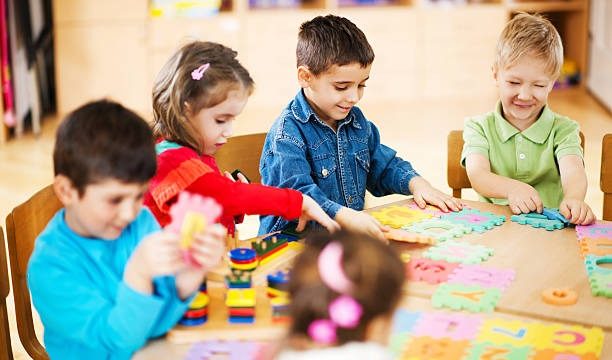
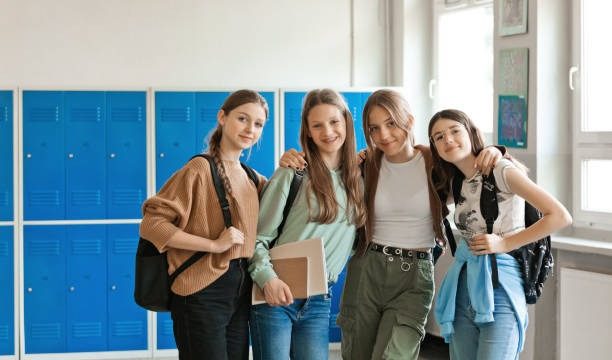
Another essential aspect of fostering self-confidence is promoting a sense of belonging. Students who feel connected to their peers and teachers are more likely to engage and express themselves. Schools and educational programs that focus on community-building activities create an environment where students feel safe to share their thoughts and ideas. When individuals collaborate on projects or participate in discussions, they learn to value each other’s perspectives, further enhancing their confidence.
Encouraging creativity in education is another way to build self-assurance. Art, music, drama, and creative writing allow students to express themselves in ways that traditional subjects may not. When students engage in creative activities, they often discover hidden talents and passions. These experiences can be incredibly empowering; students who create something unique learn to appreciate their abilities and develop a sense of ownership over their work.
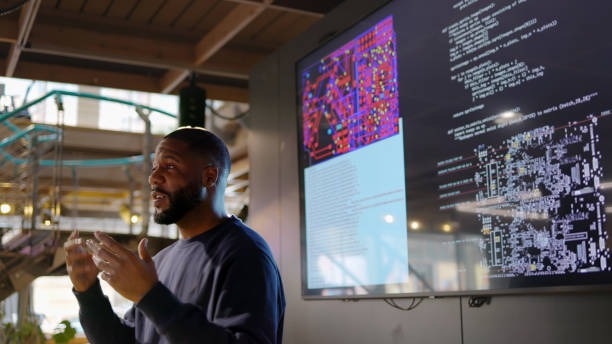
Moreover, mentorship plays a crucial role in nurturing confidence. When students have access to mentors—be it teachers, older students, or community members—they can receive guidance and encouragement. Mentors can help students navigate challenges, celebrate their successes, and provide constructive feedback. This relationship fosters a sense of security, and students often feel more comfortable stepping out of their comfort zones when they know someone believes in them.
The role of communication, too, cannot be overlooked. Open lines of communication between students and educators create a safe space for dialogue. When students feel heard, they are more likely to express their thoughts and opinions. This practice not only helps them articulate their ideas but also reinforces their belief in their own voice. Encouraging discussions where every opinion is valued cultivates an atmosphere of respect and understanding, further boosting self-confidence.
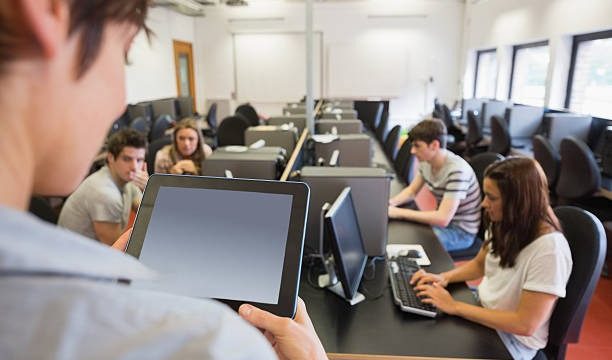
As technology continues to transform education, it offers unique opportunities for self-discovery. Online platforms and educational apps can provide tailored learning experiences that cater to individual needs and interests. These tools allow students to explore subjects at their own pace, which can be incredibly liberating. The ability to learn independently fosters a sense of autonomy and empowers students to take charge of their education, reinforcing their self-confidence.
Parental involvement is another cornerstone of building self-assured individuals. Parents who actively engage in their children’s education—whether through homework help, attending school events, or simply discussing their day—send a powerful message: “Your education matters.” This involvement not only strengthens the parent-child bond but also reassures children that they have a support system behind them. When students feel supported, they are more likely to take risks and pursue their interests, leading to increased self-confidence.
Moreover, resilience is a key component of self-confidence, and education can play a pivotal role in nurturing this trait. Teaching students how to cope with setbacks and adapt to challenges helps them develop a growth mindset. This mindset encourages them to view obstacles as opportunities for learning rather than insurmountable barriers. When students learn to bounce back from disappointments, they cultivate the inner strength necessary to face future challenges with confidence.
An inclusive education system that celebrates diversity also contributes to building self-confidence. When students see peers from various backgrounds and abilities thriving, it reinforces the idea that everyone has something valuable to contribute. This inclusivity fosters empathy and understanding, allowing students to appreciate their uniqueness as well as that of others. In this environment, self-confidence flourishes as students learn to embrace their identities.
As we reflect on the essential elements of education that encourage self-confidence, it becomes clear that the journey is a collaborative one. Educators, parents, and communities must work together to create environments where students feel safe, valued, and empowered. The impact of this collective effort extends beyond academic success; it shapes well-rounded individuals who believe in themselves and their potential.
Ultimately, education should not be solely about imparting knowledge but about nurturing the whole person. By fostering self-confidence through supportive, inclusive, and creative educational practices, we can help students navigate the complexities of life with resilience and grace. As they grow into confident individuals, they will not only thrive in their own lives but also inspire those around them to do the same. In this way, education becomes a powerful force for personal and collective transformation, paving the way for a brighter future for all.