As the world continues to evolve, the importance of a college education often comes into question.
While some may argue that hands-on experience is the best teacher, college offers a unique environment that fosters the development of professional skills essential for navigating today’s job market.
Beyond textbooks and lectures, the college experience provides a rich tapestry of opportunities that can shape an individual’s career path in profound ways.
The journey of self-discovery
College is often a time of exploration and self-discovery. For many young adults, it’s their first taste of independence, allowing them to step outside their comfort zones. This newfound freedom encourages students to explore various interests, from joining clubs to participating in internships. Each experience contributes to a deeper understanding of personal strengths and weaknesses, which is crucial in the professional realm.
Through involvement in diverse activities, students learn to collaborate with peers, manage their time effectively, and develop leadership skills. Whether it’s leading a project in a group assignment or organizing an event for a student organization, these experiences cultivate a sense of responsibility and teamwork that are invaluable in any career.
The art of communication
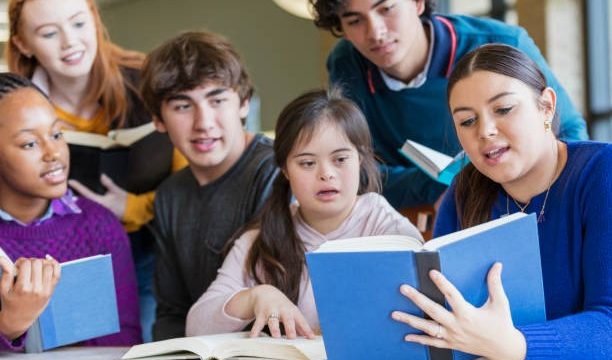
Effective communication is a cornerstone of professional success, and college serves as an excellent training ground for this essential skill. In classrooms, students engage in discussions, debates, and presentations, all of which hone their ability to articulate thoughts clearly and persuasively. This practice not only builds confidence but also teaches the importance of listening—a critical component of effective communication.
Moreover, the diverse backgrounds of college peers enrich these interactions. Students learn to navigate cultural differences and adapt their communication styles to connect with a wider audience. This adaptability is increasingly important in today’s globalized workforce, where collaboration often transcends geographical boundaries.
Building a professional network
One of the less tangible but equally significant benefits of a college education is the opportunity to build a professional network. From professors to fellow students, the connections made during these formative years can open doors to future job opportunities, mentorship, and collaborations. Engaging with faculty members, who often have extensive industry experience, can provide invaluable insights and guidance for career aspirations.
Career fairs, guest lectures, and networking events are integral parts of the college experience, allowing students to interact with professionals in their fields of interest. These interactions can lead to internships or job offers, but they also foster relationships that can be beneficial long after graduation. The ability to network effectively is a skill that can greatly enhance one’s career trajectory.
Learning adaptability and resilience
In the ever-changing landscape of the professional world, adaptability and resilience have become essential traits. College life often presents challenges, whether it’s managing a heavy course load, balancing work and study, or navigating personal issues. Learning to cope with these challenges helps students build a strong foundation for their future careers.
The process of overcoming obstacles teaches students to approach problems with a solution-oriented mindset. They learn to pivot when plans go awry and develop a sense of resilience that will serve them well in the face of professional setbacks. This ability to adapt can make all the difference in achieving long-term career success.
Cultivating critical thinking skills
In addition to fostering communication and collaboration, college encourages the development of critical thinking skills. Through rigorous coursework and engaging discussions, students learn to analyze information, evaluate different perspectives, and make informed decisions. These skills are crucial in any profession, where the ability to assess situations and think strategically can set individuals apart.
The emphasis on research and inquiry further enhances critical thinking abilities. Students are often required to conduct research, synthesize information, and present their findings. This analytical approach not only prepares them for specific career paths but also instills a lifelong love of learning and intellectual curiosity.
Embracing diversity and inclusion
Today’s workplaces are increasingly diverse, and college provides a unique opportunity to embrace this diversity. Students interact with peers from various cultures, backgrounds, and perspectives, fostering an appreciation for inclusion. This exposure helps cultivate empathy and understanding, essential qualities for building strong professional relationships.
As students engage in discussions about social issues and participate in multicultural events, they learn to value different viewpoints. This appreciation for diversity is not only beneficial in terms of workplace dynamics but also enhances creativity and innovation. A team that embraces diverse perspectives is often better equipped to tackle challenges and develop innovative solutions.
The importance of time management
Balancing academic responsibilities with extracurricular activities can be a juggling act, and college is the perfect training ground for mastering time management. Students learn to prioritize tasks, set goals, and meet deadlines—skills that are directly transferable to any professional setting.
Through this process, individuals develop a sense of discipline and accountability. They learn to recognize the importance of planning and organization, which can greatly enhance productivity in their future careers. The ability to manage time effectively is often a key factor in achieving success and maintaining a healthy work-life balance.
Preparing for the future
While the college experience is often centered around academics, it also serves as a crucial stepping stone toward future careers. Many institutions offer career services that assist students in preparing for the job market. From resume writing workshops to interview preparation, these resources empower students to present themselves confidently to potential employers.
Additionally, internships and co-op programs provide practical experience, allowing students to apply their knowledge in real-world settings. These opportunities not only enhance technical skills but also give students a taste of what to expect in their chosen fields, helping them make informed career choices.
In conclusion, college is much more than a path to a degree; it’s a transformative experience that builds essential professional skills. From communication and collaboration to adaptability and critical thinking, the skills developed during these years lay the groundwork for future success. As students navigate this journey, they not only prepare for their careers but also cultivate a deeper understanding of themselves and the world around them. Embracing this holistic development can lead to a fulfilling and successful professional life.