Learning Collaboration Through College
The college experience is often romanticized as a time of newfound independence, intellectual discovery, and social exploration.
While those elements are certainly part of the journey, one of the most profound lessons that college offers is the art of collaboration.
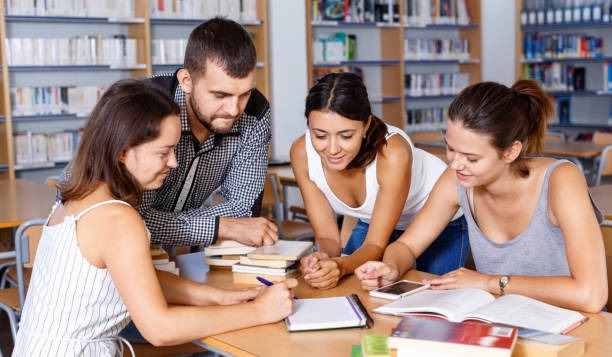
Whether it’s through group projects, study sessions, or extracurricular activities, learning to work together with others can be one of the most valuable skills gained during these formative years.
The essence of collaboration lies in understanding that we are stronger together. College often brings together a diverse group of individuals, each with their own unique backgrounds, perspectives, and skill sets. This melting pot of ideas can be both exhilarating and challenging. Embracing this diversity is not just about working alongside others; it’s about learning to appreciate different viewpoints and finding common ground.
As students navigate their academic journeys, they encounter various opportunities to collaborate. Group projects in classes compel students to pool their knowledge and skills to create something greater than what they could achieve individually. This process often requires open communication, negotiation, and compromise—skills that are invaluable in both personal and professional realms. When students learn to listen actively and respect differing opinions, they cultivate an environment where creativity can flourish.
In addition to formal academic settings, college life is rich with opportunities for collaboration beyond the classroom. Joining clubs, participating in campus organizations, or engaging in community service projects allows students to work together towards shared goals. These experiences foster a sense of belonging and community, reinforcing the idea that collaboration is not just a transactional exchange but a meaningful connection with others.
The journey of learning collaboration can also be a pathway to personal growth. As students engage with peers from various disciplines and backgrounds, they may find themselves stepping outside their comfort zones. This can lead to the discovery of new interests, the development of empathy, and the enhancement of problem-solving abilities. Each interaction teaches students how to navigate differences and appreciate the strengths that others bring to the table.
While collaboration can be rewarding, it also presents its own set of challenges. Conflicts may arise, and misunderstandings can occur, especially when individuals have differing work styles or priorities. However, these moments can serve as valuable learning experiences. Addressing conflicts with patience and understanding can lead to deeper insights about oneself and others. It’s in these challenging moments that students often discover the true value of collaboration—not just in achieving a common goal, but in building resilience and fostering relationships.
A small shift toward balance is often necessary when engaging in collaborative efforts. Students sometimes find themselves in leadership roles or as part of a team where the dynamics can shift unexpectedly. It’s essential to recognize that collaboration is not about one person taking charge; rather, it’s about shared leadership and mutual respect. Finding the right balance between contributing one’s ideas and allowing others to shine can create a harmonious atmosphere where everyone feels valued.
As students approach the end of their college journeys, the lessons learned through collaboration often extend far beyond the campus. Many employers today seek individuals who can work effectively in teams and navigate complex interpersonal dynamics. The ability to collaborate successfully is not just a desirable quality; it is a necessity in many fields. The experiences gained through group projects and team activities provide a solid foundation for future professional endeavors.
Moreover, the friendships forged during collaborative efforts can last a lifetime. The bonds created through shared challenges and triumphs often lead to networks of support that extend well beyond graduation. These connections can be instrumental in personal and career development, as they provide a sense of community and belonging that is invaluable in today’s fast-paced world.
In this ever-evolving landscape of education and work, the importance of collaboration cannot be overstated. The skills and experiences gained through collaborative learning are essential for navigating the complexities of modern life. College serves as a training ground for these skills, providing students with the tools they need to thrive in both their personal and professional lives.
As students reflect on their college experiences, they may find that the most significant lessons were not always found in textbooks or lectures. Rather, it was in the moments of collaboration—working late into the night on a project, brainstorming ideas with classmates, or even resolving conflicts—that they developed a deeper understanding of themselves and others. These experiences shape individuals into adaptable, empathetic, and resourceful members of society.
In conclusion, learning collaboration through college is a journey that enriches not only academic pursuits but also personal growth and relationships. By embracing the diverse perspectives and skills of others, students cultivate a sense of community and belonging that lasts a lifetime. The challenges faced in collaborative efforts teach resilience and empathy, while the friendships formed create lasting networks of support. As students venture into the world beyond college, they carry with them the invaluable lessons of collaboration—a skill that will undoubtedly serve them well in all aspects of life.