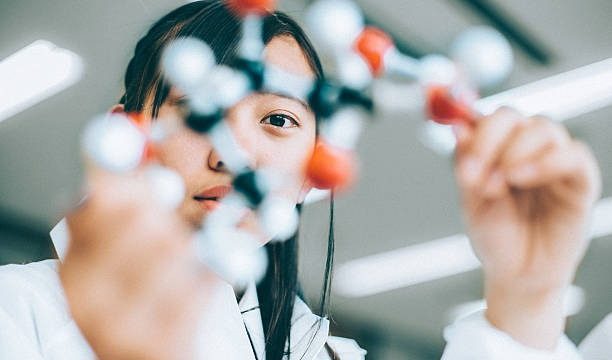
In the intricate tapestry of life, two threads weave together in a beautiful dance: chemistry and genetics.
At first glance, these fields may seem distinct, but they share a profound connection that shapes every living organism on our planet.
Understanding this relationship can deepen our appreciation for life itself and inspire us to embrace our own unique biological narratives.
A gentle exploration of chemistry reveals its role as the foundation of all matter, including the building blocks of life. Everything around us, from the air we breathe to the food we eat, is composed of chemical substances. In our bodies, these chemicals interact in complex ways, forming the basis for biological processes. For instance, think about enzymes, which are proteins that act as catalysts in biochemical reactions. Without these remarkable molecules, life as we know it would simply not exist.
As we delve deeper into this subject, we find that chemistry is not just about elements and compounds; it is also about the interactions that occur on a molecular level. This is where genetics enters the scene, bringing with it the fascinating story of heredity and variation. Genetics is the study of genes, the segments of DNA that provide the instructions for building and maintaining an organism. These genes are the carriers of information that dictate everything from eye color to susceptibility to certain diseases.
When we consider how chemistry and genetics intertwine, we uncover a world of possibilities. The double helix structure of DNA, famously described by Watson and Crick, is a prime example of this connection. The DNA molecule is composed of nucleotides, which contain a sugar, a phosphate group, and a nitrogenous base. The specific arrangement of these bases—adenine, thymine, cytosine, and guanine—forms the genetic code that determines an organism’s traits. The chemistry behind these interactions is nothing short of magical, as tiny changes at the molecular level can lead to significant variations in phenotype, or observable characteristics.
As we reflect on the implications of this relationship, it becomes clear that our understanding of chemistry and genetics not only enriches our knowledge of biology but also influences our daily lives. Take nutrition, for example. The food we consume is broken down into its chemical components, which then interact with our genetic makeup. This interplay can affect how our bodies metabolize nutrients, leading to different health outcomes for different individuals. It’s a reminder that we are all unique, shaped by both our genetic inheritance and the chemical environment in which we exist.
A small shift toward balance can be found in recognizing the impact of lifestyle choices on our genetic expression. While our genes lay the groundwork for our health, it’s our choices—what we eat, how we move, and how we manage stress—that can influence how those genes are expressed. This concept, known as epigenetics, highlights the dynamic relationship between our biology and our environment. It suggests that we have more control over our health than we might realize, empowering us to make decisions that support our well-being.
Incorporating this understanding into our lives can be a transformative experience. Consider how adopting a balanced diet rich in whole foods can positively affect not only your physical health but also your mental well-being. Foods high in antioxidants, for example, can combat oxidative stress and may support healthy gene expression. By nurturing our bodies with the right nutrients, we can foster an environment where our genes can thrive.
Similarly, engaging in regular physical activity has chemical effects that can enhance our genetic potential. Exercise releases endorphins, often referred to as “feel-good” hormones, which can elevate mood and reduce stress. This biochemical response not only benefits our mental health but also has positive implications for our genetic expression, potentially reducing the risk of chronic diseases.
As we navigate our daily lives, it’s essential to remain mindful of the interconnectedness of chemistry and genetics. The choices we make each day—whether it’s opting for a healthy meal, taking a walk in nature, or practicing mindfulness—can have a cascading effect on our overall health and well-being. Embracing this holistic perspective encourages us to see ourselves as part of a larger ecosystem, where every action counts.
Moreover, understanding the chemistry of our bodies can spark a sense of wonder about the human experience. From the way our hearts beat to the way we heal from injuries, every process is a testament to the intricate dance of molecules at work. It’s a reminder that we are not just individuals; we are a collection of stories, each influenced by our unique genetic makeup and the chemical environment we inhabit.
In conclusion, the relationship between chemistry and genetics offers us a rich landscape for exploration. It invites us to consider the profound connections that shape our lives and encourages us to embrace the beauty of our individual journeys. By understanding how these two fields intersect, we can make informed choices that promote our well-being and celebrate the intricate design of life itself. Whether we are marveling at the complexity of DNA or savoring the flavors of a nutritious meal, we are engaging in a beautiful dialogue between chemistry and genetics—one that is as enriching as it is essential.