Chemistry in Pharmaceuticals
In our daily lives, we often overlook the intricate dance of science that supports our health and well-being.
When we reach for a bottle of medicine, we might not think about the fascinating world of chemistry that has crafted those little pills or syrups.
The role of chemistry in pharmaceuticals is a captivating journey, filled with innovation, creativity, and a commitment to improving lives.
Understanding the basics of chemistry can illuminate the remarkable processes that lead to the development of effective medications. At its core, chemistry provides the foundation for understanding how substances interact, how they can be transformed, and how they can be used safely and effectively in our bodies. Each medication is a carefully designed blend of chemical compounds, each chosen for its specific properties and effects.
The journey from a simple chemical compound to a life-saving drug is often long and complex. It begins with the discovery of new compounds, which can occur through various means, including natural sources like plants and fungi or synthetic processes in laboratories. Scientists meticulously analyze these compounds to determine their potential therapeutic benefits. This is where the magic of chemistry comes into play, as researchers delve into the molecular structure of these substances, seeking to understand how they interact with biological systems.
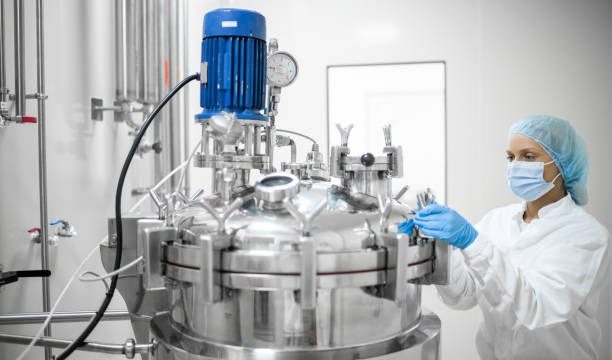
Once a promising compound is identified, the next step is formulation. This is where chemistry really shines. Formulation involves combining the active ingredient with other substances, known as excipients, which help stabilize the drug, enhance its absorption, or improve its taste. This process is essential for ensuring that medications are not only effective but also safe and pleasant to use. The delicate balance of ingredients is akin to crafting a fine recipe—each component plays a vital role in the overall efficacy of the medication.
As we consider the impact of chemistry in pharmaceuticals, it’s important to highlight the rigorous testing that follows formulation. Before any medication reaches the pharmacy shelves, it undergoes extensive preclinical and clinical trials. These trials are designed not only to assess the safety and effectiveness of the drug but also to understand how it behaves in the body. Here, chemistry helps researchers track how drugs are absorbed, distributed, metabolized, and excreted, providing invaluable insights into their pharmacokinetics and pharmacodynamics.
This meticulous process ensures that medications can be trusted. It’s a testament to the dedication of scientists and researchers who work tirelessly to bring new treatments to those in need. The chemistry behind pharmaceuticals is not just about creating effective drugs; it’s about ensuring that these drugs are safe for consumption and that they work harmoniously within our bodies.
A small shift toward balance can also be seen in the growing interest in personalized medicine. Advances in chemistry and biotechnology have made it possible to tailor treatments to individual patients based on their unique genetic profiles. This means that medications can be designed to work more effectively for specific groups of people, minimizing side effects and maximizing benefits. The future of pharmaceuticals is bright, as chemistry continues to evolve and adapt to meet the needs of an increasingly diverse population.
In recent years, there has been a significant focus on sustainable chemistry practices within the pharmaceutical industry. As awareness of environmental issues grows, many companies are seeking greener alternatives in their manufacturing processes. This involves finding more sustainable sources of raw materials, reducing waste, and developing methods that minimize the environmental impact of drug production. The chemistry community is rising to the challenge, demonstrating that it is possible to create effective medications while also caring for our planet.
The role of chemistry in pharmaceuticals extends beyond just the creation of new drugs. It also plays a crucial part in the ongoing development of vaccines and treatments for various diseases. The COVID-19 pandemic highlighted the importance of rapid response in pharmaceutical chemistry, as scientists worked around the clock to develop vaccines. The innovative use of mRNA technology, for example, showcased how chemistry can be harnessed to create effective solutions in times of crisis.
As we navigate our health and wellness journeys, it’s worth appreciating the unseen forces at work behind the medications we use. The chemistry involved in pharmaceuticals is a testament to human ingenuity and compassion. It reflects a commitment to understanding the complexities of life and finding ways to alleviate suffering.
In our quest for wellness, we often seek out natural remedies and holistic approaches. While these methods can certainly complement traditional pharmaceuticals, it’s essential to recognize the value of chemistry in creating effective treatments. The blend of tradition and innovation can lead to a harmonious approach to health, one that respects the wisdom of nature while harnessing the power of scientific advancements.
As we look to the future, the intersection of chemistry and pharmaceuticals will undoubtedly continue to evolve. With advancements in technology and a deeper understanding of human biology, the possibilities for new treatments are limitless. The ongoing research and development in this field not only promise to enhance our health but also to deepen our understanding of the world around us.
Ultimately, the chemistry behind pharmaceuticals is a story of hope and healing. It is a reminder that science and compassion can work hand in hand to improve lives. As we take our medications, let us appreciate the journey they have taken—one that began with a spark of curiosity and ended with a commitment to care for our health. Whether we are seeking relief from a minor ailment or a solution for a chronic condition, we can be grateful for the role of chemistry in shaping our well-being.