Learning is a lifelong journey, one that unfolds beautifully at every stage of life.
Whether you are a child discovering the world, a teenager navigating complex subjects, an adult honing professional skills, or a senior exploring new hobbies, the techniques that support learning can vary greatly.
The good news is that understanding and embracing these techniques can enhance your experience, making it more enjoyable and effective.
A gentle start in childhood
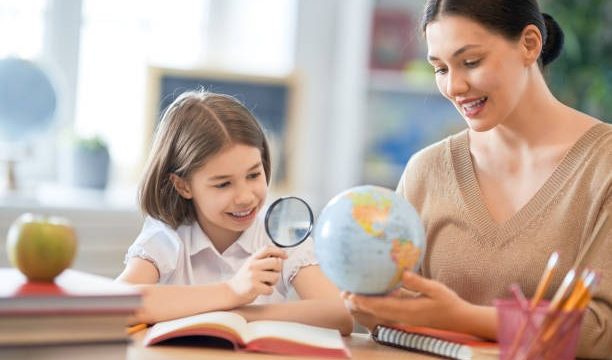
For young children, learning is often most effective when it feels like play. This is the stage where curiosity reigns supreme, and the world is a canvas for exploration. Engaging children in hands-on activities, such as building blocks or art projects, helps them grasp concepts naturally. Storytelling also plays a crucial role at this age. Reading aloud not only builds vocabulary but also sparks imagination, helping children make connections between words and the world around them.
Incorporating music and movement can further enhance learning for younger ones. Songs and rhymes introduce rhythm and patterns, which are foundational for language development. Simple dance or movement games reinforce physical coordination while making learning fun. At this age, fostering a love for learning is essential, and creating a nurturing environment encourages children to ask questions, seek answers, and develop a lifelong passion for knowledge.
Embracing curiosity in adolescence
As children transition into their teenage years, their learning needs shift significantly. This is a time when self-discovery and independence blossom. Encouraging teenagers to explore their interests is vital; allowing them to choose subjects that resonate with them can lead to deeper engagement. Project-based learning is particularly effective during this stage, where students can work on real-world problems or personal interests, fostering critical thinking and collaboration.
Peer interaction becomes increasingly important for teenagers, so creating opportunities for group learning can be beneficial. Study groups or collaborative projects allow them to share ideas and learn from one another. Additionally, teaching them effective study techniques, such as time management and active recall, empowers them to take charge of their education. This age is often fraught with distractions, so guiding teenagers to find balance in their lives can help them focus on their learning goals.
Finding balance in adulthood
For adults, learning often takes on a different flavor. With busy lives filled with responsibilities, finding time to learn can be a challenge. However, integrating learning into daily routines can make it more manageable. Online courses, podcasts, and audiobooks offer flexible options that fit into a hectic schedule. Many adults find that setting specific goals, whether they are professional or personal, helps them stay motivated.
Adults can also benefit from experiential learning, where they apply concepts directly to their work or life situations. This practical approach not only solidifies understanding but also makes learning relevant and meaningful. Networking with peers or joining professional groups can provide additional support and resources, creating a sense of community around shared interests.
Cultivating a growth mindset can be transformative at this stage. Embracing challenges and viewing failures as opportunities for growth encourages resilience and a lifelong love of learning. Taking time for self-reflection and assessing learning experiences can further enhance personal development.
Rediscovering joy in later years
As individuals enter their senior years, learning can take on a wonderfully refreshing perspective. This stage of life often brings the freedom to explore passions that may have been set aside. Whether it’s picking up a musical instrument, learning a new language, or delving into art, the possibilities are endless. The key is to approach learning with an open heart and a willingness to embrace new experiences.
Social engagement is particularly important for seniors, as it can enhance cognitive function and emotional well-being. Joining classes or clubs that align with personal interests fosters connections with others while providing a platform for learning. Additionally, teaching others what they have learned can reinforce knowledge and create a sense of purpose.
Engaging in activities that challenge the mind, such as puzzles or reading, can also be beneficial. Maintaining a sense of curiosity and wonder about the world fosters an ongoing desire to learn. It’s essential to remember that learning doesn’t have to be formal; everyday experiences can provide valuable lessons. Exploring new places, trying new recipes, or even engaging in conversations with younger generations can enrich one’s understanding of life.
A harmonious journey
Throughout life, the journey of learning is beautifully diverse, shaped by age, interests, and experiences. Embracing different techniques that resonate with each stage can create a more fulfilling and enjoyable process. Whether through play, exploration, or reflection, each moment spent learning is an opportunity to grow, connect, and thrive.
It’s important to remember that learning is not a race; it’s a personal journey. Finding joy in the process, celebrating small victories, and remaining open to new possibilities can make all the difference. As you navigate your own path, consider how you can integrate these learning techniques into your life or the lives of those around you.
In the end, learning is a gift that enriches our lives, no matter our age. It inspires curiosity, fosters connections, and cultivates a deeper understanding of ourselves and the world. By embracing the unique learning techniques that suit each phase of life, we can create a harmonious balance that nurtures our minds and hearts, allowing us to flourish in this beautiful journey of discovery.