As young adults step into the world of higher education, the transition from the familiar comforts of home to the bustling environment of college can feel daunting yet exhilarating.
College is often seen as a rite of passage, a time to explore new ideas, make lifelong friendships, and prepare for a future career.
However, amidst the excitement of late-night study sessions and campus events, there lies an essential lesson that often goes overlooked: the importance of real-world awareness.
The college experience is not just about textbooks and lectures; it’s about cultivating a deeper understanding of the world around us. This awareness can significantly enhance both academic pursuits and personal growth. As students engage with diverse perspectives, they are not only learning about their chosen fields but also developing a broader worldview that will serve them well beyond graduation.
In the classroom, students are exposed to theories and concepts that shape their understanding of various subjects. However, real-world awareness goes beyond academic knowledge. It requires an openness to experiences and an eagerness to learn from the environment and people around us. This can manifest in numerous ways, such as participating in discussions that challenge preconceived notions or engaging with communities outside of the campus bubble.
A small shift toward balance can make a big difference in how students perceive their education. Instead of viewing college solely as a means to an end—namely, a degree—students can benefit from embracing a more holistic approach. This includes seeking internships, volunteering, and attending workshops that focus on skills applicable in real-world scenarios. By stepping outside their comfort zones, students gain invaluable insights that textbooks alone cannot provide.
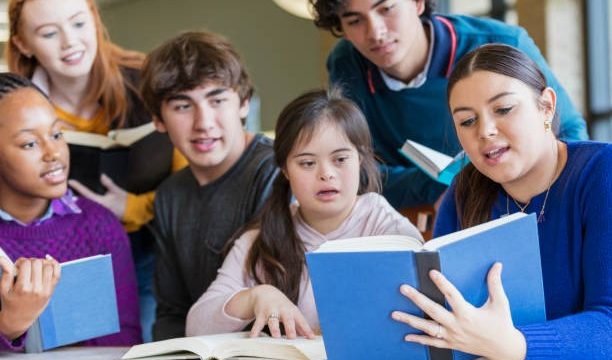
Moreover, the connections students make during their college years can significantly enrich their understanding of the world. Building relationships with peers from different backgrounds fosters empathy and cultural awareness. Engaging in conversations that explore varying opinions and experiences can help students grasp the complexities of societal issues. These interactions not only enhance critical thinking but also prepare students for teamwork and collaboration in their future careers.
The importance of real-world awareness extends to understanding current events and global issues. College students are at a unique crossroads in their lives, often grappling with questions about their roles in society. Staying informed about local and international happenings fosters a sense of responsibility and encourages proactive engagement. Whether through participating in student government, joining advocacy groups, or simply discussing current events with friends, students can cultivate a sense of agency that will serve them well in the future.
Experiential learning is another vital aspect of bridging the gap between college education and real-world application. Many colleges now emphasize hands-on experiences, such as internships or co-op programs, which allow students to apply their knowledge in practical settings. These opportunities not only enhance resumes but also immerse students in the realities of their chosen fields. Navigating workplace dynamics, understanding professional expectations, and developing problem-solving skills are all part of this invaluable learning process.
A gentle reminder to students is that it’s okay to feel overwhelmed at times. The pressure to succeed academically can be intense, and it’s easy to lose sight of the bigger picture. Taking a step back and reflecting on personal goals and values can help students realign their focus. Engaging in mindfulness practices, such as journaling or meditation, can cultivate a sense of clarity and purpose during this transformative phase.
As students navigate their college journey, the importance of building a supportive network cannot be overstated. Connecting with mentors—whether they are professors, industry professionals, or even peers—can provide guidance and encouragement. Mentorship can open doors to new opportunities and foster a sense of belonging. It’s through these relationships that students can find inspiration and motivation to pursue their passions.
Incorporating real-world awareness into daily life doesn’t have to be daunting. Simple actions, such as attending community events, volunteering for local charities, or engaging in discussions about social issues, can create meaningful connections and foster a sense of belonging. These experiences offer a chance to step outside the college bubble and engage with the larger community, enriching students’ perspectives on life and their future careers.
As graduation approaches, the lessons learned from both academic and real-world experiences become even more crucial. Students are not just stepping into the workforce; they are entering a complex world that requires adaptability, creativity, and a strong sense of social responsibility. Those who have embraced real-world awareness during their college years are often better equipped to navigate challenges and seize opportunities.
Ultimately, college is not just a destination but a journey of self-discovery and growth. By embracing a mindset that values real-world awareness, students can enhance their academic experience while preparing for a fulfilling life after graduation. It’s about finding balance, cultivating meaningful connections, and remaining open to the lessons life has to offer.
In conclusion, the college experience is a unique blend of academic learning and personal growth. By fostering real-world awareness, students can enrich their education and prepare for a world that is ever-changing and full of opportunities. As they embark on this journey, embracing a holistic approach to learning will not only benefit their academic pursuits but also shape them into well-rounded individuals ready to make a positive impact in the world. The adventure is just beginning, and the possibilities are limitless.