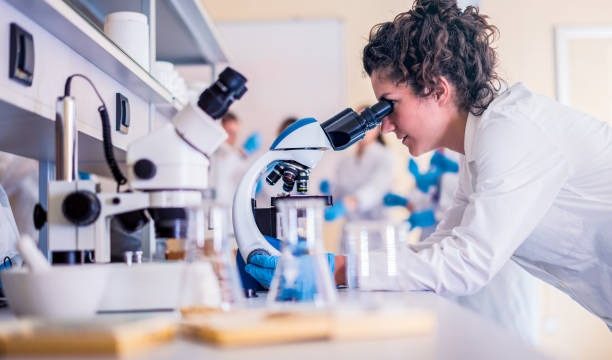
In a world where the delicate balance of nature is increasingly threatened, the role of chemistry in wildlife conservation is often overlooked.
Yet, the principles of this science play a crucial part in protecting our planet’s biodiversity.
From understanding the composition of pollutants to developing safer alternatives for pesticides, chemistry is quietly working behind the scenes to ensure that wildlife thrives.
The intricate web of life on Earth is supported by countless interactions among species and their environments. Each organism has a role to play, and when one element is disrupted, the entire ecosystem can suffer. Chemistry provides insight into these complex relationships, enabling conservationists to make informed decisions. For instance, the study of chemicals in the environment allows scientists to trace the sources of pollution that affect wildlife. By identifying harmful substances and their effects, we can work to mitigate their impact.
One significant area where chemistry shines is in the realm of habitat preservation. Many habitats are at risk due to human activity, and understanding the chemical makeup of these environments is essential for restoration efforts. Soil chemistry, for example, informs us about nutrient levels and contaminants, guiding reforestation and rehabilitation projects. By using chemistry to analyze soil samples, conservationists can determine the best plants to introduce, ensuring that the revived ecosystem can sustain itself.
Chemistry also plays a pivotal role in the development of sustainable agricultural practices. Traditional farming methods often rely heavily on chemical pesticides and fertilizers, which can be detrimental to surrounding wildlife. However, advancements in organic chemistry have led to the creation of more eco-friendly alternatives. These innovations not only protect crops but also minimize harm to beneficial insects, birds, and other wildlife. By promoting practices that are less chemically intensive, we can create a healthier environment for all living beings.
A small shift toward balance can be seen in the way we approach pest management. Integrated Pest Management (IPM) is a strategy that combines various control methods, including biological, cultural, and chemical approaches, to manage pest populations sustainably. Chemistry helps in understanding pest behavior and developing targeted solutions. This means that instead of blanket applications of pesticides, farmers can use precision agriculture techniques to apply treatments only when necessary, reducing chemical use and protecting non-target species.
The impact of climate change on wildlife is another pressing concern that chemistry helps address. As temperatures rise and weather patterns shift, the delicate balance of ecosystems is disrupted. Chemistry aids in understanding these changes by studying the chemical reactions that occur in our atmosphere and oceans. By monitoring greenhouse gas emissions and their effects, scientists can devise strategies to mitigate climate change. This knowledge is vital for developing policies aimed at protecting vulnerable species and habitats.
Water quality is another area where chemistry plays a fundamental role. Many species rely on clean water sources for survival, and pollution can have devastating effects on aquatic life. Chemistry allows us to analyze water samples, identifying contaminants and understanding their sources. Armed with this information, conservationists can advocate for cleaner water policies and restoration efforts. Moreover, chemistry helps in designing solutions to purify water, ensuring that wildlife has access to the resources they need to thrive.
It’s also worth noting the contributions of chemistry in wildlife health. Understanding the biochemical processes in animals can lead to better conservation strategies. For example, studying the effects of pollutants on animal physiology can inform rehabilitation efforts for injured or sick wildlife. By knowing how certain chemicals affect animal health, conservationists can develop better care protocols and improve the chances of recovery for affected species.
As we consider the future of wildlife conservation, the role of chemistry becomes even more vital. Emerging technologies, such as environmental monitoring and genomic analysis, rely heavily on chemical principles. These innovations provide deeper insights into biodiversity and ecosystem health, allowing for more effective conservation strategies. For instance, environmental DNA (eDNA) analysis uses chemical techniques to detect species presence in an ecosystem without needing to observe them directly. This method can help track endangered species and monitor changes in biodiversity.
The importance of collaboration in conservation cannot be overstated. Chemists, ecologists, and conservationists must work together to create holistic solutions that benefit both wildlife and human communities. By fostering interdisciplinary dialogue, we can develop a more comprehensive understanding of the challenges facing our planet and work towards sustainable solutions.
Ultimately, the relationship between chemistry and wildlife conservation is a reminder of the interconnectedness of all living things. Our actions, informed by scientific knowledge, can lead to a healthier planet. As individuals, we can support these efforts by being mindful of our environmental impact and advocating for policies that prioritize the health of ecosystems.
In our daily lives, small changes can lead to significant shifts in the right direction. Whether it’s choosing products with fewer harmful chemicals or supporting local conservation initiatives, every action counts. By embracing a chemistry-informed mindset, we can contribute to a future where wildlife flourishes alongside human development.
As we navigate the complexities of modern life, let us remember the quiet yet profound influence of chemistry in protecting our planet’s wildlife. It is a testament to the power of science and collaboration, reminding us that we all share the responsibility of stewardship over the Earth and its remarkable inhabitants. Each step we take towards understanding and preserving our natural world is a step towards a brighter, more sustainable future for all.