In an age where technology is woven into the fabric of our daily lives, the way we learn is undergoing a remarkable transformation.
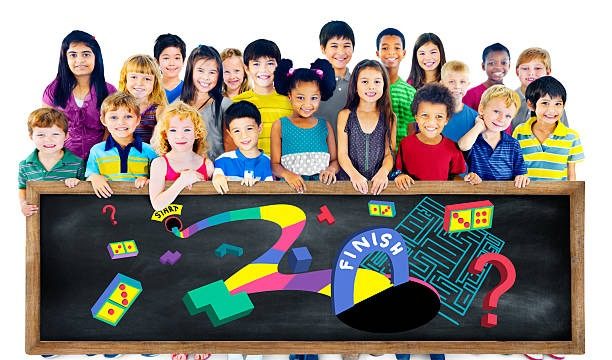
Gamified learning, an innovative approach that integrates game elements into educational experiences, is making waves across classrooms and homes alike.
This method not only captures attention but also fosters a sense of enjoyment and engagement that traditional learning sometimes struggles to achieve.
The essence of gamified learning lies in its ability to make education feel less like a chore and more like an adventure. Imagine a classroom where students are not merely passive recipients of information but active participants in their learning journey. Instead of memorizing facts for a test, learners are immersed in challenges that require critical thinking, creativity, and collaboration. This shift can be particularly powerful in a world where distractions are abundant, and maintaining focus is a constant challenge.
A small shift toward balance can be observed when we consider the elements that make games so captivating. Competition, reward systems, and narrative-driven experiences are just a few components that can be seamlessly integrated into educational content. For instance, students can earn points for completing assignments, unlock new levels by mastering subjects, or even participate in quests that require them to solve real-world problems. This not only motivates learners but also instills a sense of achievement and progress.
At its core, gamified learning caters to the diverse needs and preferences of students. Every learner is unique, and the traditional one-size-fits-all approach often leaves many feeling disengaged. By incorporating various game mechanics, educators can personalize learning experiences to resonate with individual interests and strengths. Whether it’s through interactive quizzes, collaborative projects, or simulation-based activities, students have the opportunity to choose their paths and explore subjects in ways that resonate with them.
Moreover, the social aspect of gaming cannot be overlooked. Many games encourage teamwork and communication, skills that are essential in today’s interconnected world. In a gamified learning environment, students often work together to solve problems or compete in friendly challenges, fostering collaboration and building relationships. This sense of community can enhance motivation and create a supportive atmosphere where learners feel comfortable taking risks and exploring new ideas.
As we delve deeper into the potential of gamified learning, it’s essential to recognize the role of technology in this evolution. With the rise of educational apps and online platforms, students can access a wealth of resources that make learning interactive and engaging. Virtual classrooms can mimic the thrill of gaming by incorporating elements like avatars, leaderboards, and immersive storylines. This not only makes learning more enjoyable but also prepares students for a future where digital literacy is paramount.
However, it’s crucial to strike a balance between gaming and genuine learning. While gamified elements can enhance motivation, they should not overshadow the educational content itself. The goal is to create a harmonious blend, where students are excited to learn while also grasping essential concepts and skills. Educators play a vital role in guiding this process, ensuring that the game mechanics serve as a means to reinforce learning rather than detract from it.
As parents and educators, fostering a love for learning in children is often a top priority. Gamified learning presents an opportunity to cultivate curiosity and enthusiasm in a way that feels natural and enjoyable. By embracing this approach, we can help students develop a lifelong passion for knowledge, encouraging them to explore, question, and innovate.
In the home environment, gamified learning can take on many forms. Parents can create playful learning experiences that integrate games into daily routines. Whether it’s turning a family trivia night into a fun learning session or using puzzles to teach math concepts, the possibilities are endless. This not only reinforces what children learn at school but also strengthens family bonds through shared experiences.
As we look to the future, the potential of gamified learning is boundless. It offers a refreshing perspective on education, one that prioritizes engagement, creativity, and collaboration. By embracing this approach, we can create environments where learning feels less like an obligation and more like an exciting journey.
In conclusion, gamified learning is more than just a trend; it’s a transformative approach that can reshape the way we educate. By incorporating game elements into learning experiences, we can inspire students to take charge of their education while fostering a love for knowledge. As we continue to explore this innovative landscape, let’s remember that the ultimate goal is to create a generation of learners who are not only knowledgeable but also passionate about their journey of discovery.