In a world where distractions abound, capturing the attention of young minds can be quite the challenge.
Traditional methods of learning often fall short, especially in a digital age where technology is at the forefront of our daily lives.
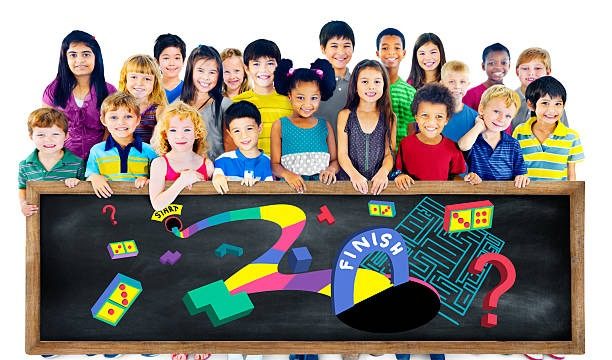
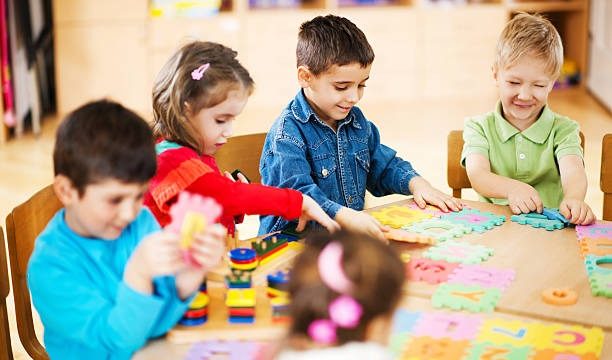
Enter gamified learning, a refreshing approach that intertwines play and education, creating an engaging tapestry that encourages curiosity and fosters a love for learning.
Gamified learning is not about turning education into a game; rather, it’s about incorporating game-like elements into the learning process. Imagine a classroom where students earn points for participation, unlock levels for mastering new concepts, or receive virtual badges for completing projects. This method encourages a sense of achievement and motivation, transforming mundane tasks into exciting challenges.
The allure of gamified learning lies in its ability to make education feel less like a chore and more like an adventure. When students are engaged in their learning environment, they are more likely to absorb information and retain it. This approach taps into intrinsic motivation, allowing learners to take ownership of their educational journey. It’s not just about grades; it’s about fostering a mindset that values growth and exploration.
Creating a gamified learning environment can be as simple as adding interactive elements to lessons. Teachers can incorporate quizzes that reward students for correct answers or create collaborative projects where groups compete to create the best presentation. The key is to find the right balance between fun and educational value. When students feel they are part of a game, they are more likely to invest their time and energy into the learning process.
A small shift toward balance can yield remarkable results. For instance, integrating storytelling with gamification allows students to immerse themselves in narratives that relate to their studies. Whether it’s exploring history through the eyes of a character or solving math problems to unlock the next chapter of a tale, storytelling can make abstract concepts more tangible. This method not only engages learners but also fosters creativity and critical thinking.
Moreover, gamified learning can cater to diverse learning styles. Visual learners might thrive in environments where they can see their progress represented through charts and graphics, while kinesthetic learners may prefer hands-on activities that allow them to physically engage with the material. By offering a variety of pathways to success, educators can ensure that every student feels included and motivated to participate.
The beauty of gamified learning extends beyond the classroom. It encourages social interaction, collaboration, and teamwork, essential skills in today’s interconnected world. Through group challenges and peer feedback, students learn to communicate effectively and work toward common goals. This camaraderie creates a supportive learning environment where students feel safe to express their ideas and take risks.
Parents can also play a role in this innovative approach to learning. By embracing gamified methods at home, families can create a seamless educational experience. Simple activities like family trivia games or educational board games can reinforce what children learn in school while also making it enjoyable. This not only strengthens family bonds but also emphasizes the importance of learning as a lifelong journey.
As technology continues to evolve, so too does the potential for gamified learning. With the rise of educational apps and online platforms, students can engage with content in dynamic and interactive ways. These tools often come equipped with analytics that help track progress, providing both students and teachers with valuable insights into areas of strength and opportunities for improvement.
While gamified learning is undeniably exciting, it’s essential to remember that the primary goal is to enhance the educational experience, not to overshadow it with distractions. Striking the right balance is crucial. The focus should remain on fostering a deep understanding of the material rather than merely accumulating points or rewards. Educators and parents alike should encourage reflection and discussion about what has been learned, reinforcing the connection between effort and achievement.
In a broader context, gamified learning reflects a shift in educational philosophy. It acknowledges that learning does not have to be a solitary endeavor; it can be a shared experience filled with joy and discovery. This approach aligns beautifully with the idea that education should nurture the whole child, supporting not just academic growth but emotional and social development as well.
As we navigate the complexities of modern education, embracing gamified learning can be a powerful tool in our arsenal. It offers a pathway to engage young minds in meaningful ways, transforming the educational landscape into one that is vibrant and inspiring. By weaving together the threads of play and learning, we can cultivate a generation of curious, creative, and confident individuals ready to tackle the challenges of tomorrow.
Ultimately, the essence of gamified learning is about igniting a spark of joy in the pursuit of knowledge. It invites students to be explorers in their own right, discovering new worlds of information and skills. As they embark on this journey, they not only gain knowledge but also develop resilience, adaptability, and a lifelong passion for learning. In this way, gamified learning is not just an educational technique; it is a celebration of human potential in all its forms.