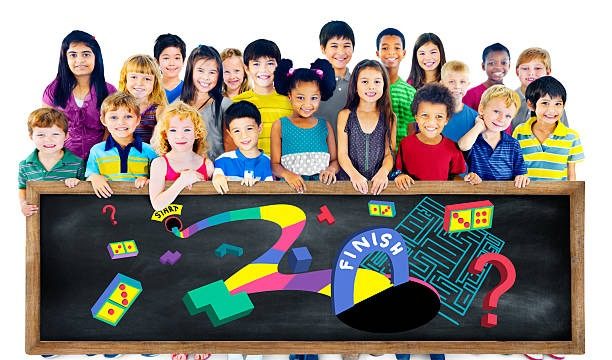
Learning can sometimes feel like a chore, a task that we must check off our to-do lists rather than an enjoyable journey.
Yet, what if we could transform that experience into something more engaging and delightful? Enter the world of gamification, a concept that brings the elements of game design into educational settings.
By infusing learning with fun, we can not only enhance our knowledge but also foster a deeper love for learning itself.
The essence of gamification lies in its ability to turn mundane tasks into exciting challenges. Imagine studying for an exam while racing against the clock or embarking on a quest to unlock new levels of understanding. This approach taps into our innate desire for achievement and competition, making the learning process feel less like a burden and more like an adventure.
At its core, gamification leverages familiar game mechanics—points, badges, and leaderboards—that encourage participation and engagement. These elements can be particularly effective in educational environments. For instance, when students earn points for completing assignments or receive badges for mastering a skill, they are more likely to stay motivated and invested in their learning journey. This transformation can lead to a more positive attitude toward education, ultimately paving the way for lifelong learning.
A small shift toward balance can make a significant difference. Consider how the mere act of turning a traditional lesson into a game can alter perceptions. Instead of passively absorbing information, learners become active participants. They are no longer just recipients of knowledge; they are adventurers on a quest for mastery. This shift not only enhances retention but also fosters critical thinking and problem-solving skills.
One of the beautiful aspects of gamification is its versatility. It can be applied across various subjects and age groups, making it an inclusive approach to learning. From young children exploring the solar system through interactive simulations to adults mastering new skills through online platforms, gamification knows no bounds. It adapts to the needs of the learner, creating a personalized experience that resonates with individual interests and learning styles.
Incorporating gamification into learning doesn’t have to be complicated. It can begin with simple changes, such as creating a friendly competition among peers or introducing quizzes that reward participation. Teachers and educators can design lesson plans that include storytelling elements, allowing learners to immerse themselves in narratives while acquiring knowledge. This immersive experience can help students relate to the material on a deeper level, making the content more memorable.
The rise of technology has further enhanced the potential of gamification in education. With the advent of apps and online platforms designed specifically for this purpose, learning has never been more accessible or enjoyable. These tools often include interactive elements that provide immediate feedback, helping learners to understand their strengths and areas for improvement. The instant gratification of seeing progress can be a powerful motivator, encouraging continued effort and engagement.
For those who may feel hesitant about gamification, it’s important to remember that the goal is not to trivialize learning but to enrich it. By introducing elements of play, we create a space where learners can explore, experiment, and even fail without the fear of judgment. This safe environment encourages creativity and innovation, allowing individuals to think outside the box and approach challenges with a fresh perspective.
As we navigate through life, the skills we acquire can often feel disconnected from one another. Gamification has the potential to bridge that gap, helping us see the interconnectedness of knowledge and experience. Whether it’s mastering a new language, understanding complex mathematics, or developing soft skills like teamwork and communication, gamified learning can weave these threads together, creating a more cohesive understanding of the world around us.
The benefits of gamification extend beyond just academic achievement. It also promotes social interaction and collaboration among learners. Many gamified experiences encourage teamwork, allowing individuals to work together to solve problems and achieve common goals. This collaborative spirit not only enhances the learning experience but also fosters relationships and community, essential components of our overall well-being.
As we embrace gamification, it’s essential to remain mindful of the balance between fun and focus. While the excitement of gaming can enhance engagement, the ultimate aim is to cultivate a love for learning that endures beyond the game. This means recognizing when to step back from the game mechanics and delve into deeper discussions and reflections.
In a world where distractions abound, finding joy in learning can be a challenge. Gamification offers a refreshing perspective, reminding us that learning doesn’t have to be a solitary or tedious endeavor. It can be a vibrant, dynamic process that brings people together, ignites curiosity, and inspires growth.
In conclusion, learning can indeed be fun with the right approach. By embracing gamification, we can transform our educational experiences into engaging adventures that resonate with our passions and interests. As we continue to explore new ways to learn and grow, let us remember the power of play and its ability to enrich our lives. Whether we’re teaching, learning, or simply seeking knowledge for ourselves, let’s make the journey enjoyable, rewarding, and above all, fun.