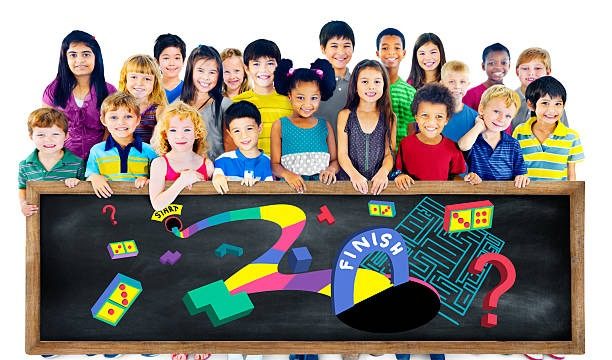
In a world where technology and education are increasingly intertwined, the concept of gamification has emerged as a powerful tool for enhancing learning experiences.
Gamification, the integration of game-like elements into non-game contexts, offers a playful approach to education that can captivate learners of all ages.
This method not only makes learning more enjoyable but also fosters engagement and motivation, creating a rich environment for personal growth and development.
The essence of playful education lies in its ability to transform traditional learning into an experience that feels less like a chore and more like an adventure. Imagine a classroom where students are not merely passive recipients of information but active participants in their educational journey. By incorporating elements such as challenges, rewards, and storytelling, educators can create a dynamic atmosphere that encourages exploration and creativity.
A gentle shift toward engagement can be seen in various educational settings, from primary schools to corporate training programs. For instance, consider how a simple point system can motivate learners to complete tasks or participate in discussions. When students earn points for their efforts, they are more likely to stay engaged and strive for improvement. This friendly competition fosters not only individual growth but also a sense of community among peers, as they collaborate and support one another in their learning endeavors.
One of the most appealing aspects of gamification is its versatility. It can be tailored to fit a wide range of subjects and learning styles. Whether it’s through interactive quizzes, educational games, or immersive storytelling, the possibilities are endless. For example, a history lesson can be transformed into a quest where students must solve puzzles related to historical events, making the information more relatable and memorable. This approach not only deepens understanding but also helps students develop critical thinking skills as they navigate challenges and make decisions.
Creating a playful learning environment also involves understanding the needs and motivations of learners. This is where the role of educators becomes crucial. By observing and listening to their students, teachers can identify what excites and inspires them. This insight allows for the design of experiences that resonate on a personal level, making the learning process feel relevant and meaningful. When students see the connection between their interests and the material being taught, they are more likely to embrace the journey with enthusiasm.
As we delve deeper into the benefits of gamification, it becomes clear that the impact extends beyond academic achievements. It nurtures essential life skills such as resilience, collaboration, and adaptability. In a gamified environment, failure is not viewed as a setback but rather as a stepping stone toward success. Students learn to take risks, learn from their mistakes, and persist in the face of challenges. These lessons are invaluable, equipping them with the tools they need to navigate the complexities of life beyond the classroom.
The integration of gamification in education also encourages a culture of lifelong learning. When individuals experience the joy of learning through play, they are more likely to seek out new knowledge and skills throughout their lives. This mindset fosters curiosity and a desire to explore the world around them, leading to personal and professional growth. In a rapidly changing society, the ability to adapt and learn new things is more important than ever, and gamification provides a pathway to cultivate this essential trait.
While the benefits of playful education are undeniable, it is essential to strike a balance in its implementation. Overemphasizing the game-like aspects can sometimes overshadow the learning objectives. Therefore, it’s vital to ensure that the core content remains at the forefront while using gamification as a complementary tool. This delicate balance allows for a rich educational experience that maintains focus on learning while still providing the joy and excitement that comes with play.
In exploring the world of gamification, it’s also important to recognize the role of technology. Digital tools and platforms have made it easier than ever to incorporate gamified elements into education. Online learning environments can host interactive simulations, virtual reality experiences, and collaborative projects that transcend geographical boundaries. This accessibility opens up new avenues for learners and educators alike, fostering a global community of knowledge seekers.
As we reflect on the journey of playful education through gamification, it’s clear that this approach has the potential to redefine the way we view learning. By embracing the principles of play, we can create environments that not only educate but also inspire. In doing so, we nurture a generation of learners who are not only knowledgeable but also passionate about their pursuits.
Ultimately, the goal of education is to empower individuals to reach their full potential. By integrating gamification into the learning process, we can cultivate a sense of agency and ownership over one’s educational journey. This playful approach invites individuals to explore, experiment, and engage with the world around them, leading to a richer, more fulfilling life experience.
In conclusion, the playful nature of gamification offers a refreshing perspective on education. By fostering engagement, encouraging collaboration, and nurturing essential life skills, this approach paves the way for a brighter future. As we continue to explore the intersections of play and learning, we can look forward to an educational landscape that is not only effective but also filled with joy and curiosity. It’s a delightful journey worth embarking on, where each step taken is a new opportunity for discovery and growth.