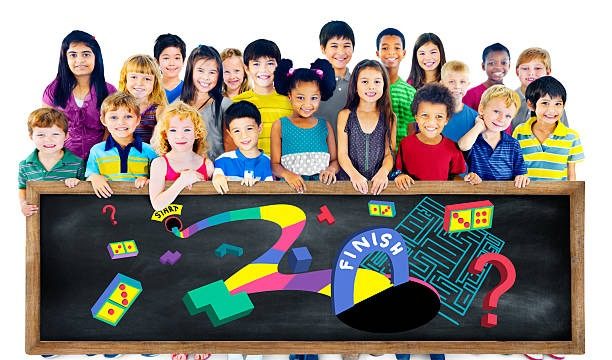
In today’s fast-paced world, the way we approach education is evolving.
Traditional methods of learning, while still essential, sometimes struggle to engage students in a meaningful way.
Enter gamified learning, a fresh and interactive approach that is transforming classrooms and study spaces everywhere.
This method introduces elements of games into the educational process, creating an environment where learning feels less like a chore and more like an adventure.
The essence of gamified learning lies in its ability to harness the innate human desire for play. When we think about games, we often envision excitement, challenge, and a sense of achievement. These are the very elements that can be woven into academic settings to inspire students. By incorporating game-like features—such as point scoring, leaderboards, and challenges—educators can create a dynamic atmosphere that motivates and engages learners.
One of the most fascinating aspects of gamified learning is its capacity to cater to various learning styles. Just as every student is unique, their preferred method of absorbing information can differ widely. Some may thrive in a collaborative setting, while others might prefer to work independently. Gamified learning allows for this diversity, offering a range of activities that can appeal to visual, auditory, and kinesthetic learners alike. For instance, a history lesson could transform into a role-playing game where students take on the personas of historical figures, fostering a deeper connection to the material.
Moreover, gamified learning encourages a growth mindset. In traditional academic settings, the fear of failure can often deter students from fully engaging with the material. However, when learning is framed as a game, setbacks become part of the journey rather than a source of distress. Students are encouraged to try again, to learn from their mistakes, and to appreciate the process of improvement. This shift in perspective can be incredibly liberating, allowing students to embrace challenges with open arms.
Incorporating game mechanics into learning also creates opportunities for collaboration and social interaction. Many games are designed to be played with others, promoting teamwork and communication. In a classroom setting, this can lead to enhanced relationships among peers and a more supportive learning environment. Students can work together to solve problems, share knowledge, and celebrate each other’s successes. This sense of community is vital, as it not only enriches the learning experience but also cultivates essential social skills that extend beyond the classroom.
As technology becomes increasingly integrated into our lives, gamified learning often leverages digital platforms to enhance the experience. Educational apps and online games can provide interactive lessons that adapt to individual progress, making learning feel personalized and tailored. This is particularly valuable in a world where students may have varying degrees of access to resources. Gamified platforms can bridge gaps, ensuring that all students have the opportunity to engage with the material in a way that resonates with them.
Another significant advantage of gamified learning is its ability to promote self-directed learning. When students are given the freedom to choose their paths—whether that’s selecting which game to play or deciding how to tackle a challenge—they develop a sense of ownership over their education. This autonomy fosters intrinsic motivation, encouraging learners to pursue knowledge for the sake of curiosity rather than just grades. As students become more invested in their learning journeys, their academic results often reflect this newfound enthusiasm.
The impact of gamified learning extends beyond immediate academic performance. By fostering skills such as problem-solving, critical thinking, and adaptability, students are better equipped to navigate the complexities of the modern world. The challenges presented in games often mirror real-life scenarios, encouraging learners to think creatively and develop solutions. These are skills that will serve them well, no matter where their paths may lead.
Of course, implementing gamified learning requires thoughtful consideration and planning. It’s essential to strike a balance between fun and educational value. While the allure of games can be captivating, the underlying objective should always be to enhance understanding and retention of the material. Educators must carefully design activities that align with learning goals, ensuring that the gaming elements support rather than overshadow the educational content.
For parents and guardians, embracing this approach can be equally beneficial. Encouraging a playful attitude towards learning at home can reinforce what children experience in school. Simple activities—like educational board games or interactive online quizzes—can make studying feel less daunting and more enjoyable. By creating a positive learning environment, families can help nurture a love for knowledge that lasts a lifetime.
As we move forward in this ever-changing educational landscape, it’s clear that gamified learning is not just a passing trend. It offers a refreshing perspective on how we engage with knowledge, fostering a sense of joy and curiosity. Whether in a classroom or at home, integrating game-like elements into the learning process can lead to better academic results and a deeper appreciation for the journey of education.
In conclusion, gamified learning is a powerful tool that resonates with the way we naturally interact with the world around us. By infusing elements of play into education, we can create a richer, more engaging experience that not only enhances academic performance but also nurtures essential life skills. As we embrace this innovative approach, we are not just preparing students for tests; we are preparing them for life.