In a world that feels increasingly connected yet paradoxically distant, the rise of digital classrooms has emerged as a beacon of hope for students seeking community and collaboration.
The traditional classroom, once the cornerstone of education, has transformed into a vibrant online space where learning transcends geographical boundaries.
This evolution is more than just a technological shift; it’s a reimagining of how we connect, engage, and grow together as a learning community.
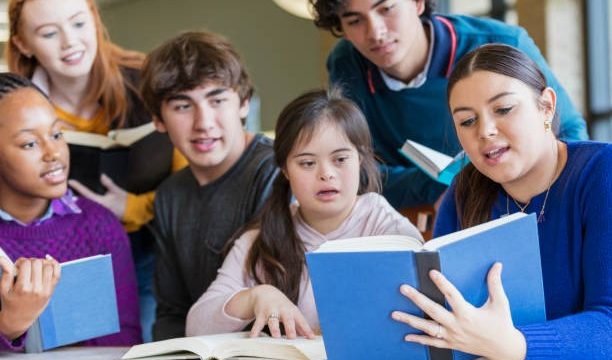
The essence of education has always been about connection. It thrives on relationships—between teachers and students, among peers, and even with the material being studied. Digital classrooms offer a unique opportunity to cultivate these relationships in new and exciting ways. Through video calls, interactive platforms, and collaborative projects, students can share their thoughts and ideas in real-time, creating a rich tapestry of perspectives that can enhance the learning experience.
In this digital age, students can now collaborate with their peers from around the globe. Imagine a group of students in California working on a project with their counterparts in Kenya, exchanging insights and cultural perspectives that would have been unimaginable just a few decades ago. This global interaction not only broadens their understanding of the world but also fosters empathy and respect for diverse viewpoints. Such experiences can be transformative, encouraging students to think critically about their own beliefs while appreciating the richness of others.
As students navigate these digital corridors, they often discover that the barriers of isolation can be dismantled with the click of a button. Online forums and discussion boards create spaces where quieter students may feel more comfortable expressing their thoughts. The anonymity afforded by these platforms can empower individuals to share ideas without the fear of judgment. This newfound confidence can lead to deeper discussions and a more inclusive classroom environment, where every voice is valued.
A small shift toward balance is also evident in the flexibility that digital classrooms offer. Students can learn at their own pace, revisiting lectures and discussions as needed. This self-directed approach not only cultivates a sense of responsibility but also encourages a deeper engagement with the material. When students have the freedom to explore topics that resonate with them, they are more likely to develop a passion for learning that extends beyond the confines of the classroom.
Moreover, digital classrooms often incorporate a variety of multimedia resources that cater to different learning styles. From videos and podcasts to interactive simulations, these tools can make learning more accessible and enjoyable. For visual learners, a well-crafted video can illuminate complex concepts in ways that a textbook cannot. Kinesthetic learners may thrive in environments that allow them to manipulate digital tools and engage in hands-on projects. By embracing diverse methods of instruction, digital classrooms can nurture a love of learning that is as unique as each student.
Of course, the transition to digital learning is not without its challenges. The absence of face-to-face interaction can sometimes lead to feelings of disconnection. However, educators are becoming increasingly adept at bridging this gap. Virtual office hours, online study groups, and interactive social events help to recreate the camaraderie that is often found in traditional classrooms. These efforts remind students that they are not alone in their academic journeys, fostering a sense of belonging that is essential for their emotional well-being.
As we navigate this digital landscape, it is important to acknowledge the role of technology in shaping our educational experiences. While it presents numerous opportunities for connection, it also requires mindful use. Encouraging students to take breaks from screens and engage in offline activities can promote a healthy balance between digital and real-world interactions. This awareness can help cultivate resilience and adaptability, essential skills for navigating the complexities of the modern world.
In the heart of every digital classroom lies the potential for innovation and creativity. Educators are discovering new ways to engage students through gamification, project-based learning, and collaborative tools. These methods not only make learning more enjoyable but also encourage students to develop critical thinking and problem-solving skills. When students are given the freedom to explore their interests within a supportive framework, they are more likely to become lifelong learners, eager to seek knowledge beyond their formal education.
As we reflect on the impact of digital classrooms, it’s clear that they are reshaping the landscape of education. They provide a platform for students to connect, collaborate, and grow in ways that transcend traditional boundaries. In this ever-evolving environment, the emphasis on community, inclusivity, and personalized learning paves the way for a brighter future.
Ultimately, the journey of learning is deeply personal, and digital classrooms are redefining how we experience it. As students forge connections with their peers and educators from all walks of life, they are not only gaining knowledge but also building a sense of community that will support them throughout their lives. In our quest for connection, we find that learning is not just about acquiring information; it’s about creating relationships, fostering understanding, and nurturing the human spirit.
In this digital era, let us celebrate the power of technology to bring us closer together, to inspire curiosity, and to cultivate a love for learning that knows no bounds. As we continue to explore the possibilities of digital classrooms, we can look forward to a future where education is not just a destination but a lifelong journey filled with connection and discovery.